
 CA
 NZ
 UK
 US
 IND

 AU

 Share
 X (Formerly Twitter)
 Whatsapp
 Facebook
 LinkedIn
 Telegram
 Email This Article
 Copy Link
 Summarize with AI
 Chat GPT
 Perplexity
Highlights
- Nickel Industries Limited reported US$135.6 million in adjusted EBITDA, reflecting a sharp operational and Margin rebound across its integrated asset base.
- Bell Potter Securities issued a Buy rating with a A$1.45 target price, citing improved cash generation and scale benefits across Mining and processing segments.
- Mining operations swung strongly positive with US$29 million EBITDA after a prior loss, supported by a 222% surge in ore sales volumes and a 61% reduction in unit operating costs.
Shares of Nickel Industries Limited (ASX:NIC) traded at A$1.02 on 18 May 2026, reflecting a modest daily decline of 1.92% despite the release of a materially stronger quarterly operational and financial update. Over the past 12 months, the stock has risen approximately 52%, tracking broader cyclical recovery trends in nickel markets and improving operational efficiency across its Indonesian asset base.
The market reaction highlighted a familiar pattern in bulk Commodity equities, where Earnings momentum does not always translate into immediate price appreciation. Investors appeared to balance the company’s robust EBITDA growth against lingering uncertainty in global nickel pricing cycles and evolving Supply dynamics in Indonesia and China.
Trading behaviour also reflected positioning ahead of institutional research updates, including Bell Potter Securities’ initiation of coverage with a Buy rating and a A$1.45 price target. While broker optimism provided a supportive backdrop, the muted share response suggested that Market Participants are increasingly focused on sustainability of margins rather than headline profitability spikes.
Operational Performance Across Integrated Nickel Assets
The Quarterly Report from Nickel Industries Limited highlighted a complex but improving operational profile across its three core segments: Rotary Kiln Electric Furnace (RKEF), High-Pressure Acid Leach (HPAL), and mining operations.
RKEF operations, which remain a core earnings contributor, recorded production of 30,264 tonnes of nickel, slightly down 4% from the prior quarter. Despite this marginal decline in output, adjusted EBITDA surged to US$85.8 million, representing a 145% increase. This sharp improvement was driven primarily by stronger realised margins, with EBITDA per tonne more than doubling to US$2,842.
HPAL operations delivered stable production at 2,153 attributable nickel tonnes, but saw a more moderate increase in EBITDA to US$20.7 million. Although cash costs rose by 22%, the segment maintained positive margin expansion supported by improved pricing dynamics and operational stability at the plant level.
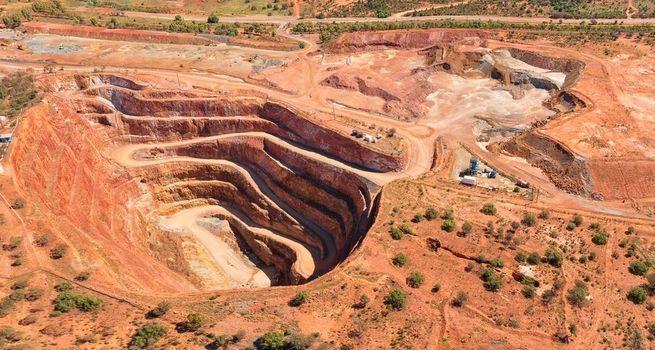
The mining division delivered the most significant operational turnaround. Ore production surged 138% to nearly 4 million wet metric tonnes, while ore sales increased more than threefold. This scale expansion translated into a swing from a US$14.9 million EBITDA loss to a US$29 million profit, underscoring improved cost absorption and operational Leverage across the mining portfolio.
Financial Performance and EBITDA Expansion
The standout feature of the quarter for Nickel Industries Limited was the dramatic improvement in adjusted EBITDA, which reached US$135.6 million across operations. This result reflected both stronger realised margins in processing segments and a structural improvement in mining profitability.
RKEF remained the dominant earnings contributor, benefiting from higher per-tonne margins despite slightly lower production volumes. HPAL operations added incremental stability, while mining operations transitioned from a cost burden to a meaningful contributor to group earnings.
The divergence between cost and profitability trends was particularly evident in mining unit Economics, where operating costs fell by 61% per wet metric tonne. This reduction was largely driven by scale effects, improved logistics efficiency, and higher utilisation rates across the Hengjaya Mine.
Expenditure during the quarter totalled US$56.4 million for mining development and production activities, with a relatively small portion allocated to Capital Expenditure. Exploration spending remained focused on Sampala and Siduarsi projects, though these activities represented a minor proportion of total cash outflows.
Strategic Expansion and Resource Security
A key development during the quarter was the receipt of a 14.3 million tonne RKAB licence at the Hengjaya Mine, representing a 60% increase on the prior year allocation. This expansion in permitted output provides an important underpinning for medium-term production stability across Nickel Industries Limited’s integrated supply chain.
The company also increased its stake in the ENC project by 2% for US$46 million, reinforcing its strategic positioning in high-pressure acid leach (HPAL) capacity expansion. Subsequent to the quarter end, Nickel Industries secured US$450 million in Unsecured Loan facilities, significantly strengthening Liquidity flexibility for ongoing development initiatives.
HPAL pre-commissioning activities at ENC progressed during the period, with major infrastructure systems entering late-stage readiness. This development is central to the company’s long-term strategy of increasing exposure to higher-value nickel products, which typically command different margin structures compared to RKEF output.
The combination of expanded mining licences, increased project ownership, and strengthened financing arrangements indicates a deliberate effort to integrate Upstream resource security with Downstream processing capacity.
Capital Structure and Funding Position
The financial profile of Nickel Industries Limited continues to evolve in line with its vertically integrated strategy. The company’s recent US$450 million unsecured loan Facility provides additional Balance Sheet flexibility, particularly in the context of ongoing capital deployment across mining and HPAL assets.
During the quarter, capital allocation was primarily directed toward sustaining production, expanding mining output, and supporting pre-commissioning activities at ENC. The relatively modest capital expenditure ratio compared to Operating Cash Flow suggests a transitional phase where existing assets are generating sufficient internal funding to support near-term growth initiatives.
Related party expenditures remained limited at US$0.5 million, reflecting ongoing reliance on established service structures within the broader group. This includes administrative and operational support functions embedded across Australian and Indonesian entities.
Conclusion
The quarterly performance of Nickel Industries Limited reflects a significant operational and financial inflection point, marked by strong EBITDA expansion, mining recovery, and continued integration across its Indonesian asset base. The transition from mining losses to profitability, combined with robust RKEF margins, underscores the strength of its vertically integrated model in a recovering but still cyclical nickel market.
Despite this progress and the supportive stance from Bell Potter Securities, the share price has remained relatively stable, indicating that market participants are weighing near-term earnings strength against broader commodity cycle uncertainty and capital intensity considerations. The coming quarters are likely to focus on the sustainability of mining cost reductions, ramp-up progress at HPAL operations, and the effectiveness of newly secured financing in supporting Long-term Growth ambitions.


 Nov 12, 2026





 Please wait processing your request...