
 AU
AU CA
CA NZ
NZ UK
UK US
US IND
IND

 Share
Share
 X (Formerly Twitter)
 Whatsapp
 Facebook
 LinkedIn
 Telegram
 Email This Article
 Copy Link
 Summarize with AI
 Chat GPT
 Perplexity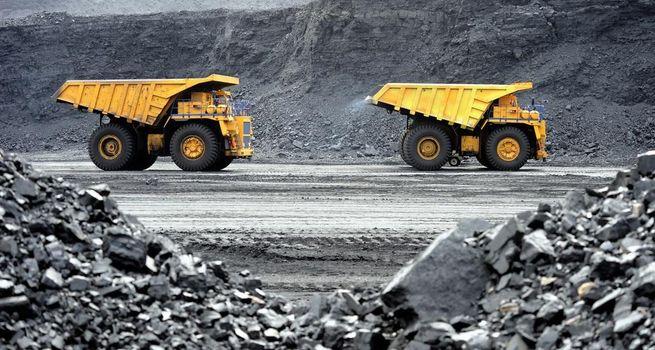
Key Highlights
- Production Restart: First coal sales since May 2025 with 7,500-tonne shipment to PT Krakatau Posco and trial shipments secured
- 2026 Target: ~420,000 tonnes of Low Volatile Hard Coking Coal (LVHCC) production planned, marking significant operational scaling
- Mining Infrastructure: Four 50-tonne excavator fleets deployed with 150-person team under new 5-year contractor agreement
- Infrastructure Completion: Batu Tuhup Jetty operational and haul road upgrade underway via PT Petrosea
- Growth Catalysts: Environmental permit secured, exploration commences late Q2 2026, drill-and-blast equipment secured for operations
Cokal Limited (ASX:CKA) has reached a critical juncture in its operational turnaround. The ASX-listed metallurgical coal producer has resumed coal sales following a production halt, signaling renewed confidence in its Indonesian mining assets. Is CKA stock a good investment for those seeking exposure to metallurgical coal recovery? Understanding the company’s restart trajectory, production targets, and market positioning is essential for evaluating Cokal growth prospects.
The March 2026 half-year report marks a tangible milestone. After months of regulatory navigation and infrastructure development, Cokal has demonstrated commercial viability through actual coal sales. This shift from development phase to active production carries implications for both operational execution and shareholder returns.
About the Company
Cokal Limited operates as an Australian-listed metallurgical coal producer with strategic interests across four projects in Central Kalimantan, Indonesia. The flagship Bumi Barito Mineral (BBM) Mine represents the company’s primary operational focus and revenue driver. Domenic Martino, Karan Bangur, and David (Allen) Delbridge provide board oversight of the company’s strategic direction.
The company’s operational model relies on partnership arrangements with Indonesian contractors and end-customers. This structure has proven effective in navigating regulatory requirements while accessing global coking coal markets. Cokal’s focus on Low Volatile Hard Coking Coal positions it within a premium segment valued for steel production applications.
Why the Stock Is Moving
Cokal CKA stock analysis reveals multiple catalysts driving recent activity. The first coal shipment to PT Krakatau Posco and trial sales to PT Dexin Steel and PT Detian Coking prove commercial demand exists at current production levels. These aren’t speculative contracts—they represent executed transactions demonstrating market acceptance.
The appointment of PT Harapan Mitra Lestari under a structured 5-year mining services agreement signals stability in operational execution. When CKA share price movements occur, they typically correlate with production announcements and off-take agreement confirmations. The operational restart from a halted position naturally attracts investor interest seeking commodity exposure with turnaround characteristics.
Infrastructure completions are equally significant. The Batu Tuhup Jetty becoming operational removes previous logistical constraints. PT Petrosea’s appointment for haul road infrastructure suggests professional-grade capital deployment and timeline discipline.
Industry Trends
The global metallurgical coal market has evolved substantially since Cokal’s initial development. Steel production remains fundamental to construction, manufacturing, and infrastructure globally, anchoring steady demand for premium coking coal. Low Volatile Hard Coking Coal specifically commands price premiums due to superior performance characteristics in blast furnace applications.
Indonesian coal production faces growing environmental scrutiny and regulatory compliance requirements. Producers navigating these regulations successfully gain competitive advantages through reduced supply competition. Cokal’s achievement of environmental permitting demonstrates alignment with emerging standards that may create barriers for less-prepared competitors.
Asian steelmakers represent significant end-market demand for LVHCC. Indonesian geographic positioning provides cost advantages in serving these critical customers. The appointment of POSCO-affiliated buyers suggests Cokal has accessed established, creditworthy demand channels.
Financial Performance
The half-year report shows operational metrics rather than complete financial results at this stage of recovery. Production volumes—7,500 tonnes in the initial shipment—indicate scaling from restart levels. The 2026 production target of approximately 420,000 tonnes represents a 56-fold increase, reflecting planned capacity utilization and operational efficiency gains.
Cost structures remain critical for Cokal’s profitability thesis. With four 50-tonne excavator fleets deployed and 150 personnel engaged, the company is building fixed cost foundations for higher volumes. Achieving the 420,000-tonne target requires effective utilization of this infrastructure.
Capital deployment for infrastructure—jetty operations, haul road upgrade, drill-and-blast equipment—suggests disciplined investment in production enablers. These capital expenditures create manufacturing capacity that should generate margin improvement as volumes increase.
Investment Risks
Execution risk remains paramount. Scaling from 7,500 tonnes to 420,000 tonnes requires operational discipline and contractor performance reliability. Mining operations frequently encounter geological surprises, equipment delays, or weather disruptions that impact timelines.
Commodity price exposure creates inherent volatility. Metallurgical coal prices fluctuate based on global steel demand, Chinese production patterns, and supply-side disruptions. Cokal’s thesis depends on sustainable pricing for LVHCC that covers operating costs and provides returns.
Regulatory and political risk in Indonesia cannot be dismissed. Changes to environmental standards, taxation, export policies, or operational permits could materially impact Cokal operations. The company’s success depends on stable regulatory environments in Central Kalimantan.
Market concentration risk exists through customer relationships. While trial shipments to multiple buyers provide diversity, sustained profitability depends on maintaining off-take agreements with creditworthy, long-term customers at acceptable prices.
Future Growth Drivers
Cokal growth prospects hinge on achieving the 420,000-tonne annual production target and demonstrating operational consistency. Once this baseline is established, several expansion opportunities emerge. Exploration activities commencing late Q2 2026 may identify additional mineral resources extending project life and production capacity.
The four-project portfolio provides geographic diversification and future expansion potential beyond current BBM operations. As infrastructure and operational expertise develop, deploying these assets could compound growth opportunities.
Strategic positioning in Indonesian coal markets during a period of global energy transition creates unique advantages. Producers meeting modern environmental and operational standards may capture market share from less-compliant competitors facing regulatory pressures.
Analyst Outlook and Market Sentiment
Market sentiment toward CKA stock has stabilized following the restart announcement. Metallurgical coal focused exploration and production companies trading on growth narratives require demonstrable execution. Cokal’s initial shipments provide this proof-of-concept necessary for institutional investor confidence.
The appointment of professional mining contractors and establishment of operational infrastructure indicates professional-grade project management. This operational maturity resonates with investors seeking commodity producers managed with disciplined capital allocation practices.
Analyst attention typically focuses on quarterly production figures, customer off-take confirmations, and cost metrics once operations scale. The CKA share price outlook depends significantly on whether the company achieves its 2026 targets and demonstrates path to profitability.
Long-Term Investment Perspective
From a long-term horizon, Cokal represents a metallurgical coal play with turnaround characteristics during a normalized demand cycle. Investors evaluating whether CKA is a good investment should consider a multi-year timeline for value realization. The company is transitioning from project development to operational production—a period naturally requiring reinvestment of earnings into infrastructure and working capital.
The strategic value of metallurgical coal assets continues despite energy transition discussions. Steel production remains fundamental to civilization and infrastructure, ensuring coking coal demand persists. Cokal’s premium LVHCC positioning provides insulation from lower-quality coal market pressures.
For investors seeking exposure to commodity recovery plays with professional management and demonstrated market demand, Cokal represents a potential holding. Long-term returns depend on the company sustaining operational performance, securing stable off-take relationships, and navigating commodity cycles while maintaining cost discipline.
Conclusion
Cokal Limited stock analysis reveals a metallurgical coal producer transitioning from development to operational production with meaningful catalysts ahead. The first coal shipments since May 2025 validate market demand and operational feasibility. For investors evaluating Cokal growth prospects, the 2026 production target of 420,000 tonnes represents a critical milestone demonstrating execution capability.
Is CKA a good investment depends on individual risk tolerances and investment horizons. The company offers commodity exposure with turnaround characteristics, professional infrastructure development, and established customer relationships. Risks include execution challenges in scaling operations, commodity price volatility, and Indonesian regulatory dynamics.
The CKA share price outlook depends on the company’s ability to achieve production targets, sustain stable off-take relationships, and demonstrate path to profitability. Long-term value creation for investors requires consistent operational performance through commodity cycles while maintaining disciplined capital allocation and cost management practices.
Questions Investors Are Asking About Cokal
- Can Cokal achieve its 420,000-tonne 2026 production target? The company has the infrastructure deployed and contractor agreements in place. Success depends on operational execution, equipment reliability, and absence of major disruptions. Market observers should monitor quarterly production reports to assess progress toward this target.
- What profit margins does Cokal expect from coal sales? The half-year report doesn’t disclose unit economics explicitly. Investors should track cost guidance and benchmark against industry metrics. Indonesian operations generally offer cost advantages over developed-market competitors.
- Are off-take agreements long-term or spot sales? Current shipments appear to include both committed sales (POSCO relationship) and trial volumes. Clarity on contract duration and pricing mechanisms will determine revenue stability.
- How does environmental compliance affect Cokal’s cost structure? The environmental permit achievement suggests compliance is achievable within budget. Long-term advantages accrue to companies meeting standards as regulatory regimes tighten.
- What is Cokal’s capital intensity for scaling operations? The company’s approach of appointing mining services contractors reduces capital intensity compared to owned equipment models. However, jetty upgrades and infrastructure require continued investment.
- How concentrated is customer dependency? The company mentions multiple off-take partners, suggesting some diversification. However, POSCO-affiliated buyers represent a significant concentration. More detailed customer breakdown would help assess concentration risk.
- What commodity price assumptions underpin Cokal’s projections? The company hasn’t disclosed price assumptions explicitly. Investors should model scenarios against current LVHCC spot pricing and historical ranges.
- How does Cokal compare operationally to regional competitors? Cokal’s Indonesian positioning and LVHCC focus offer niche advantages. Comparative cost and quality metrics against other metallurgical coal producers would provide useful context.
- Does Cokal have refinancing or debt obligations that could constrain growth? The half-year report should clarify debt levels and maturity profiles. Capital-efficient growth requires sustainable financing structures.
- What exploration results might catalyze further CKA share price appreciation? Late Q2 2026 exploration commencement could generate positive assays, extending resource estimates and supporting long-term production growth narratives.

 Mar 16, 2026


 Please wait processing your request...