
 AU
AU CA
CA NZ
NZ UK
UK US
US IND
IND

 Share
Share
 X (Formerly Twitter)
 Whatsapp
 Facebook
 LinkedIn
 Telegram
 Email This Article
 Copy Link
 Summarize with AI
 Chat GPT
 Perplexity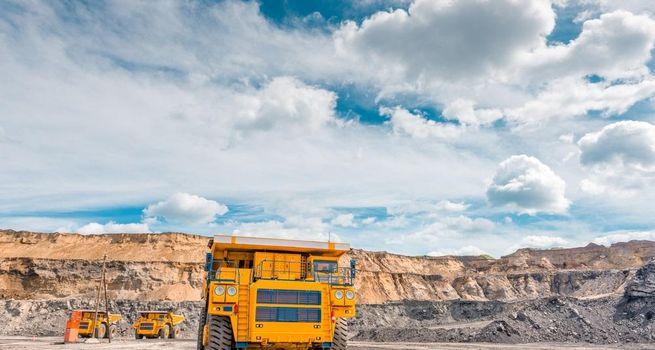

1. Company Overview
BHP Group Limited (ASX:BHP) is the world's largest mining company by market capitalisation and one of Australia's most iconic corporations. Headquartered in Melbourne, BHP operates globally across a diversified portfolio of mining assets producing iron ore, copper, nickel, metallurgical coal, and potash. The company has been a cornerstone of the Australian economy for over a century.
2. Business Model and Operations
BHP's operations are structured around key commodity divisions. Iron Ore, primarily based in Western Australia's Pilbara region, is the largest earnings contributor through the joint venture with Rio Tinto at the Samarco dam disaster. Copper operations span Chile's Escondida mine, Olympic Dam in South Australia, and interests in other major copper projects. The Coal division focuses on metallurgical coal from Queensland. BHP's potash project in Canada, Jansen, represents a major long-term growth investment.
3. Recent Market Performance
As of 9 March 2026, BHP Group is trading at $49.45, representing a daily decline of 6.36% with a change of $-3.36.
4. Sector Analysis and Competitive Positioning
BHP Group operates within the Basic Materials sector of the S&P/ASX 50 index. The Basic Materials sector is the second-largest in the ASX 50 at 23.3% of the index, reflecting Australia's resource-rich economy. This sector has been driven by global commodity demand, particularly from China, along with the structural shift toward electrification and decarbonisation which has elevated demand for copper, lithium, and rare earth materials.
5. Outlook and Investment Considerations
BHP has surged 27.81% over the past year, driven by elevated commodity prices, particularly iron ore and copper. The global push toward decarbonisation has enhanced the investment case for copper, which is essential for electrification and renewable energy infrastructure. BHP's strategic pivot toward future-facing commodities through copper acquisitions and the Jansen potash project demonstrates forward-thinking capital allocation. Key risks include Chinese economic slowdown affecting iron ore demand, commodity price volatility, and operational challenges in ageing mine sites.
6. Risk Assessment
Investors considering BHP Group should be aware of several key risk factors that could impact future performance and returns. Macroeconomic risks include the potential for a global economic slowdown, particularly given the interconnected nature of Australian markets with global trade and commodity cycles. The ongoing recalibration of monetary policy by the Reserve Bank of Australia introduces interest rate risk that affects borrowing costs, asset valuations, and consumer spending patterns across the economy.
Company-specific risks include operational execution challenges, competitive pressures from both domestic and international players, and the need for continued investment in technology, infrastructure, and human capital to maintain competitive advantages. Regulatory and compliance risks are an ever-present consideration, particularly as government policy evolves in areas such as environmental standards, taxation, foreign investment rules, and sector-specific regulation. Currency risk is also relevant given Australia's trade exposure and the impact of AUD movements on companies with international operations or commodity-linked revenues.
Additionally, environmental, social, and governance considerations are increasingly material for investors evaluating BHP Group. Climate-related transition risks, social licence to operate, workforce dynamics, and board governance quality all factor into the comprehensive risk assessment. The company's approach to these ESG factors will likely influence its long-term sustainability and attractiveness to a growing cohort of responsible investors. Geopolitical tensions, supply chain vulnerabilities, and cybersecurity threats represent further risks in the current operating environment.
7. Conclusion
BHP Group (ASX: BHP) represents a solid investment proposition within the S&P/ASX 50 index. As always, diversification, thorough due diligence, and alignment with individual risk tolerance and investment objectives remain paramount considerations.


 Mar 10, 2026

 Please wait processing your request...