
 AU
AU CA
CA NZ
NZ UK
UK US
US IND
IND

 Share
Share
 X (Formerly Twitter)
 Whatsapp
 Facebook
 LinkedIn
 Telegram
 Email This Article
 Copy Link
 Summarize with AI
 Chat GPT
 Perplexity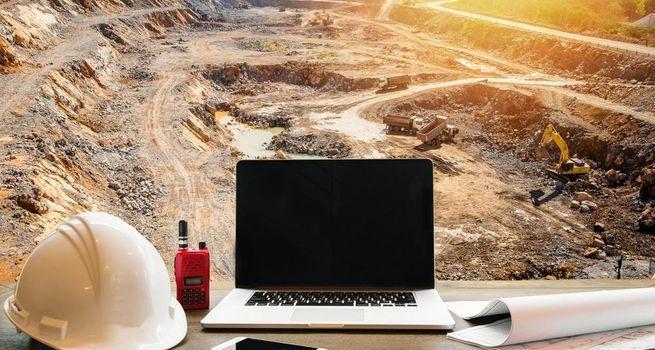
Sandfire Resources Limited (ASX:SFR), one of Australia's leading diversified mining companies, experienced a significant decline on March 6, 2026, falling 7.94% to trade at $17.40 per share. The sharp sell-off places SFR among the biggest ASX decliners for the day, reflecting broader market pressures affecting the copper and base metals sector. This substantial single-day decline has prompted investors to reassess their positions and consider the fundamental drivers behind the weakness.
The selloff in Sandfire Resources appears connected to a broader sector-wide decline in copper and base metals pricing, which has ripple effects throughout the mining industry. For investors holding SFR stock or considering entry positions, understanding the catalysts behind today's decline and the company's medium to long-term outlook is crucial for informed decision-making.
Sandfire Resources maintains a portfolio of world-class mining assets, including the prolific Motheo Copper Mine in Botswana and the established MATSA mining complex in Spain. Despite today's price decline, the company's underlying operations and strategic positioning in the energy transition story remain relevant to investors seeking exposure to copper and precious metals. This article explores the reasons for the decline, Sandfire's business fundamentals, and what investors should consider going forward.
Why Is Sandfire Resources (SFR) Falling Today?
The 7.355% decline in Sandfire Resources stock on March 6, 2026, reflects several interconnected market factors affecting the mining and metals sector:
Copper Price Weakness
Copper prices have come under pressure due to shifting global economic expectations and uncertainty about future industrial demand. As a primary copper producer through its Motheo mine, Sandfire's profitability is directly correlated with copper spot prices. When copper faces headwinds, mining companies like SFR experience immediate valuation pressures from equity investors.
Broader Base Metals Selloff
The wider base metals complex, including zinc, lead, and nickel, has experienced weakness in recent trading sessions. This suggests a systematic repricing of commodity-linked equities. Mining companies with diversified exposure to base metals have been hit particularly hard, as investors rotate away from cyclical commodities.
Global Macroeconomic Concerns
Recent macroeconomic data and central bank signals may be triggering concerns about global growth trajectories. Weaker growth forecasts typically reduce expectations for industrial metal demand, leading investors to sell commodity-exposed stocks preemptively.
China Demand Uncertainty
China's manufacturing activity and construction sectors are closely watched indicators for copper demand. Any signals of slowdown in the world's largest copper consumer can trigger rapid repricing in mining equities. Recent economic data from China may be contributing to cautious sentiment in the sector.
Portfolio Rebalancing
Quarterly or monthly portfolio rebalancing by large institutional investors can exacerbate single-day price movements. If Sandfire's weighting in major indices has increased, some funds may be taking profits to maintain target allocations.
Equity Market Volatility
If broader equity markets are experiencing volatility or sector rotation, mining stocks—often considered cyclical and discretionary—may be sold first as investors move to defensive positions.
Sandfire Resources Stock Performance
Today's Decline in Context
On March 6, 2026, Sandfire Resources stock closed at $17.510, representing a decline of $1.390 or 7.355% from the previous trading session. This represents a substantial single-day loss that stands out among ASX listings.
Recent Price Action
To understand the significance of today's decline, investors should examine SFR's price performance over recent weeks and months. Single-day declines of this magnitude typically indicate either significant company-specific news or broader sector weakness. In this case, the decline appears driven by sector-wide factors rather than company-specific negative announcements.
Market Capitalization Impact
For a company of Sandfire's size and market significance, a 7.355% decline translates to billions of dollars in equity value wiped away. This magnitude of loss often prompts analyst reviews and corporate commentary, which can influence subsequent trading sessions.
Volume and Liquidity Considerations
Investors should monitor whether today's decline occurred on elevated trading volume, which would suggest conviction in the selling, or on lighter volume, which might indicate a temporary dislocation with potential for reversion.
What Does Sandfire Resources Do?
Company Overview
Sandfire Resources Limited is an Australian-listed mining and metals company with a portfolio of world-class assets. The company operates and develops copper mines with additional exposure to gold and other precious metals. Sandfire's operations span multiple continents, providing geographic diversification and reducing single-country risk.
Motheo Copper Mine (Botswana)
The Motheo Copper Mine, located in Botswana, represents Sandfire's flagship operation and primary growth driver. The mine is characterized by:
- High-quality copper reserves with significant remaining mine life
- Competitive unit costs that support profitability across a range of copper prices
- Established operational infrastructure and experienced workforce
- Located in a politically stable jurisdiction with favorable mining regulations
- Potential for reserve extensions through continued exploration
The Motheo mine's contribution to Sandfire's earnings makes copper price movements particularly impactful to the company's financial results and stock valuation.
MATSA Mining Complex (Spain)
Sandfire's MATSA mining complex in Spain provides geographic diversification and exposure to European mining operations. The MATSA complex includes:
- Multiple mining operations generating copper, zinc, and precious metals production
- Established mining infrastructure and skilled operational teams
- Integration with European industrial and electrical customers
- Exposure to the European energy transition and green economy initiatives
- Operational leverage to higher precious metals prices
The Spanish operations provide counterbalance to African operations and reduce concentration risk.
DeGrussa Legacy Operations
Sandfire maintains legacy interests and relationships from its historical DeGrussa operations in Australia, which previously served as the company's core asset. While production has ceased, these operations remain relevant for:
- Exploration upside and potential future development
- Historical production economics that inform market knowledge of company capabilities
- Shareholder historical context and investment thesis foundations
Business Model and Revenue Streams
Sandfire's revenue model depends on:
- Physical copper and gold production sold to global markets at spot prices
- Long-term contracts with industrial customers and traders
- Hedging strategies to manage commodity price volatility
- Operational efficiency improvements that expand margins at various price points
Copper and Base Metals Market Outlook
Structural Supply-Demand Dynamics
The copper market operates within a framework of long-term supply constraints and growing demand drivers:
- Supply constraints: New mine development requires years of exploration, permitting, and construction, limiting near-term supply flexibility
- Global reserves: Existing copper reserves are becoming increasingly complex and expensive to mine
- Recycling limitations: While copper recycling is important, it cannot meet total global demand
- Growing applications: New uses for copper in electrical infrastructure, renewable energy, and telecommunications support demand growth
Green Energy Transition Tailwinds
The global transition toward renewable energy sources creates structural tailwinds for copper demand:
- Solar installations require significant copper content in electrical systems and inverters
- Wind turbines incorporate substantial copper in generators and electrical components
- Electric vehicle production uses 2-3 times more copper than traditional internal combustion vehicles
- Grid modernization projects globally require billions of tons of copper for updated transmission infrastructure
- Heat pump deployment for residential and commercial heating relies on copper-intensive systems
These secular trends support long-term copper demand, independent of short-term cyclical factors.
Copper Price Dynamics
Copper prices are influenced by multiple factors that investors in mining companies must understand:
- Macroeconomic conditions: GDP growth forecasts, industrial production indices, construction activity
- Monetary policy: Interest rate expectations, currency values, quantitative easing/tightening cycles
- Geopolitical events: Trade conflicts, sanctions, supply disruptions in major producing regions
- Inventory levels: Reported stocks in London Metal Exchange and Shanghai Futures Exchange warehouses
- Speculative positioning: Institutional and hedge fund positioning can drive price momentum
Regional Demand Patterns
Copper demand varies significantly by region:
- China: Consumes approximately 50% of global refined copper; manufacturing activity is key indicator
- Europe: Industrial production, renewable energy investment, and electrical infrastructure drive demand
- North America: Construction activity, electrical systems, and automotive production are primary drivers
- Emerging markets: Rapid electrification and infrastructure development create growth opportunities
Commodity Market Volatility
Mining equities often experience elevated volatility due to:
- Commodity leverage: Small percentage changes in metal prices translate to large percentage changes in mining company earnings
- Operating leverage: Fixed costs mean profit margins expand/contract rapidly with production volume and price
- Cyclical nature: Mining investments are concentrated in boom-bust cycles
- Macro sensitivity: Mining stocks trade as proxies for macro sentiment and growth expectations
Key Market Catalysts for SFR Stock
Copper Price Movements
The most important catalyst for Sandfire's stock price is copper price direction. Investors should monitor:
- Near-term technical levels: Key support and resistance levels in copper futures
- Forward guidance: Economist forecasts for copper prices in coming quarters
- Industrial demand indicators: PMI data, construction starts, automotive sales
- Investment flows: Tracking institutional and retail investment flows into copper ETFs and mining equities
Production Announcements and Guidance
Sandfire regularly provides production updates and forward guidance, which are closely watched catalysts:
- Quarterly production reports: Actual production volumes vs. guidance
- Ore grade developments: Changes in average ore grades affect unit costs and profitability
- Cost guidance: Sustaining capital costs and all-in-production-cost guidance
- Reserve life announcements: Updates on remaining mine life and exploration success
Capital Expenditure and Development Decisions
Investment decisions by Sandfire management can move the stock significantly:
- Expansion project approvals: Major capital commitments for mine development
- Exploration funding: Allocation of capital to prospective assets
- Dividend policy changes: Adjustments to capital allocation between expansion and shareholder returns
- Merger and acquisition activity: Potential to acquire new assets or divest non-core operations
Regulatory and Permitting Developments
Mining operations face ongoing regulatory scrutiny:
- Environmental permitting: Changes in environmental regulations or permit renewals
- Taxation changes: Alterations to mining taxes in Botswana, Spain, or other jurisdictions
- Labor relations: Union negotiations, labor cost inflation, workforce stability
- Community relations: Social license concerns, indigenous stakeholder negotiations
Gold and Precious Metals Prices
As MATSA generates precious metals byproducts:
- Gold prices influence overall MATSA economics and profitability
- Silver and zinc prices provide additional revenue streams from mining operations
- Precious metals market sentiment affects investor perception of mining equity value
Management Changes and Strategic Announcements
Corporate governance and strategic direction are important catalysts:
- CEO or CFO changes: Leadership transitions can trigger reevaluation of strategy
- Strategic partnerships: Joint ventures or off-take agreements with major customers
- Asset sales or acquisitions: Changes to asset base and geographic exposure
- Shareholder communications: Investor presentations, analyst meetings, guidance updates
Is Sandfire Resources a Good Investment?
Bull Case for Sandfire Resources
Investors bullish on SFR typically highlight the following advantages:
Structural copper demand growth: The green energy transition and electrification mega-trends support long-term copper demand growth rates exceeding historical averages. Sandfire benefits directly from this secular trend.
Quality asset base: Motheo and MATSA are established, world-class mining operations with proven reserves, experienced teams, and competitive cost structures. These assets generate reliable cash flows across various commodity price cycles.
Favorable reserve-to-production ratio: Both Motheo and MATSA have extended mine lives, providing visibility to production and cash generation across multiple decades.
Diversification benefits: Geographic operations across Africa and Europe, combined with exposure to both copper and precious metals, provide portfolio benefits for diversified investors.
Capital discipline: Sandfire management has historically demonstrated capital discipline, returning excess cash to shareholders through dividends while funding prudent reinvestment.
Market opportunity: The mining sector remains relatively out of favor, creating potential valuation opportunities for quality producers as sentiment normalizes.
Cost position: As mines mature and operational efficiency improves, unit costs may decline, expanding margins at current and lower copper prices.
Bear Case for Sandfire Resources
Investors skeptical of SFR typically cite the following concerns:
Commodity price cyclicality: The fundamental business is highly exposed to commodity price cycles. Copper could remain under pressure for extended periods, pressuring earnings and valuations.
Macro sensitivity: Mining stocks are economically cyclical and vulnerable to recessions, reducing investor enthusiasm during periods of growth uncertainty.
Operational execution risks: Mining development, mine expansion, and reserve conversion all carry execution risks that can result in cost overruns or schedule delays.
Regulatory and jurisdictional risks: Operations in Botswana and Spain carry regulatory, taxation, and political risks that could impact profitability or asset value.
Energy transition timing uncertainty: While long-term copper demand should benefit from energy transition, the timeline and magnitude of adoption remain uncertain and could disappoint expectations.
Competitive pressures: Larger, lower-cost copper producers may capture disproportionate value if copper prices decline significantly.
Capital intensity: Mining operations require substantial capital investment to maintain and develop reserves. Periods of weak copper prices could constrain capital availability.
Balanced Assessment
Sandfire Resources represents a leveraged bet on copper demand and commodity prices. The investment case depends heavily on:
- Your outlook for copper prices over your investment horizon
- Your tolerance for commodity price volatility
- Your macroeconomic outlook and growth expectations
- Your portfolio allocation to cyclical vs. defensive assets
- Your time horizon and ability to withstand drawdowns
Today's 7.355% decline may represent either an attractive entry opportunity for long-term investors with bullish copper outlooks, or confirmation of weakness for investors becoming more defensive.
Important Disclaimer: This analysis is provided for informational purposes only and does not constitute financial advice, investment recommendation, or endorsement of any kind. All investments carry risk, including potential loss of principal. Past performance does not guarantee future results. Readers should conduct their own due diligence and consult with qualified financial advisors before making investment decisions.
What Is the Outlook for Sandfire Resources?
Near-Term Outlook (Next 6 Months)
Near-term SFR performance will likely remain closely correlated with copper price direction and broader mining sector sentiment. Key factors include:
- Copper price trajectory: Watch for support/resistance at key technical levels
- Macroeconomic data: GDP, employment, and industrial production reports will influence investor sentiment
- Central bank policy: Interest rate decisions and quantitative easing/tightening cycles
- China economic updates: Manufacturing PMI, construction starts, property sector developments
Near-term volatility should be expected, with potential for both recovery bounces and further declines depending on commodity and macro conditions.
Medium-Term Outlook (6-18 Months)
Medium-term outlook hinges on whether current macro concerns prove temporary or signal longer-term slowdown:
- Copper price stabilization: If copper stabilizes above current weakness, mining equities could stabilize
- Earnings visibility: Forward guidance and quarterly results will establish earnings trajectory
- Capital allocation: Dividend announcements and investment decisions will influence investor confidence
- Sector rotation: Whether investors rotate back into cyclical assets or remain defensive
Medium-term investors should monitor Sandfire's quarterly reports, production updates, and management commentary closely.
Long-Term Outlook (18+ Months)
Long-term SFR outlook depends on the validity of structural copper demand growth assumptions:
- Energy transition acceleration: If renewable energy and EV adoption accelerate as expected, copper demand should strengthen
- Reserve depletion timing: Active exploration and resource conversion will determine whether mine lives extend
- Cost inflation/deflation: Mining costs trends will affect profitability at various copper price levels
- Shareholder returns: Management capital allocation and dividend policy will influence total returns
Long-term investors should focus on Sandfire's reserve position, cost trajectory, and capital discipline rather than short-term price fluctuations.
Key Takeaways for Investors
Summary Points
- Today's decline reflects sector-wide weakness: The 7.355% drop in Sandfire Resources stock on March 6, 2026, appears driven by broader copper and base metals sector selloff rather than company-specific negative news.
- Copper prices are the primary driver: As a large-cap copper producer, Sandfire's valuation and earnings are highly leveraged to copper price direction and macroeconomic conditions affecting industrial metals demand.
- Quality operational assets support long-term case: Motheo (Botswana) and MATSA (Spain) represent world-class mining operations with extended reserve lives and experienced management teams.
- Structural tailwinds from energy transition: Long-term copper demand should benefit from renewable energy deployment, electric vehicle adoption, and grid modernization globally.
- Cyclical exposure creates volatility: Mining equities experience elevated volatility during periods of macro uncertainty and commodity price weakness, as experienced today.
- Investment decision depends on outlook and risk tolerance: Whether Sandfire represents a buying opportunity or a sell signal depends entirely on individual investor circumstances, outlooks, and risk tolerance.
- Monitor key catalysts closely: Copper prices, quarterly production reports, capital allocation decisions, and macroeconomic indicators should be monitored by SFR investors.
- Not investment advice: This analysis is educational in nature and does not constitute financial advice or investment recommendation. Consult qualified advisors before making investment decisions.
Frequently Asked Questions
Why Is SFR Stock Going Down Today?
SFR stock declined 7.355% on March 6, 2026, primarily due to weakness in copper prices and a broader selloff affecting the mining and base metals sector. The decline appears driven by macroeconomic concerns, including uncertain global growth prospects and potential slowdown in Chinese industrial demand. This selloff does not appear connected to company-specific negative news, but rather reflects sector-wide repricing of commodity exposure.
Is Sandfire Resources a Buy or Sell?
Whether SFR is a buy or sell depends entirely on individual investor circumstances, outlook, and risk tolerance. The company operates quality assets with long reserve lives and benefits from long-term copper demand drivers. However, short-term commodity price weakness and macroeconomic uncertainty create ongoing volatility risk. Investors bullish on copper and the energy transition may see value in current prices, while investors concerned about near-term macro headwinds may prefer to wait for greater clarity. Consult your financial advisor for personalized recommendations.
What Are Sandfire's Key Mining Assets?
Sandfire's primary assets include:
- Motheo Copper Mine (Botswana): Flagship high-grade copper operation
- MATSA Mining Complex (Spain): Established mining operations producing copper, zinc, and precious metals
- These assets are complemented by legacy holdings and exploration properties with longer-term development potential
How Does Copper Price Affect SFR Stock?
Copper prices are the primary driver of Sandfire's profitability and stock valuation. Higher copper prices directly increase revenue and profit margins, supporting higher stock valuations. Lower copper prices reduce profitability and can trigger significant stock price declines, as demonstrated today. Generally, a 10% change in copper prices typically results in a much larger percentage change in SFR stock price due to operating leverage.
What Are the Risks of Investing in Sandfire Resources?
Key risks include:
- Commodity price volatility: Exposure to copper price fluctuations
- Macroeconomic sensitivity: Cyclical business affected by recession risk
- Operational execution: Development and expansion project risks
- Regulatory and political: Risks in Botswana and Spain operations
- Capital intensity: Ongoing capital requirements for exploration and development
- Competitive pressures: Competition from larger, lower-cost producers
- Reserve depletion: Risk of declining reserve base if exploration underperforms
Disclaimer: This article is provided for educational and informational purposes only. It does not constitute investment advice, a recommendation to buy or sell SFR stock, or any endorsement. All information is based on publicly available data as of March 6, 2026, and subject to change. Past performance does not guarantee future results. Commodity prices, mining equities, and macroeconomic conditions are inherently uncertain and volatile.
Investors should conduct their own due diligence, review Sandfire Resources' official financial statements and disclosures, and consult with qualified financial advisors, investment professionals, and tax specialists before making any investment decisions. Mining investments are high-risk and suitable only for investors with appropriate risk tolerance and investment horizons. This author is not a licensed financial advisor, and nothing herein should be construed as personal financial advice.
© 2026 - All rights reserved


 Mar 10, 2026


 Please wait processing your request...