
 CA
 NZ
 UK
 US
 IND

 AU

 Share
 X (Formerly Twitter)
 Whatsapp
 Facebook
 LinkedIn
 Telegram
 Email This Article
 Copy Link
 Summarize with AI
 Chat GPT
 Perplexity
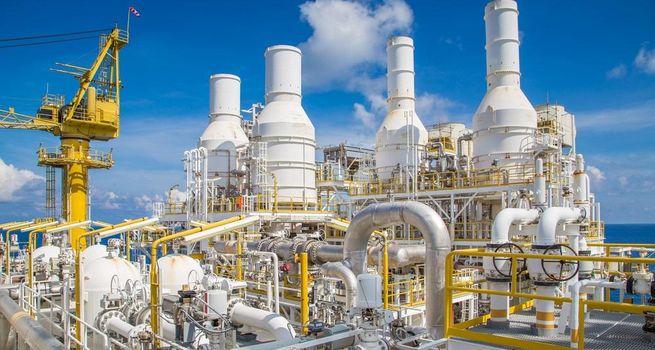
Image source: Shutterstock
Highlights
Buru confirms 85 Bcf 1C contingent gas resource at Rafael following successful 3D seismic survey
Partners with Clean Energy Fuels Australia to manage LNG plant and downstream infrastructure
First gas production targeted for late 2027, with estimated AU$70M annual pre-tax cashflow
Buru Energy (ASX:BRU) has taken a major step forward in the development of its Rafael Gas Project in Western Australia’s Canning Basin, confirming a high-confidence 1C contingent resource of 85 billion cubic feet (Bcf). The estimate follows the successful interpretation of data from a recent 3D seismic survey\.
The Rafael-1 discovery well — drilled with just a 21% geological chance of success — has exceeded expectations, positioning Rafael as a cornerstone asset for Buru as it transitions from a junior explorer to a key player in the Kimberley gas market.
To support development, Buru has entered into a Strategic Development Agreement with Clean Energy Fuels Australia (CEFA). Under the deal, CEFA will fund, build, own, and operate the associated liquefied natural gas (LNG) and condensate infrastructure, while Buru focuses its capital on drilling and upstream processing. The partnership significantly reduces upfront capital requirements for Buru and accelerates the path to commercialisation.
Looking ahead, Buru is targeting a Final Investment Decision (FID) by late 2025 or early 2026, with first production slated for the second half of 2027. Based on current resource estimates, the project is expected to deliver annual pre-tax operating cashflow of AU$70 million across a 20-year production life.
Financially, the Rafael Gas Project boasts a gross unhedged Net Present Value (NPV) of AU$400 million and an Internal Rate of Return (IRR) of 44%, reinforcing its status as a commercially attractive development based on conservative 1C contingent volumes. Should future appraisals lead to resource upgrades, those figures could climb even higher.
Buru Executive Chairman Eric Streitberg called the project a “transformational opportunity” for the company, with the potential to catalyse regional development and supply cleaner energy alternatives within Western Australia and beyond.
The Rafael discovery comes at a time when Australia’s east coast gas supply is under increasing scrutiny and pressure, opening potential avenues for domestic supply diversification and LNG exports. With growing focus on energy security and low-carbon transition, Rafael’s development could align well with broader national energy objectives.


 Nov 12, 2026





 Please wait processing your request...