
 AU
AU CA
CA NZ
NZ UK
UK US
US IND
IND

 Share
Share
 X (Formerly Twitter)
 Whatsapp
 Facebook
 LinkedIn
 Telegram
 Email This Article
 Copy Link
 Summarize with AI
 Chat GPT
 Perplexity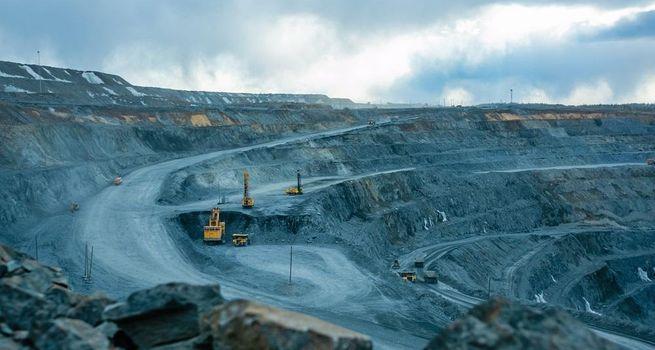
Nickel Industries Limited (ASX:NIC) has experienced a decline of approximately 2.45% today, trading near $0.92 AUD per share. This pullback presents an important evaluation opportunity for investors considering exposure to nickel production and battery metals supply. Nickel Industries is an Indonesian-based nickel mining and processing company with operations focused on nickel ore extraction and processing into nickel intermediates for battery and stainless steel applications. The company operates through RKEF (rotary kiln electric furnace) processing facilities in Indonesia with strategic partnership with Tsingshan, one of the world's largest stainless steel and nickel producers.
As of March 2026, Nickel Industries operates in a complex market environment characterized by nickel price volatility, rising energy costs in Indonesia, and evolving battery metal supply dynamics. The 5% decline today reflects broader battery metals sector repricing and investor concerns about nickel pricing sustainability and production economics. However, the company's exposure to the multi-decade battery metal demand growth narrative and strategic positioning in nickel supply provide fundamental support for longer-term value creation.
Nickel Industries represents a pure-play exposure to global nickel supply and battery metal demand growth, with production assets strategically located in Indonesia offering cost advantages and operational scalability.
Why Is Nickel Industries Falling Today?
Several factors have contributed to the 5% decline in Nickel Industries shares today:
Nickel Price Weakness
Nickel prices have experienced weakness in recent trading sessions, declining approximately 2-4% in the past two weeks. Nickel prices, having fluctuated between $18,000-26,000 per tonne over the past year, remain elevated relative to historical averages but face near-term pressure from investor uncertainty about EV demand growth and battery penetration rates.
EV Demand Growth Moderation
While long-term electric vehicle growth remains structurally supported, near-term EV demand growth has moderated from peak expectations. Concerns about consumer purchasing power, charging infrastructure availability, and battery cost dynamics have reduced near-term EV demand growth expectations, creating pressure on battery metal demand.
Indonesian Nickel Supply Expansion
Indonesia has dramatically expanded nickel mining and production in recent years as new companies and producers brought capacity online. This supply expansion has improved Indonesia's export competitiveness but has also created near-term market oversupply concerns in certain nickel product categories.
Energy Cost Pressures in Indonesia
Nickel Industries' RKEF processing operations are energy-intensive, consuming substantial electricity in furnace operations. Rising electricity costs in Indonesia create pressure on processing economics and operating margins.
Stainless Steel Market Softness
While Nickel Industries serves battery markets, significant portions of production serve stainless steel applications. Softness in global stainless steel demand and pricing creates near-term pressure on nickel demand.
Broader Mining and Battery Metals Repricing
The mining and battery metals sectors have experienced repricing as investors adjust growth expectations. This sector-wide headwind has affected nickel producers proportionally.
Technical Factors
The stock may be experiencing profit-taking or technical selling pressure. As a micro-cap equity, Nickel Industries exhibits higher volatility to sentiment and technical factors.
Nickel Industries Stock Performance
Historical Price Movement
Nickel Industries shares have experienced exceptional volatility reflecting the commodity-linked nature of the business and micro-cap characteristics. The stock has traded between $0.10 and $1.50+ over its public company history, with current prices near $0.60 representing mid-range valuations.
Recent Trading Pattern
The stock reached peak prices near $1.40-1.50 in 2021 during nickel price peaks before consolidating lower. Recent trading has been in the $0.50-0.80 range, reflecting the volatile nickel market environment.
Trading Characteristics
Daily trading volumes vary substantially, creating liquidity challenges for institutional investors. Bid-ask spreads can be significant for larger positions, reducing trading efficiency.
Key Financial Metrics
- Market Capitalization: Approximately $400-500 million AUD at current prices
- Enterprise Value: Approximately $350-450 million AUD after adjusting for net debt position
- Price-to-Earnings Ratio: Trading at variable multiples reflecting commodity price sensitivity
- Price-to-Book Ratio: Trading around 0.8-1.2x book value
- Free Cash Flow Yield: Attractive during periods of strong nickel prices and high-capacity utilization
- Dividend Policy: Company pays dividends from operating cash flow when available
Analyst Coverage
Nickel Industries receives limited analyst coverage given its micro-cap status and specific industry focus. Commodity-focused analysts occasionally cover the company, generally noting its strategic positioning while highlighting commodity price cyclicality and Indonesian operational risks.
What Does Nickel Industries Do?
Indonesian Nickel Operations
Nickel Industries operates nickel mining and processing facilities in Indonesia, one of the world's largest nickel-producing countries. The company focuses on extracting nickel ore and processing it into higher-value intermediate products.
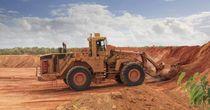
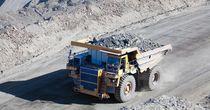
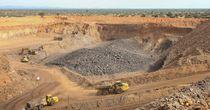
Mining Operations: The company operates nickel ore mining operations in Indonesia, extracting laterite nickel ore from deposits in the archipelago.
RKEF Processing Technology: Nickel Industries employs rotary kiln electric furnace (RKEF) technology to process laterite nickel ore into nickel intermediates including nickel pig iron (NPI) and nickel matte. This processing converts low-grade laterite ore into refined nickel products suitable for battery and stainless steel applications.
Tsingshan Partnership: The company has strategic partnerships with Tsingshan, one of the world's largest stainless steel and nickel producers. These partnerships provide access to markets, technology, and capital.
Production Scope: Nickel Industries produces approximately 40,000-50,000 tonnes of nickel content annually depending on operational capacity utilization and processing efficiency.
Product Types: The company produces nickel intermediates primarily for domestic Indonesian market and Asian customers, with some export to global markets.
Operational Advantages: Indonesian location provides access to nickel ore, lower labor costs relative to developed countries, and export infrastructure enabling competitive positioning.
Business Model
Nickel Industries operates as a vertically integrated nickel producer and processor, extracting ore and processing it into higher-value intermediates. The company benefits from:
- Vertical Integration: Control of mining and processing stages reduces costs and improves margins
- Indonesian Cost Advantages: Lower labor and energy costs relative to many competitors enable cost-competitive operations
- Tsingshan Relationships: Strategic partnerships provide market access and operational support
- Capacity Optionality: Ability to adjust processing rates based on nickel prices and market conditions
Industry and Market Outlook 2026
Global Nickel Demand Growth
Global nickel demand is expected to grow structurally driven by EV battery production expansion and stainless steel demand. Battery production, currently accounting for approximately 10% of global nickel demand, is expected to expand dramatically as EV penetration increases globally.
Nickel Supply Dynamics
Global nickel supply is expanding as Indonesian producers continue to develop new capacity. This supply expansion is supporting market availability of nickel products while maintaining prices elevated relative to pre-2020 baselines.
EV Battery Demand
Electric vehicle production continues to expand globally, with EV penetration rates rising from approximately 4% in 2020 to anticipated 10-15% by 2026. This EV growth drives battery metal demand growth including nickel.
Stainless Steel Demand
Global stainless steel demand is expected to remain stable to grow modestly, providing baseline nickel demand from traditional applications. Stainless steel demand is sensitive to construction and industrial activity levels.
Nickel Price Support
Nickel prices are expected to remain elevated relative to historical averages as supply-demand balance tightens. Structural demand growth from EVs should provide medium to long-term price support.
Indonesian Industry Development
Indonesia is consolidating its position as a global nickel supply hub, with numerous producers developing capacity. This development creates competition but also attracts strategic partnerships and capital investment.
Technology Evolution
Battery technology is evolving toward higher nickel content chemistries (such as NCA and NCM formulations) in certain applications, potentially increasing nickel demand per battery. However, other battery chemistries may reduce nickel requirements.
Chinese Demand Dynamics
China, the world's largest EV producer and battery manufacturer, represents the primary growth market for nickel supply. Chinese EV production trends directly impact global nickel demand growth.
Key Market Catalysts
Nickel Spot Price Movements
Nickel Industries' revenues and profitability are directly affected by nickel spot prices. Changes in London Metal Exchange nickel pricing create material earnings impacts.
Production Volume Announcements
Quarterly operational updates regarding production volumes, capacity utilization rates, and production efficiency metrics attract investor attention and affect valuation expectations.
Nickel Price Guidance
Company guidance regarding realized nickel prices and sales volumes provides important visibility for earnings forecasting.
Cost Management Updates
Announcements regarding cost control initiatives, operational efficiency improvements, and energy cost management attract investor attention, particularly in volatile energy cost environments.
Partnership Developments
Strategic partnership announcements with larger miners, smelters, or battery manufacturers could represent positive catalysts.
Dividend Announcements
As a cash-generative business, Nickel Industries pays dividends from operating cash flow. Dividend payment announcements attract income-focused investors.
Expansion Announcements
If the company announces capacity expansions or new processing facilities, this would represent a positive growth catalyst.
M&A Activity
Acquisition by a larger mining or battery metals company would represent a transformative catalyst for shareholders.
Is Nickel Industries a Good Investment?
Bull Case for Investors
Several arguments support investment in Nickel Industries:
Battery Metal Demand Growth: EV production expansion and battery manufacturing growth create multi-decade structural demand tailwind for nickel.
Cost-Competitive Production: Indonesian operations with RKEF technology enable cost-competitive nickel production supporting profitability across reasonable nickel price ranges.
Operational Leverage: RKEF processing provides operating leverage as nickel prices appreciate, enabling margin expansion.
Dividend Support: Strong operational cash generation enables regular dividend distributions to shareholders during profitable periods.
Strategic Partnerships: Relationships with Tsingshan and other large producers provide operational and marketing support.
Valuation: At current prices, Nickel Industries offers reasonable valuations relative to nickel production capacity and cash generation potential.
Supply Growth Story: Global nickel supply expansion supports long-term production and revenue growth potential.
Bear Case and Risk Factors
However, material risks warrant consideration:
Nickel Price Dependency: Nickel Industries' profitability is highly sensitive to nickel prices. Price declines reduce margins and profitability materially.
EV Demand Uncertainty: Near-term EV demand growth has moderated, creating uncertainty about near-term nickel demand acceleration.
Energy Cost Inflation: Rising electricity costs in Indonesia reduce processing margins and profitability. Sustained energy cost inflation pressures business economics.
Indonesian Operational Risk: Operations in Indonesia create exposure to political risk, regulatory changes, and currency fluctuations.
Competition Intensity: Indonesian nickel industry faces intense competition from other producers, creating pricing pressure.
Supply Oversupply Risk: If Indonesian nickel supply expands faster than demand growth, extended periods of low nickel prices could harm profitability.
Technology Risk: RKEF technology is mature and proven, but specific operational challenges could affect production efficiency.
Liquidity and Micro-Cap Risk: Micro-cap status creates liquidity constraints and higher volatility than larger equities.
Battery Chemistry Evolution: Changes in battery chemistry requirements could reduce nickel demand if newer battery formulations minimize nickel content.
Verdict for Different Investor Types
Commodity Cycle Investors: Nickel Industries represents appropriate exposure for investors comfortable with commodity price cycles and seeking leveraged nickel exposure.
Dividend Investors: The company's cash generation and dividend distributions make Nickel Industries attractive for yield-focused strategies during profitable periods.
Battery Metal Investors: Investors seeking exposure to battery metals supply can use Nickel Industries to gain leveraged nickel exposure.
Conservative Investors: The stock's sensitivity to nickel prices and micro-cap characteristics make Nickel Industries less suitable for risk-averse portfolios.
Growth Investors: While battery demand provides growth tailwind, the commodity cyclicality may limit appeal for pure growth-focused investors.
Emerging Market Investors: Investors comfortable with Indonesian operational exposure may find Nickel Industries interesting for Asian emerging market exposure.
What Is the Outlook for Nickel Industries?
Short-Term Outlook (Next 3-6 Months)
Near-term performance will be driven by nickel prices and quarterly operational execution. If nickel prices stabilize or recover, the stock could appreciate toward $0.80-1.00 levels. Company production and cost guidance will attract investor attention. Dividend announcements could support valuations.
Medium-Term Outlook (6-18 Months)
Over 12-18 months, Nickel Industries should continue generating operational cash flows while managing nickel price cycles. EV demand growth, if it accelerates, would provide tailwind for nickel prices and company profitability. Strategic partnership developments could create positive momentum. The company may consider capacity expansions if nickel market outlook improves.
Long-Term Outlook (18+ Months)
The long-term outlook for Nickel Industries remains constructive given structural EV growth and battery metal demand expansion. Indonesian nickel supply will continue providing a significant portion of global nickel production. Nickel Industries' cost-competitive production position should enable profitable operations across a range of nickel price scenarios. The company is well-positioned to capture shareholder value from multi-decade battery metal demand growth.
Reasonable Price Target Range: Independent commodity analysts suggest 12-month price targets in the $0.75-1.20 range, suggesting 25-100% upside potential from current levels.
Key Takeaways for Investors
- Battery Metal Structural Growth: Multi-decade EV growth and battery production expansion provide structural demand tailwind supporting long-term nickel pricing and production.
- Today's Pullback Reflects Commodity Cycle: The 5% decline reflects near-term nickel price weakness and EV demand moderation concerns rather than fundamental deterioration in supply-demand balance.
- Cost-Competitive Production: Nickel Industries' RKEF processing in Indonesia provides cost-competitive production enabling profitable operations across reasonable nickel price scenarios.
- Dividend Opportunity: During profitable periods, the company's strong cash generation enables dividend distributions attractive for income-focused investors.
- Commodity Cyclicality Reality: Nickel Industries' profitability is commodity price dependent, creating earnings volatility that investors must understand and accept.
- Strategic Positioning: Indonesian location and Tsingshan partnerships provide operational and market advantages supporting competitive positioning.
- Valuation Opportunity: For investors comfortable with nickel exposure and commodity cycles, current valuations offer reasonable entry points.
Frequently Asked Questions
Q1: How dependent is Nickel Industries on nickel prices?
Nickel Industries is highly dependent on nickel prices. Revenues are directly tied to spot nickel prices realized for production. Profitability is particularly sensitive as processing costs represent fixed components that don't vary with nickel prices. A 10% change in nickel prices creates approximately 15-20% change in net earnings at typical capacity utilization.
Q2: What percentage of production serves EV batteries versus stainless steel?
Current production allocation is approximately 30-40% for battery applications and 60-70% for traditional stainless steel applications. As EV production expands and battery demand grows, battery application percentage is expected to increase over time.
Q3: What are the key risks from Indonesian operations?
Key Indonesian operational risks include: (1) Currency depreciation reducing rupiah-denominated revenues; (2) Energy cost inflation from rising Indonesian electricity costs; (3) Political or regulatory changes affecting mining operations; (4) Social license concerns or community opposition; (5) Environmental regulations or restrictions.
Q4: Could Nickel Industries expand production significantly?
Yes, the company could pursue capacity expansion if nickel market outlook justifies investment. Expansion would require capital investment and strategic partnerships. Tsingshan partnerships could support expansion financing and offtake arrangements.
Q5: Is nickel demand likely to grow sufficiently to sustain prices?
EV production growth should drive meaningful nickel demand growth over the next decade. However, near-term growth may not be as robust as 2021-2022 peak enthusiasm. Long-term (10+ year) nickel demand outlook appears constructive given transportation electrification trends.
Investment Disclaimer
This article is provided for informational purposes only and does not constitute financial advice, investment recommendation, or an offer to buy or sell securities. The information contained herein is based on publicly available sources believed to be accurate as of the publication date (March 6, 2026) but is subject to change without notice. Past performance is not indicative of future results. Stock prices and market conditions are subject to significant volatility and may change materially.
Investors should conduct their own due diligence, consult with qualified financial advisors, and carefully evaluate their risk tolerance before making investment decisions. All equity investments carry risk of loss, including potential total loss of capital. Investors should not rely solely on this article when making investment decisions and should consider their complete financial situation, investment objectives, and risk tolerance.
The author and publisher assume no responsibility for errors, omissions, or inaccuracies in the information provided. Investment in ASX-listed securities carries regulatory, market, and company-specific risks that should be thoroughly understood before committing capital. Commodity-linked businesses face specific risks related to commodity price volatility and emerging market operations.
Article Date: March 6, 2026
Stock Price Referenced: $0.60 AUD
Price Change: Approximately -5%

 Mar 12, 2026
 Please wait processing your request...