
 AU
AU CA
CA NZ
NZ UK
UK US
US IND
IND

 Share
Share
 X (Formerly Twitter)
 Whatsapp
 Facebook
 LinkedIn
 Telegram
 Email This Article
 Copy Link
 Summarize with AI
 Chat GPT
 Perplexity
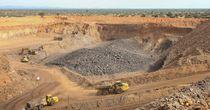
Image source: Shutterstock
Highlights
BHP’s shares fall 0.3% to AU$36.385, mirroring broader mining sector weakness.
Macquarie upgrades copper production forecasts following significant output at Escondida mine.
Copper production rises 10% in Q1 as BHP outperforms rivals during cyclone-hit wet season.
Shares of BHP Group Ltd (ASX:BHP) slipped 0.3% on Tuesday to AU$36.385, trading in line with a broader 0.2% decline in the Australian mining sub-index (.AXMM). Despite the dip, analysts at Macquarie remain bullish on the global miner’s copper outlook, citing robust operational performance and resilience during recent weather disruptions.
Macquarie analysts revised their copper production forecasts for BHP upwards by 3% for FY29, 11% for FY30, and 5% for FY31. The upbeat projections follows the quarterly update from BHP, particularly at its Escondida mine in Chile—the world’s largest copper mine—where output significantly exceeded expectations.
According to BHP’s latest report, copper production surged by 10% in the first quarter of the year, reaching 513,200 metric tons. The miner attributed the improvement to operational efficiencies and better-than-expected weather resilience, even as competitors struggled through severe wet season conditions.
Tropical Cyclones Zelia and Sean impacted operations across the region in Q1, but BHP’s infrastructure and preparedness enabled it to weather the storms more effectively than many of its peers. Macquarie noted that this resilience sets BHP apart.
“BHP's ability to navigate seasonal challenges while boosting output at a key asset like Escondida is encouraging,” Macquarie stated in a note to clients. “This reaffirms our positive outlook on their medium-to-long-term copper growth potential.”
Despite the promising production figures, investor sentiment around the stock remained cautious on Tuesday. BHP shares have declined by 8.1% so far in 2025, including the day’s loss.
Copper prices have remained volatile in recent months due to fluctuating demand signals from China and shifting global trade dynamics. However, analysts believe long-term fundamentals are positive, with copper poised to benefit from the ongoing energy transition and infrastructure investment worldwide.


 Mar 12, 2026
 Please wait processing your request...