
 CA
 NZ
 UK
 US
 IND

 AU

 Share
 X (Formerly Twitter)
 Whatsapp
 Facebook
 LinkedIn
 Telegram
 Email This Article
 Copy Link
 Summarize with AI
 Chat GPT
 Perplexity
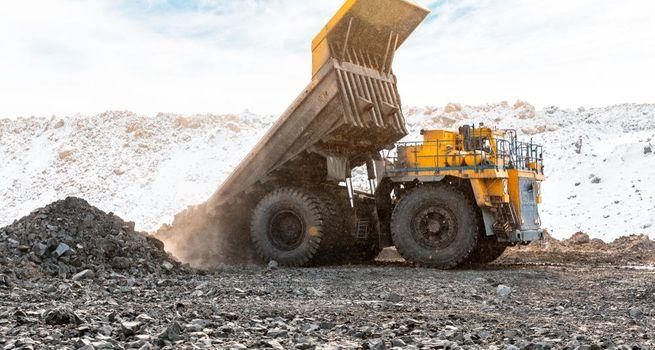
BHP (ASX:BHP) and South32 (ASX:S32), large-capitalisation, globally diversified mining companies for which zinc is one component of a much broader commodity portfolio. BHP produces minor zinc as a byproduct of its copper operations, while South32 operates the Cannington mine in Queensland — one of the world's largest zinc-producing operations.
What this means for investors: Diversified miners offer the most liquid, lowest-risk way to gain some zinc exposure on the ASX. However, their share prices are driven primarily by their dominant commodities (iron ore and copper for BHP; alumina, manganese, and metallurgical coal for South32). A pure zinc thesis would find these companies too diluted. South32 is the more zinc-relevant of the two, given Cannington's production profile.
S32 — South32 Ltd
Company overview: South32 is a major globally diversified mining and metals company that was demerged from BHP in May 2015. The company is listed on the ASX with secondary listings on the Johannesburg Stock Exchange and London Stock Exchange. It operates across bauxite, alumina, aluminium, metallurgical coal, manganese, nickel, copper, silver, lead, and zinc.
Why it appears on a zinc company list: South32 operates the Cannington mine in Queensland, which is one of the world's largest producers of silver, lead, and zinc. Zinc is a material revenue contributor for the group.
Main zinc or lead-zinc projects: The Cannington Mine is located approximately 200 kilometres southeast of Mount Isa in Queensland. It is a world-class underground polymetallic operation producing silver, lead, and zinc concentrates. In FY24-25, Cannington's payable zinc production was approximately 241,900 tonnes. The mine has experienced operational challenges including water management issues, with dewatering activities affecting production in recent quarters. The December 2024 quarter saw a 56 per cent increase in production after dewatering completion.
Geography and jurisdiction: Queensland, Australia. The Mount Isa-Cannington corridor is one of the world's premier base metals mining districts.
Current development stage: Major producer. Cannington is a mature but still productive operation.
Core or secondary zinc exposure: Meaningful. While South32 is diversified across many commodities, Cannington's zinc production of approximately 240,000 tonnes per annum makes it a significant contributor to both the company's revenue and global zinc supply.
Major opportunities: Cannington is a proven, long-life asset in a premier mining jurisdiction. South32's diversified portfolio provides revenue stability. The company's scale and balance sheet support continued investment.
Major risks: Cannington is a mature underground operation with increasing depth, which raises costs and operational complexity. Water management challenges have been a recurring issue. The company's diversification means zinc is only one of many commodities driving the share price.
Neutral outlook: South32 is the most significant direct zinc producer among ASX-listed companies. The Cannington mine alone produces more zinc annually than many smaller companies aspire to across their entire project lives. However, the company's diversification means investors receive zinc exposure alongside many other commodity exposures.
---
BHP — BHP Group Ltd
Company overview: BHP Group is one of the world's largest diversified mining companies, listed on the ASX with additional listings in London and New York. The company's primary commodities are iron ore, copper, and coal (metallurgical). BHP also produces potash, nickel, and minor quantities of other metals.
Why it appears on a zinc company list: BHP produces small quantities of zinc as a byproduct within its copper operations. Historically, BHP also operated zinc-focused assets, but the company spun off South32 in 2015, transferring most of its zinc-relevant operations (including the Cannington mine) to that new entity.
Main zinc or lead-zinc projects: BHP does not operate any flagship zinc projects. Zinc production is a minor byproduct within the company's copper segment, which includes operations such as Escondida (Chile), Olympic Dam (South Australia), and others.
Geography and jurisdiction: Global operations across Australia, the Americas, and other regions.
Current development stage: Major producer (of other commodities). Zinc is a very minor component of BHP's production profile.
Recent announcements or strategic developments: BHP's strategic focus is on copper, iron ore, and potash. Recent announcements relate to copper growth, potash development at Jansen (Canada), and portfolio rationalisation including considerations around its nickel business.
Core or secondary zinc exposure: Peripheral. Zinc revenue is negligible relative to BHP's total group earnings.
Major opportunities: BHP's scale, balance sheet, and technical capabilities mean it could pursue zinc opportunities if strategically aligned, but there is no indication this is a priority.
Major risks: For investors seeking zinc exposure, the primary risk is that BHP provides essentially no direct zinc leverage. BHP's share price is driven by iron ore, copper, and broader market sentiment.
Neutral outlook: BHP is the world's largest miner and an ASX 20 company, but it is not a meaningful zinc investment. Its presence on a zinc company list reflects historical connections and minor byproduct production. Investors seeking zinc exposure through BHP will find it heavily diluted by the company's dominant iron ore and copper operations.
---


 Nov 13, 2026





 Please wait processing your request...