
 CA
 NZ
 UK
 US
 IND

 AU

 Share
 X (Formerly Twitter)
 Whatsapp
 Facebook
 LinkedIn
 Telegram
 Email This Article
 Copy Link
 Summarize with AI
 Chat GPT
 Perplexity
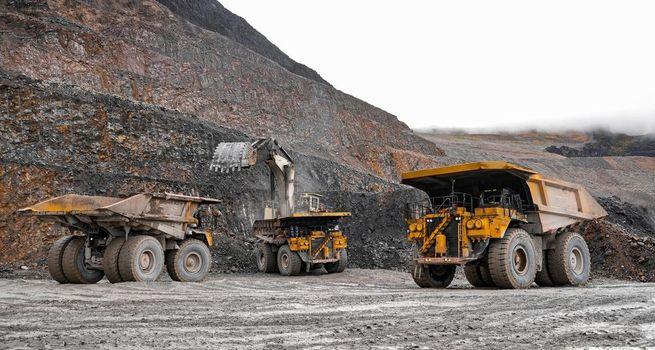
Australia's ASX hosts five prominent rare earth stocks representing diverse stages from established production to early exploration: Lynas Rare Earths (LYC) with its Mt Weld mine targeting 16,000+ tonnes REO in 2026, Arafura (ARU) advancing Nolans toward FID with A$911M funding commitments, Iluka Resources (ILU) constructing the A$1.65B Eneabba refinery, Brazilian Rare Earths (BRE) reporting 27% TREO ore sorting at Monte Alto, and Meteoric Resources (MEI) validating 70% magnet rare earth recovery from its 100+ year life Caldeira ionic clay deposit. This analysis examines their operational progress, key projects, financial positions, and sector catalysts amid global demand for NdPr driven by EV production exceeding 25 million units annually.
Lynas Rare Earths (ASX:LYC)
Lynas Rare Earths is the largest rare earth mining and processing company outside China and a flagship holding for investors seeking exposure to the sector on the ASX. Founded in 1983 and headquartered in Perth, Western Australia, Lynas has built an integrated supply chain spanning mining in Australia and processing in both Australia and Malaysia.
As of early 2026, Lynas holds a market capitalisation that places it comfortably among the top 50 companies on the ASX. The company has delivered consistent revenue growth over the past three years, driven by a combination of rising rare earth prices, volume expansion, and strategic long-term offtake agreements with Japanese and American buyers.
Key Projects
Mt Weld Mine, Western Australia
Mt Weld, located near Laverton in Western Australia, is one of the highest-grade rare earth deposits in the world. The mine supplies rare earth concentrate to Lynas’s downstream processing operations. In 2025, Lynas completed a significant expansion of the Mt Weld concentration plant, increasing throughput capacity and enabling the company to target rare earth oxide (REO) production exceeding 16,000 tonnes per annum in 2026 — a roughly 50 per cent increase year-on-year.
Kalgoorlie Processing Facility, Western Australia
Lynas has commissioned a rare earth processing facility in Kalgoorlie, Western Australia, as part of its strategy to onshore more of its processing chain. The Kalgoorlie plant processes Mt Weld concentrate into a mixed rare earth carbonate, which is then shipped to Malaysia for final separation. This facility represents a critical step toward reducing the company’s reliance on offshore processing.
Kuantan Advanced Materials Plant, Malaysia
The Kuantan plant in Gebeng, Malaysia, is Lynas’s primary separation facility, producing finished rare earth oxides including NdPr, lanthanum, cerium, and more recently samarium (a heavy rare earth element). In late 2025, Lynas secured a ten-year renewal of its Malaysian operating licence through to March 2036, removing a longstanding regulatory overhang. The company also commenced heavy rare earth production at Kuantan ahead of schedule, a significant technical milestone.
Financials and Funding Status
Lynas reported half-year revenue of approximately A$414 million for the six months to December 2025, with net income of roughly A$80 million. Analyst forecasts suggest full-year 2026 revenue could approach A$1.1 billion, roughly double the prior year, as expanded production volumes coincide with firmer rare earth pricing.
The company completed a A$932 million equity raising to fund its “Towards 2030” growth strategy, which encompasses further expansion at Mt Weld, continued investment in Malaysian processing, and exploration of downstream magnet alloy production. Lynas maintains a robust balance sheet with manageable debt levels relative to its cash flow generation.
Growth Catalysts
- Production ramp-up at Mt Weld targeting 16,000+ tonnes REO per annum
- New US Department of Defense supply agreement worth approximately US$96 million over four years
- Extended Japan supply agreement through 2038 with floor pricing protections
- Heavy rare earth (samarium) production commenced ahead of schedule
- Exploration of Vietnam-based magnet metal joint venture for downstream integration
- Malaysian licence renewal through 2036 eliminates key regulatory risk
Risks
- Commodity price sensitivity: revenue remains tied to NdPr and other REO prices, which are volatile
- Geopolitical risk in Malaysia: while the licence renewal is positive, political dynamics can shift
- Execution risk on expansion projects: construction delays and cost overruns are common in mining
- Chinese market influence: China can flood the market with supply to suppress prices
- Capital allocation: the large equity raising has diluted existing shareholders
Investment Thesis
Lynas is the de facto blue-chip ASX rare earth stock. It offers investors production-stage exposure to the rare earth thematic with genuine revenue, cash flow, and a diversified customer base. The extension of the Japanese offtake agreement to 2038 with floor pricing provides downside protection, while the US defence supply deal adds a layer of strategic relevance. The primary question for investors is valuation: at current levels, much of the growth story is already priced in. Lynas is best suited for investors seeking a core, lower-risk holding in the rare earth sector.
What sets Lynas apart from every other non-Chinese rare earth company is operational track record. The company has navigated regulatory challenges in Malaysia, commodity price cycles, and the technical complexities of rare earth separation for over a decade. This institutional knowledge is difficult to replicate and provides a meaningful competitive moat. Furthermore, Lynas’s move into heavy rare earth production with samarium opens a new revenue stream in a market segment where non-Chinese supply is virtually non-existent.
The “Towards 2030” strategy signals management’s ambition to evolve Lynas from a rare earth oxide producer into a vertically integrated magnet materials company. If the Vietnam magnet metal venture progresses, Lynas could capture value further down the supply chain, potentially transforming its margin profile. This evolution, while still in early stages, is worth monitoring closely as it could significantly re-rate the stock over the medium term.
Arafura Rare Earths (ASX:ARU)
Arafura Rare Earths is an Australian company focused on developing the Nolans Rare Earths Project in the Northern Territory. Arafura represents a pre-production investment opportunity: the company is advancing through the final stages of project financing and permitting, with a Final Investment Decision (FID) anticipated in the near term. For investors, Arafura offers higher upside potential than a producer like Lynas, but with correspondingly higher development and financing risk.
Key Projects
Nolans Rare Earths Project, Northern Territory
The Nolans project is a large-scale, vertically integrated rare earth operation located approximately 135 kilometres north of Alice Springs. The project encompasses an open-pit mine, a beneficiation plant, and a hydrometallurgical processing facility designed to produce separated NdPr oxide — the most commercially valuable rare earth product.
Nolans holds a substantial resource base with a mine life exceeding 30 years. The project’s definitive feasibility study (DFS) outlines annual production of approximately 4,440 tonnes of NdPr oxide, which would make it one of the largest NdPr producers outside China upon commissioning.
In 2026, Arafura has advanced several critical workstreams. The company executed a formal land compensation agreement with the pastoral lease holder at the Nolans site, acquired a 200-room camp facility for A$6.75 million to support construction, and entered a technical partnership with Clean TeQ Water to evaluate heavy rare earth separation technologies. These steps collectively de-risk the project and move it closer to construction readiness.
Financials and Funding Status
As a pre-revenue company, Arafura’s financial profile is defined by its funding progress. Total equity funding and commitments have reached approximately A$911 million, including significant backing from the Australian Government through the National Reconstruction Fund and Export Finance Australia, as well as international support from Germany’s KfW development bank.
In April 2026, Arafura secured an additional $230 million in backing comprising $84 million from KfW and $146 million from Export Finance Australia. Completion of the full funding package remains subject to shareholder and regulatory approvals, with a target deadline of December 2026.
The total capital cost for the Nolans project is estimated at approximately A$2.1 billion, and closing the remaining funding gap is the single most important near-term catalyst for the stock.
Growth Catalysts
- Final Investment Decision expected upon completion of the funding package
- Binding offtake agreements with European and Asian buyers underpin revenue visibility
- Australian Government support through NRF and Export Finance Australia
- International government backing from KfW signals geopolitical validation
- Heavy rare earth separation technology review could expand product suite
- Northern Territory Government infrastructure support for road and utilities
Risks
- Funding gap: while significant capital has been committed, the full package is not yet closed
- Construction risk: building a greenfield processing plant in a remote location is inherently challenging
- Commodity price risk: NdPr prices could decline during the multi-year construction period
- Permitting and regulatory risk: environmental and Indigenous approvals remain ongoing
- Dilution risk: additional equity raisings may be required to bridge the funding gap
- Competition: other NdPr producers may reach market before Nolans is commissioned
Investment Thesis
Arafura represents a higher-risk, higher-reward opportunity within the ASX rare earth space. The Nolans project has the scale and resource quality to become a globally significant NdPr producer, and the breadth of government support — from Australia, Germany, and Japan — underscores its strategic importance. However, the stock’s trajectory is heavily dependent on achieving financial close and commencing construction. Investors should be prepared for volatility around funding milestones. Arafura is best suited for investors with a longer time horizon and a tolerance for development-stage risk.
One aspect that strengthens Arafura’s investment case is the quality of its offtake arrangements. Binding agreements with European and Asian buyers provide revenue visibility that many pre-production companies lack. These offtake contracts also serve as implicit validation of the project’s technical and commercial viability, as sophisticated industrial buyers conduct extensive due diligence before committing to long-term supply agreements.
The Northern Territory Government’s support for infrastructure development at the Nolans site is another positive factor. Road upgrades, utility connections, and community services funded by the Territory reduce the capital burden on Arafura and improve the project’s overall economics. The acquisition of the 200-room camp facility further demonstrates practical progress toward construction readiness — a tangible indicator that the project is moving beyond the study phase.
Iluka Resources (ASX:ILU)
Iluka Resources is one of Australia’s largest mineral sands companies, with decades of experience in mining and processing zircon, titanium dioxide, and synthetic rutile. In recent years, Iluka has pivoted aggressively into the rare earth space through the development of its Eneabba Rare Earths Refinery in Western Australia — a project that positions the company to become the first fully integrated producer of separated rare earth oxides in Australia.
Unlike many rare earth companies on the ASX, Iluka is an established, profitable mining operation with existing cash flows from its mineral sands business. This provides a financial foundation that de-risks its rare earth ambitions and differentiates it from pure-play development-stage companies.
Key Projects
Eneabba Rare Earths Refinery, Western Australia
The Eneabba refinery, located approximately 140 kilometres south of Geraldton, is the centrepiece of Iluka’s rare earth strategy. When commissioned, it will be one of the few facilities outside China capable of producing both light and heavy separated rare earth oxides, including neodymium, praseodymium, dysprosium, and terbium.
The refinery will initially process monazite concentrate from Iluka’s existing stockpiles at Eneabba — accumulated over decades of mineral sands operations. This gives Iluka a significant first-mover advantage: feedstock is already on site, eliminating the need for a concurrent mining operation to supply the plant.
The capital cost of the Eneabba refinery has increased from an initial estimate of A$1.2 billion to between A$1.7 billion and A$1.8 billion, reflecting expanded scope and engineering modifications. The Australian Government has provided a A$1.65 billion non-recourse loan under the Critical Minerals Facility, covering the vast majority of the capital requirement. Commissioning is now expected in 2027 after a timeline adjustment from the original 2026 target.
Feedstock Agreements
Iluka has signed a rare earth concentrate supply agreement with Lindian Resources, securing third-party feedstock to supplement its own stockpiles. This agreement extends the refinery’s operational runway and ensures a diversified supply base beyond Iluka’s in-house material.
Financials and Funding Status
Iluka’s financial position is robust, supported by ongoing revenue from its mineral sands operations. The company generates hundreds of millions of dollars in annual revenue from zircon and titanium products, providing cash flow to fund corporate overheads and absorb any Eneabba-related cost fluctuations. The non-recourse nature of the government loan means that the broader Iluka balance sheet is largely insulated from Eneabba’s construction risk.
Iluka’s market capitalisation reflects both its mineral sands business and the optionality of the rare earth refinery. Investors are effectively getting exposure to a potential downstream rare earth processing margin on top of an existing, cash-generative mining business.
Growth Catalysts
- Eneabba commissioning in 2027 as Australia’s first integrated rare earth refinery
- Non-recourse government loan covers the majority of capital costs
- Third-party feedstock agreements extend operational life
- Ability to produce both light and heavy rare earth oxides — a rare capability outside China
- Existing mineral sands cash flows provide financial buffer during ramp-up
- Potential premium pricing for non-Chinese processed rare earths
Risks
- Construction cost overruns: capital costs have already increased significantly
- Commissioning delays: the timeline has shifted from 2026 to 2027
- Technical risk: rare earth refining at this scale is technically complex
- Feedstock quality and consistency: third-party supply carries quality variability
- Mineral sands downturn: weakness in the core business could strain corporate resources
- Market pricing: the premium for non-Chinese rare earths is not yet well established
Investment Thesis
Iluka offers rare earth exposure underpinned by an existing, profitable mineral sands business. The Eneabba refinery has the potential to be transformational, positioning Iluka as a critical node in the Western rare earth supply chain. The non-recourse government financing reduces balance sheet risk, while the in-house monazite stockpile eliminates near-term feedstock uncertainty. The key risk is execution: delivering a technically complex refinery on budget and on time. For investors seeking rare earth exposure with lower development risk than pure-play explorers, Iluka is a compelling option.
The strategic significance of Eneabba cannot be overstated. Once operational, it will be one of only a handful of facilities globally capable of producing separated heavy rare earth oxides outside China. This capability is in acute demand from Western defence contractors, EV manufacturers, and wind turbine producers who face increasing pressure from their own governments to de-risk supply chains. The premium that buyers may be willing to pay for “geopolitically secure” rare earths could significantly enhance Iluka’s margins relative to Chinese competitors.
Iluka’s management team has deep experience in mineral processing, having operated complex downstream facilities for zircon and titanium products for decades. This operational pedigree provides some confidence that the Eneabba refinery will be managed competently once commissioned, although rare earth separation chemistry is materially different from mineral sands processing. The company’s existing relationships with global industrial customers also provide a natural distribution channel for its rare earth products, potentially accelerating market penetration.
Brazilian Rare Earths (ASX:BRE)
Brazilian Rare Earths is a relatively newer entrant to the ASX rare earth space, focused on developing high-grade rare earth deposits in the state of Bahia, Brazil. The company has attracted investor attention with a series of exploration results that suggest district-scale mineralisation, potentially positioning Brazil as a significant non-Chinese rare earth province.
BRE is at an earlier stage of development compared to Lynas or Iluka, operating primarily in the exploration and pilot-plant phase. However, the grades and scale of its discoveries have generated considerable excitement within the rare earth investment community.
Key Projects
Monte Alto Project, Bahia, Brazil
Monte Alto is BRE’s flagship project, featuring high-grade and ultra-high-grade rare earth mineralisation. In early 2026, the company reported exceptional results from sensor-based ore sorting test work, achieving grade upgrade factors of more than two times — increasing feed grades from approximately 12.4 per cent total rare earth oxide (TREO) to around 27 per cent TREO using multi-sensor ore sorting technology.
These results are significant because high feed grades reduce processing costs and improve project economics. BRE has also demonstrated 97 per cent rare earth recovery at relatively low processing temperatures of 150 degrees Celsius, suggesting a potentially low-cost metallurgical flowsheet.
Sulista Project, Bahia, Brazil
The Sulista project, located approximately 80 kilometres southwest of Monte Alto, has emerged as a second major discovery within BRE’s exploration portfolio. Exploration results released in early 2026 extended the target strike length to more than 17 kilometres, materially enhancing the district-scale potential. A maiden JORC-compliant Mineral Resource Estimate for Sulista is anticipated in mid-2026.
Pilot Plant, Camaçari Petrochemical Complex
BRE has cleared the final regulatory hurdle for its pilot-scale processing hub in Bahia, receiving operating authorisation from ANSN (the nuclear regulatory authority). Pilot operations are targeted for mid-2026 and will focus on optimising flowsheets, confirming technical parameters, and supporting downstream separation options ahead of potential industrial scale-up.
Amargosa Bauxite Project
In addition to its rare earth assets, BRE holds the Amargosa bauxite project. The company is advancing plans to demerge Amargosa through an in-specie distribution into a separately listed ASX entity in 2026, which would allow BRE to focus entirely on rare earth development while unlocking value for shareholders.
Financials and Funding Status
As an exploration-stage company, BRE does not generate revenue and is funded through equity raisings. The company’s cash position is modest relative to the capital requirements of a full-scale rare earth mining and processing operation. The path from exploration to production will require significant additional capital, either through equity, debt, offtake agreements, or strategic partnerships.
BRE’s share price has been volatile, reflecting both the excitement around its exploration results and the inherent uncertainty of early-stage resource companies.
Growth Catalysts
- Maiden JORC resource estimate for Sulista expected mid-2026
- Pilot plant commissioning in mid-2026 to validate processing technology
- Exceptional ore sorting results (27% TREO) improving project economics
- 97% rare earth recovery at low temperature suggesting cost-effective processing
- Demerger of Amargosa bauxite to sharpen strategic focus
- District-scale exploration potential across 17+ kilometres of strike
Risks
- Early-stage development: no resource estimates, no feasibility studies, no revenue
- Funding uncertainty: substantial capital will be needed for development
- Jurisdictional risk: Brazil’s regulatory and political environment can be unpredictable
- Metallurgical risk: pilot plant results may not scale to commercial production
- Commodity price risk: rare earth prices may not support greenfield development economics
- Competition for capital: BRE competes with more advanced ASX rare earth peers for investor attention
Investment Thesis
Brazilian Rare Earths offers the combination of high-grade mineralisation, district-scale exploration potential, and promising early metallurgical results is compelling. However, the company remains years away from production, and the path is littered with technical, financial, and jurisdictional hurdles. BRE is best suited for investors with a high risk tolerance who are willing to take a long-term position in a potentially transformational rare earth discovery.
What makes BRE particularly interesting from a geological perspective is the scale of the exploration target. With the Sulista project alone extending over 17 kilometres of strike, and Monte Alto demonstrating grades that are among the highest reported for any rare earth deposit globally, the district-scale potential is considerable. If maiden resource estimates confirm the geological model, BRE could rapidly transition from an explorer to a significant development-stage company with resource tonnages that attract major strategic investors.
The planned demerger of the Amargosa bauxite project is a sensible corporate strategy. By separating the bauxite asset into a standalone ASX-listed entity, BRE sharpens its identity as a pure-play rare earth company, which is likely to attract more focused investor attention and potentially warrant a higher valuation multiple. Shareholders would retain exposure to both assets while allowing each company to pursue its own optimal funding and development strategy.
Brazil itself is an increasingly important jurisdiction in the global rare earth narrative. The country holds significant geological potential for both hard-rock and ionic clay rare earth deposits, and its mining regulatory framework, while complex, has a long track record of supporting major resource developments. The state of Bahia, where BRE’s projects are located, has an established mining culture and supportive local government policies. However, investors should be mindful that Brazilian regulatory processes can be slower and less predictable than those in Australia or Canada.
Meteoric Resources (ASX:MEI)
Meteoric Resources is an ASX-listed explorer and developer focused on the Caldeira Rare Earth Project in the state of Minas Gerais, Brazil. Caldeira is described as the world’s highest-grade ionic clay rare earth deposit, a distinction that has positioned Meteoric as one of the more closely watched junior rare earth companies on the ASX.
Ionic clay deposits are significant in the rare earth industry because they typically host a higher proportion of magnet rare earths (NdPr, dysprosium, and terbium) relative to lower-value cerium and lanthanum. They also tend to be amenable to simpler, lower-cost extraction processes compared to hard-rock deposits.
Key Projects
Caldeira Rare Earth Project, Minas Gerais, Brazil
Caldeira is Meteoric’s flagship asset and the primary focus of the company’s development efforts. The project benefits from a measured and indicated resource with an estimated mine life exceeding 100 years, reflecting both the scale of the deposit and the relatively modest proposed annual production rate. This exceptional longevity provides long-term strategic value.
Meteoric completed a Pre-Feasibility Study (PFS) in mid-2025, marking an important milestone in the project’s transition from exploration to development. In December 2025, the company received a preliminary environmental licence, enabling progression toward an installation licence — a critical permitting step.
In early 2026, Meteoric announced results from its Mixed Rare Earth Carbonate (MREC) pilot plant at Caldeira. The pilot achieved a 70 per cent average magnet rare earth recovery rate to MREC, matching results from continuous test work conducted by ANSTO (the Australian Nuclear Science and Technology Organisation). These results validate the processing technology and de-risk the metallurgical pathway.
Australian and Canadian Assets
Meteoric also holds interests in the Warrego North IOCG (iron oxide copper gold) project in the Northern Territory and a portfolio of cobalt projects in Ontario, Canada. While these assets provide diversification, the market’s attention is firmly on Caldeira, and these secondary holdings are largely a legacy of the company’s earlier exploration focus.
Financials and Funding Status
Meteoric held approximately A$33 million in cash at the end of December 2025. As a pre-revenue company advancing through the feasibility and permitting stages, cash management is critical. The company will need to secure additional funding to progress Caldeira through a Definitive Feasibility Study (DFS) and into construction. Potential funding sources include equity raisings, strategic partnerships, government grants, and offtake-backed project finance.
Growth Catalysts
- Pilot plant results confirm 70% magnet rare earth recovery, validated by ANSTO
- Preliminary environmental licence received, enabling installation licence progression
- Resource base with 100+ year mine life provides long-term strategic value
- High-grade ionic clay deposit amenable to lower-cost processing
- Located in Minas Gerais, Brazil’s premier mining state with established infrastructure
- Progression toward Definitive Feasibility Study as the next major milestone
Risks
- Funding requirements: A$33 million in cash is insufficient for full project development
- Pre-revenue status: the company is burning cash with no income
- Feasibility risk: PFS-stage projects carry significant technical and economic uncertainty
- Brazilian regulatory and political risk, including environmental permitting timelines
- Scale-up risk: pilot plant results may not fully translate to commercial operations
- Market recognition: as a junior explorer, MEI competes for investor attention in a crowded market
Investment Thesis
Meteoric Resources offers investors exposure to what could be a world-class rare earth deposit with exceptional grade and longevity. The Caldeira project’s ionic clay mineralogy is a competitive advantage, potentially enabling lower-cost production and a higher proportion of valuable magnet rare earths. The pilot plant results are encouraging, and the permitting progress signals forward momentum. However, MEI remains a pre-revenue junior with meaningful funding and development risks. It is a speculative investment suited to investors who believe in the long-term rare earth thematic and are willing to accept the uncertainties inherent in early-stage Brazilian resource development.
The 100-year mine life is an extraordinary metric that deserves closer attention. While mine life projections at the PFS stage should be treated with appropriate caution, a resource of this magnitude and grade suggests that Caldeira could support decades of steady-state production with minimal ongoing exploration expenditure. For potential strategic partners or acquirers, this longevity is highly attractive, as it amortises upfront capital investment over an exceptionally long period and provides supply certainty that shorter-life projects cannot match.
The location in Minas Gerais is advantageous. As Brazil’s most established mining state, Minas Gerais offers well-developed transport infrastructure, access to skilled labour, reliable power supply (including significant renewable energy capacity), and a regulatory framework that is familiar to international mining companies. These practical advantages reduce the infrastructure burden on Meteoric relative to projects in more remote locations.
Looking ahead, the key milestones for MEI investors are the completion of a Definitive Feasibility Study, the securing of offtake agreements with industrial buyers, and the progression through Brazil’s environmental permitting process toward an installation licence. Each of these milestones represents a potential share price catalyst, but each also carries the risk of delays or adverse outcomes. Investors should monitor quarterly progress reports closely and be prepared for the non-linear progression that is typical of development-stage resource companies.


 Nov 13, 2026





 Please wait processing your request...