
 AU
AU CA
CA NZ
NZ UK
UK US
US IND
IND

 Share
Share
 X (Formerly Twitter)
 Whatsapp
 Facebook
 LinkedIn
 Telegram
 Email This Article
 Copy Link
 Summarize with AI
 Chat GPT
 Perplexity
Key Highlights
- Established oil and gas producer with assets in Cooper and Otway basins supplying southeastern Australian gas markets
- Natural gas supply contracts providing revenue visibility and stable cash flow generation
- Strategic geographic position supplying growing Australian east coast gas demand with domestic output
- Proven reserves supporting multi-year production and cash distribution potential
- Rising global LNG prices and Australian gas export demand creating favourable market conditions
Amplitude Energy (ASX:AEL) is an established Australian oil and gas producer with assets in the Cooper and Otway basins, supplying natural gas to southeastern Australia's growing demand centres. The company generates stable cash flows from gas sales contracts with major retailers and industrial customers, supporting consistent dividend distributions to shareholders. AEL's operational focus emphasizes sustainable production from proven reserves while managing capital efficiently.
As a pure-play Australian gas producer, AEL offers investors exposure to domestic energy supply and consistent cash generation without upstream exploration risk. Understanding AEL's asset portfolio, reserve position, contract structure, and capital allocation approach is essential for income-focused investors evaluating Australian energy exposure.
About the Company
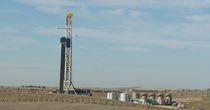
Amplitude Energy operates established oil and gas production assets primarily in the Cooper Basin spanning South Australia and Queensland, and the Otway Basin offshore Victoria. The company's primary operations include the Jack-Flint field in the Cooper Basin and offshore Victoria production facilities. AEL generates revenue through natural gas sales to major utilities, retailers, and industrial customers under long-term supply contracts.
The company's business model emphasizes predictable cash generation from long-term gas supply agreements reducing revenue volatility. AEL's experienced management team brings extensive oil and gas industry expertise and operates production assets to maximize reserve recovery and operational efficiency. The company's geographic proximity to southeastern Australia's major population centres and industrial facilities provides structural advantage for gas supply partnerships
Why the Stock Is Moving
AEL stock price movements reflect natural gas commodity price trends, production updates, contract news, and dividend announcements. Rising Asian LNG prices typically support higher realizations for Australian gas exports and domestic gas pricing, improving AEL's cash generation. Production outages or facility maintenance can trigger temporary share price volatility as market participants reassess cash flow generation.
Quarterly earnings reports disclosing production volumes, realized gas prices, and operating cash flows provide key catalysts for share price reactions. Dividend announcements or payout ratio changes significantly impact income-focused investors' demand for AEL shares. Contract renewals, new supply agreements, or production growth initiatives create positive share price catalysts as market participants value expanded revenue streams.
Industry Trends
Australia's east coast gas market faces structural supply growth demand from manufacturing sector expansion, power generation requirements, and population growth in major cities. Domestic gas supply constraints and limited new project development support elevated gas pricing relative to historical levels. Renewable energy integration increasing grid volatility favours natural gas for reliable baseload electricity generation.
Global LNG prices remain elevated due to sustained supply constraints and geopolitical disruptions affecting international markets. Australia's gas export competitiveness and domestic supply security create premium pricing environment for producers like AEL. Government support for domestic gas supply and energy security positions local producers advantageously relative to import-dependent regions. However, longer-term energy transition pressures and renewable energy adoption growth could challenge sustained gas demand growth.
Financial Performance
AEL's financial performance centers on production volume execution, realized gas prices, and cost control across operating assets. Quarterly production volumes and average realized prices directly determine revenue generation. Operating cost management, particularly in offshore Victoria operations, significantly impacts profit margins and cash flow availability for shareholder distributions.
Cash flow generation from operations funds dividends, debt service, and capital expenditure requirements for production maintenance. Examining quarterly operating cash flow and free cash flow available to shareholders reveals dividend sustainability and capital allocation flexibility. Reserve replacement and production decline trends indicate whether AEL's assets support long-term production sustainability or face terminal decline.
Investment Risks
Commodity price volatility represents AEL's primary financial risk, as lower natural gas prices compress margins and reduce cash flow available for shareholder distributions. Sustained weak gas pricing could trigger dividend cuts, material share price declines, and reduced capital availability for reserve replacement activities. Production disruptions from facility maintenance or unexpected mechanical failures can temporarily reduce revenues.
Reserve depletion risk requires consistent reserve replacement through development of existing resources or exploration success. Regulatory changes affecting gas market access, production regulations, or environmental requirements could increase operating costs. Energy transition pressure and long-term renewable energy adoption growth could moderate gas demand in decades ahead, compressing long-term asset values. Currency exchange rate movements affect realizations for gas exported at international pricing benchmarks.
Future Growth Drivers
Production growth from reserve development activities represents AEL's primary near-term growth driver, with higher production supporting cash flow and dividend growth. Domestic gas price strength from supply constraints supports improved realizations and margins. New supply contracts with customers could expand revenue base and improve production utilization rates.
Potential asset acquisitions complementing AEL's Cooper and Otway Basin operations could consolidate position and expand production base. Development of discovered resources currently not in production could unlock substantial value. Integration of renewable energy ventures or transition assets could position AEL for long-term energy market participation beyond pure gas production.
Analyst Outlook and Market Sentiment
Analyst sentiment toward AEL reflects natural gas market conditions and reserve sustainability outlook. Bullish positioning emerges when global LNG prices remain elevated and Australian east coast gas pricing supports above-consensus margins. Production growth announcements and successful reserve replacement activities trigger positive analyst sentiment.
Market sentiment toward Australian gas producers remains constructive as long as Asian LNG prices remain elevated and Australian supply constraints persist. Energy security narratives supporting domestic gas production create positive tailwinds. Longer-term sentiment risks emerge if renewable energy adoption accelerates faster than market expectations or if major new gas supply projects materialize, increasing competitive supply.
Long-Term Investment Perspective
For long-term investors, AEL represents a quality Australian energy producer offering sustainable cash generation and dividends supported by proven reserves and long-term supply contracts. The company's geographic position, asset quality, and contractual relationships support multi-year cash flow visibility. Patient capital focusing on income generation can build meaningful positions in AEL for consistent dividend streams.
Investors should recognize that AEL's long-term value depends critically on successful reserve replacement, sustained domestic gas demand, and relative commodity price strength. Energy transition trends pose long-term headwinds for pure gas producers, suggesting appropriate portfolio positioning relative to investor time horizons. Income-focused investors can participate in AEL's cash generation through a multi-year holding period while monitoring reserve replacement success and market demand trends.
Conclusion
Amplitude Energy (ASX:AEL) represents a quality Australian oil and gas producer offering consistent cash generation and dividend income supported by proven reserves and long-term supply contracts. The company's geographic position, asset quality, and contractual customer relationships support stable revenues in Australia's constrained gas supply environment. For income-focused investors, AEL provides an attractive yield vehicle backed by operational excellence and commodity pricing tailwinds.
Long-term investors should recognize both the cash flow benefits from AEL's operations and the longer-term headwinds from energy transition pressures. The company's success depends on maintaining production through effective reserve replacement while adapting to evolving energy market dynamics. Building positions during commodity price weakness can offer attractive entry points for income investors seeking exposure to Australia's essential energy infrastructure.
Questions Investors Are Asking About Amplitude Energy
Q: What are AEL's primary production assets and their locations?
A: AEL operates the Jack-Flint production field in the Cooper Basin spanning South Australia and Queensland, and offshore Victoria production facilities in the Otway Basin. These assets represent the company's primary revenue sources. Production volumes and facility performance metrics are disclosed quarterly.
Q: How long is the reserve life at current production rates?
A: Reserve life and reserve replacement ratios are disclosed in annual financial reports and reserve assessment updates. Investors should monitor reserve life trends to assess whether AEL successfully replaces produced volumes through development or exploration success. Declining reserve life indicates future production challenges if replacement activities underperform.
Q: What percentage of AEL's gas sales are contracted versus spot market sales?
A: Long-term supply contracts with customers provide revenue visibility and reduce price volatility exposure. Contract percentages are disclosed in investor presentations. Higher contract percentages reduce commodity price sensitivity, while elevated spot market exposure increases earnings volatility.
Q: How sustainable is AEL's dividend payout level?
A: Dividend sustainability depends on operating cash flow generation, capital expenditure requirements, and debt service obligations. Examining operating cash flow to dividends paid reveals payout ratio and sustainability. Expanding production or improving commodity prices support higher distributions, while price weakness may require payout reductions.
Q: What production guidance has AEL provided for upcoming years?
A: AEL's management provides production volume and cash flow guidance in quarterly reports and investor presentations. Production growth rates depend on successful reserve development execution. Changes to guidance reflect updated reserve assessments or operational performance.
Q: How sensitive is AEL's cash flow to natural gas price movements?
A: Gas price sensitivity depends on contract terms and spot market exposure percentages. A 10% change in realized gas prices significantly affects quarterly operating cash flow. Investors should understand AEL's net exposure to commodity price fluctuations when evaluating earnings stability.
Q: What capital expenditure does AEL require for reserve replacement and maintenance?
A: Annual capital spending for development activities, production maintenance, and infrastructure upgrades is disclosed in financial reports and guidance. Capital intensity of reserve replacement affects free cash flow available for dividends. Rising capital requirements can constrain distribution growth.
Q: Is AEL exploring renewable energy or energy transition opportunities?
A: Some oil and gas producers are exploring carbon capture, renewable energy integration, or hydrogen production. AEL's strategic positioning toward energy transition should be assessed in investor presentations. Long-term competitiveness may depend on successful transition or diversification strategies.
Q: What regulatory or environmental risks could affect AEL's operations?
A: Australian gas producers face increasing environmental regulations, renewable energy policy support, and climate transition pressures. Changes to gas market access regulations or emissions standards could increase costs. Investors should monitor regulatory developments affecting gas industry profitability and market demand.
Q: Is AEL a good dividend income investment?
A: AEL offers attractive dividend yields for income investors during periods of elevated commodity prices and strong cash generation. However, dividend sustainability depends on reserve replacement and commodity price strength. Conservative investors should diversify income sources rather than relying solely on AEL dividends.
Disclaimer: This article is for informational purposes only and does not constitute financial advice. Investors should conduct their own research and consult with a qualified financial advisor before making investment decisions. Past performance is not indicative of future results.

 Mar 13, 2026

 Please wait processing your request...