A lot has been seen in terms of Australia’s ever-changing views about department stores. Be it the biggies, David Jones or Myer Holdings, or the budget-driven players like Kmart, the strategies these stores are implementing to glue more and more customers cannot be ignored after an extent. The focus of these groups’ strategies is centered around brand and quality, diversity in products, and price range of products they offer. Some offer discounts and ‘value for money’ products while some like Target focus on quality over anything else. The retail sharks, David Jones and Myer, also try to follow unique strategies and a recent market analysis and customer survey has revealed the way Myer is looked at, versus customers’ views on David Jones. Let us have a look at these two players in a little detail:
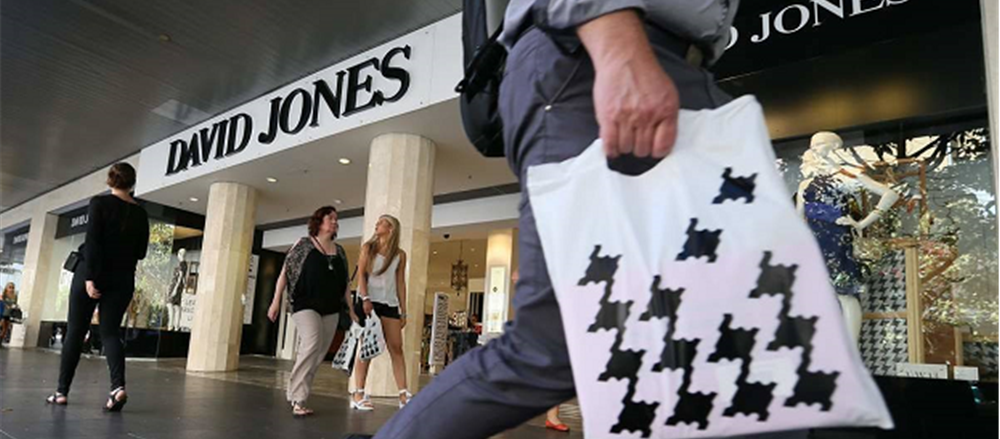
David Jones: The group is introducing its new breed of miniature outlets at Sydney’s Barangaroo and plans to roll out the concept in wealthy inner-city suburbs across the nation with Brisbane’s Fortitude Valley up next. The company says the new format would enable to deliver a world class shopping experience within the busy areas where many customers live and work. Although there are challenges looking at aging populations and shopping centres losing traffic and revenue, the group still plans to expand and is also shifting its head quarter. A redevelopment effort worth $200 million in the second half of 2017 has also been planned.
Myer Holdings: Myer Holdings has grown at a better pace than rival David Jones in last couple of years. The transformation strategy is working well and Myer has witnessed five quarters of same store sales growth in a row. Comparable store sales growth for Flagship and Premium stores has been up 2.8%. Full year EBITDA growth is expected to be more than the sales growth and there is a good chance to return to profit growth. Myer has made a number of critical investments and its omni-channel sales is increasing by 74% and profit growing at a faster rate. Myer is also taking some conscious steps and is set to close Orange store in January while Wollongong store was to close in October. The outcome of Myer’s transformation journey in terms of FY16 performance is herein below:
.png)
The group will now accelerate capital investments in priority stores and focus would be on building wanted brands with roll out of a number of brands including TOPSHOP TOPMAN, Industrie, Mimco and the introduction of Saba, Oroton and John Lewis homewares. Although worth-buying, Myer products have been identified as quality driven but more expensive, as per the customer survey.
From a retail industry standpoint, Australians are being estimated to spend over $48.1 billion in retail stores up till this year’s Christmas period. This certainly will benefit the department stores overall. In fact, in October, retailers confidence has soared about 20% to be at 124.6 against the All businesses index at 114.6, which is up 4%. With the onset of the Thanksgiving shopping period (under US seasonal tradition), some Australian brands have also started following the tradition and players like Kogan etc. have set themselves for offering discounts. Myer customers are also said to benefit from great deals on diverse range of products (like clothing, cosmetics, and so forth). On a long-term basis, certain challenges might prevail with recent threat coming in from Amazon’s prospective entry on Australian shores. Retailers such as Myer, JB Hi-Fi, and Woolworths could come under competitive pressures. As of now, the 12-month forecasts indicate for good growth from economic standpoint for Australian retailers.
Disclaimer
The advice given by Kalkine Pty Ltd and provided on this website is general information only and it does not take into account your investment objectives, financial situation or needs. You should therefore consider whether the advice is appropriate to your investment objectives, financial situation and needs before acting upon it. You should seek advice from a financial adviser, stockbroker or other professional (including taxation and legal advice) as necessary before acting on any advice. Not all investments are appropriate for all people. Kalkine.com.au and associated pages are published by Kalkine Pty Ltd ABN 34 154 808 312 (Australian Financial Services License Number 425376). The information on this website has been prepared from a wide variety of sources, which Kalkine Pty Ltd, to the best of its knowledge and belief, considers accurate. You should make your own enquiries about any investments and we strongly suggest you seek advice before acting upon any recommendation. Kalkine Pty Ltd has made every effort to ensure the reliability of information contained in its newsletters and websites. All information represents our views at the date of publication and may change without notice. To the extent permitted by law, Kalkine Pty Ltd excludes all liability for any loss or damage arising from the use of this website and any information published (including any indirect or consequential loss, any data loss or data corruption). If the law prohibits this exclusion, Kalkine Pty Ltd hereby limits its liability, to the extent permitted by law to the resupply of services. There may be a product disclosure statement or other offer document for the securities and financial products we write about in Kalkine Reports. You should obtain a copy of the product disclosure statement or offer document before making any decision about whether to acquire the security or product. The link to our Terms & Conditions has been provided please go through them and also have a read of the Financial Services Guide. On the date of publishing this report (mentioned on the website), employees and/or associates of Kalkine Pty Ltd currently hold positions in: BHP, BKY, KCN, PDN, and RIO. These stocks can change any time and readers of the reports should not consider these stocks as advice or recommendations.

 AU
AU
 CA
CA NZ
NZ UK
UK US
US IND
IND
 Please wait processing your request...