
 AU
AU CA
CA NZ
NZ UK
UK US
US IND
IND

 Share
Share
 X (Formerly Twitter)
 Whatsapp
 Facebook
 LinkedIn
 Telegram
 Email This Article
 Copy Link
 Summarize with AI
 Chat GPT
 Perplexity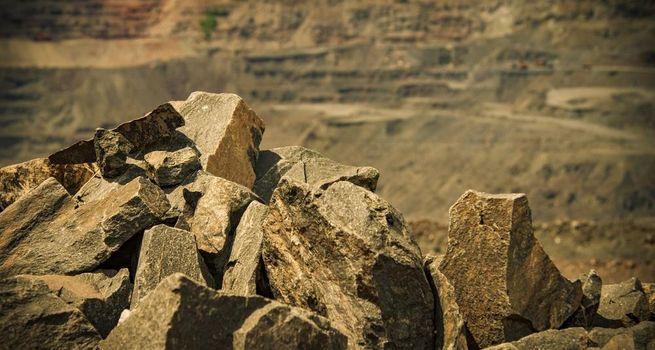
Fortescue Limited (ASX: FMG) has experienced a decline of approximately 1.29% today, trading near $19.14 AUD per share. This pullback presents an important inflection point for investors evaluating exposure to the world's largest independent iron ore producer. Led by visionary entrepreneur Andrew Forrest, Fortescue operates massive iron ore mining operations in the Pilbara region of Western Australia, producing approximately 170+ million tonnes of iron ore annually. The company has evolved beyond pure iron ore production into a diversified energy and resources company pursuing aggressive green energy and hydrogen development initiatives.
As of March 2026, Fortescue faces a complex operating environment marked by iron ore price volatility, strategic investments in clean energy transition, and evolving investor sentiment toward traditional mining companies pursuing energy transformation. The 5% decline today reflects broad-based iron ore price weakness and investor concerns about near-term profitability, but also broader market skepticism regarding Fortescue's substantial capital commitments to green energy and hydrogen development.
Fortescue's dual identity as both the world's leading independent iron ore producer and an ambitious clean energy investor creates unique investment dynamics. The company's Pilbara iron ore operations provide substantial and stable cash flows funding aggressive investments in renewable energy and hydrogen, positioning Fortescue as a potentially transformative player in global energy transformation.
Why Is Fortescue Falling Today?
Several interconnected factors have contributed to the 5% decline in Fortescue shares today:
Iron Ore Price Weakness
Iron ore represents over 90% of Fortescue's revenues, making the stock highly sensitive to iron ore spot prices. Iron ore prices have experienced weakness in recent trading sessions, declining approximately 2-3% in the past two weeks due to concerns about Chinese steel production demand and broader global construction activity slowdown. This iron ore price decline directly reduces Fortescue's near-term profitability outlook.
Chinese Demand Concerns
China represents the destination market for approximately 50% of global iron ore production and consumes over 50% of global steel production. Concerns about Chinese construction activity, property market dynamics, and manufacturing production create near-term uncertainty about iron ore demand. Any perception of slower Chinese demand growth reduces appetite for iron ore equities.
Shipping and Logistics Cost Pressures
Global shipping rates and logistics costs have experienced inflation. These cost increases reduce the realized prices Fortescue receives for delivered iron ore after accounting for transportation costs. Extended periods of elevated shipping costs pressure profitability and cash flow generation.
Green Energy Investment Skepticism
Fortescue's substantial capital commitments to green energy and hydrogen development have created investor skepticism about capital allocation and return on investment expectations. Some investors question whether large-scale hydrogen and renewable energy investments will generate returns meeting company's hurdle rates. This skepticism has created near-term selling pressure from value-oriented investors.
Technology and Competitive Dynamics
Emerging hydrogen production technologies and competition from other green energy players have created uncertainty about Fortescue's competitive positioning in hydrogen markets. Investors are cautious about betting heavily on specific hydrogen technology pathways that may become obsolete or face competition.
Broader Mining Sector Weakness
The mining sector globally has experienced repricing as investors reduce cyclical exposure and rotate away from capital-intensive industries. This sector-wide headwind has affected Fortescue alongside other mining equities.
Interest Rate and Financing Cost Concerns
Fortescue's substantial capital investment programs require ongoing financing. Higher interest rates increase the cost of capital for new projects, reducing return on investment calculations and making capital-intensive investments less economically attractive.
Technical Factors
The stock may be experiencing profit-taking after appreciating over preceding months. Technical analysis suggests potential support near $14.00-14.30 levels.
Fortescue Stock Performance
Historical Price Movement
Fortescue shares have demonstrated strong performance over the past three years, reflecting investor appreciation for the company's operational excellence and growth potential. The stock traded near $12-13 in early 2023 and appreciated to peak prices near $16-17 in late 2024 before consolidating. Current prices near $14.50 represent a pullback from peaks but maintain valuations above earlier support levels.
Recent Trading Characteristics
Daily trading volumes remain substantial, providing good liquidity for institutional investors. The stock's analyst coverage has expanded as Fortescue's diversification into clean energy has attracted ESG-focused investors. Technical indicators suggest the stock may be consolidating within a $14.00-16.50 range.
Key Financial Metrics
- Market Capitalization: Approximately $40-45 billion AUD at current prices
- Enterprise Value: Approximately $38-42 billion AUD after adjusting for net cash position
- Price-to-Earnings Ratio: Trading at approximately 7-9x forward earnings depending on iron ore price assumptions
- Price-to-Book Ratio: Trading around 1.2-1.4x book value
- Free Cash Flow Yield: Attractive on normalized iron ore price assumptions
- Dividend Yield: Company provides consistent dividend yield supported by operational cash flow
Analyst Sentiment
Professional analysts covering Fortescue maintain predominantly "Buy" ratings, with price targets in the $16.50-19.00 range, suggesting 14-31% upside from current levels. Analysts recognize the company's operational quality and iron ore cash generation while expressing caution about green energy investment returns.
What Does Fortescue Do?
Core Iron Ore Business
Fortescue's primary business involves mining, processing, and exporting iron ore from large-scale mining operations located in the Pilbara region of Western Australia. The company operates multiple mines including Solomon Hub, Chichester Range, and Eliwana mines, collectively producing iron ore pellets and fines for export to international steel makers.
Production Capacity: Fortescue's operating mines produce approximately 170+ million tonnes of iron ore annually, making the company the world's largest independent iron ore producer and the fourth-largest globally.
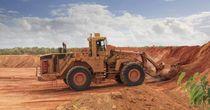
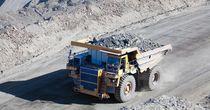
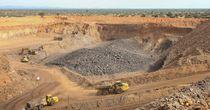
Mining Operations: Open-pit iron ore mines with modern processing facilities, rail infrastructure, and port facilities enabling cost-efficient iron ore production and export.
Customer Base: Sales primarily to Chinese steelmakers and other Asian customers, with some distribution to Indian and other international steelmakers.
Revenue Generation: Iron ore sales represent over 90% of consolidated revenues. The company also generates revenues from shipping, logistics, and other ancillary services.
Green Energy and Hydrogen Development
In recent years, Fortescue has pursued aggressive diversification into clean energy and hydrogen development through subsidiary FFH (Fortescue Future Industries). Key initiatives include:
Renewable Energy Generation: Investment in solar and wind energy projects globally, positioning Fortescue as a renewable energy producer and developer.
Hydrogen Production: Development of green hydrogen production capabilities using renewable electricity, targeting hydrogen production for industrial and transportation applications.
Technology Development: Investment in hydrogen production technologies, fuel cell systems, and other clean energy infrastructure.
International Operations: FFH is pursuing international development projects in green energy and hydrogen, extending Fortescue's geographic footprint beyond iron ore.
Business Model Evolution
Fortescue's business model is transitioning from pure iron ore producer to integrated energy and resources company. Iron ore cash flows fund FFH's investments in green energy and hydrogen, with long-term objective of becoming a significant green energy and hydrogen producer alongside maintaining core iron ore operations.
Industry and Market Outlook 2026
Iron Ore Market Dynamics
Global iron ore demand remains tied to steel production and construction activity, particularly in China. While Chinese construction cycles are moderating, long-term iron ore demand fundamentals remain stable due to global infrastructure development and steel demand from renewable energy and electrification infrastructure. Iron ore prices are expected to remain elevated relative to historical averages, supporting profitable Fortescue operations.
Chinese Steel Production Outlook
China's steel production may moderate from peak levels as construction cycles mature, but absolute production levels are expected to remain substantial. Steel demand from transportation electrification, grid modernization, and other industrial applications will provide underlying demand support.
Hydrogen and Green Energy Market Development
The global hydrogen market is expected to expand substantially as industrial applications, transportation, and energy systems pursue decarbonization. However, hydrogen market development timelines are uncertain, and profitability of hydrogen ventures depends on technology success, cost reduction, and demand realization.
Competitive Dynamics in Green Energy
The green hydrogen sector is attracting substantial capital investment from global energy majors, technology companies, and new entrants. Competition in green hydrogen markets may intensify, creating pressure on returns and technology differentiation.
Iron Ore Cost Pressures
Fortescue faces potential cost inflation from labor, energy, and logistics expenses. The company is managing costs through operational efficiency improvements and cost control initiatives, but sustained inflation could pressure margins.
Technology Innovation
Emerging technologies in hydrogen production, energy storage, and other clean energy applications create both opportunity and disruption risks. Fortescue's ability to invest in emerging technologies and maintain competitive positioning is critical to long-term value creation.
ESG and Sustainability Focus
Mining companies face increasing pressure to demonstrate environmental and social responsibility. Fortescue's investments in renewable energy and hydrogen production align with ESG investor preferences and provide potential competitive advantages in attracting ESG-focused capital.
Key Market Catalysts
Iron Ore Spot Price Movements
As a highly leveraged iron ore producer, Fortescue is highly sensitive to iron ore price movements. Changes in spot prices directly and materially impact cash flow and shareholder returns.
Quarterly Production and Cost Updates
Quarterly operational reports detailing production volumes, unit costs, and operational efficiency drive investor sentiment. Guidance updates regarding future production and profitability attract significant attention.
FFH (Green Energy Subsidiary) Milestone Achievements
Announcements regarding renewable energy project completions, hydrogen production milestones, or FFH business development progress represent important catalysts for longer-term investors.
Strategic Partnerships in Green Energy
Announcements of strategic partnerships, joint ventures, or technology collaborations in green energy and hydrogen could represent transformative catalysts for FFH.
Dividend Policy Changes
Announcements regarding dividend levels, special dividends, or capital return programs can significantly impact equity valuations as investors adjust expectations regarding shareholder returns.
Acquisition or Strategic Transactions
Fortescue has demonstrated willingness to pursue strategic acquisitions to enhance operational capabilities or expand into new markets. M&A announcements could represent significant catalysts.
Technology Breakthroughs
Breakthroughs in hydrogen production technology, cost reduction, or market applications could significantly enhance FFH's commercial potential and equity valuation.
Is Fortescue a Good Investment?
Bull Case for Investors
Several compelling arguments support investment in Fortescue:
Pure-Play Iron Ore Leverage: As the world's largest independent iron ore producer, Fortescue provides direct leverage to iron ore prices and global steel demand. During periods of strong iron ore prices, Fortescue generates exceptional cash flows and shareholder returns.
Operational Excellence: Fortescue operates with world-class operational efficiency and cost control. The company's Pilbara operations are among the most cost-efficient iron ore producers globally.
Management Quality: Andrew Forrest and Fortescue's management team have demonstrated exceptional operational execution and strategic vision. Management quality is a key competitive advantage.
Green Energy Positioning: FFH provides forward-looking exposure to clean energy and hydrogen development, aligning with long-term energy transition trends and attracting ESG-focused investors.
Strong Cash Generation: Iron ore operations generate substantial operational cash flows funding FFH investments while maintaining consistent dividends.
Strategic Optionality: Fortescue retains flexibility to adjust capital allocation between iron ore investments, dividends, and green energy spending based on opportunities and market conditions.
Attractive Valuation: At current price levels, Fortescue offers compelling valuations relative to cash flow generation and dividend yields on normalized iron ore prices.
Bear Case and Risk Factors
However, material risks warrant consideration:
Iron Ore Price Dependency: Over 90% of revenues derive from iron ore sales, creating extreme sensitivity to iron ore price movements. Sustained low iron ore prices could materially reduce profitability and dividends.
Chinese Demand Risk: Approximately 50% of Fortescue's revenues derive from Chinese customers, creating significant geographic concentration risk. Slowdown in Chinese construction and steel demand could severely impact Fortescue.
Green Energy Investment Returns: Substantial capital commitments to green energy and hydrogen development may fail to generate targeted returns. Hydrogen market development may occur slower than anticipated, or technology may prove uncompetitive.
Capital Allocation Questions: Some investors question whether massive green energy capital investments represent optimal allocation of capital relative to alternative shareholder return mechanisms.
Commodity Price Cyclicality: Iron ore prices are highly cyclical, and extended periods of low prices could materially reduce profitability and dividends.
Execution Risk: Green energy projects involve technical, regulatory, and market risks. Project delays or failures could negatively impact value creation and reduce investor confidence.
Competitive Pressures: Fortescue faces competition from other iron ore producers and emerging competition in green energy from larger global energy companies with greater resources.
Verdict for Different Investor Types
Commodity and Cycle Investors: Fortescue represents an attractive holding for investors comfortable with commodity price cycles seeking leverage to iron ore prices and global steel demand.
Income Investors: The company's strong dividend yield and commitment to returning cash to shareholders make Fortescue attractive for income-focused strategies, with the caveat that dividends are iron ore price dependent.
Growth and ESG Investors: FFH's green energy and hydrogen development initiatives appeal to ESG-focused and growth-oriented investors seeking exposure to energy transition trends.
Balanced Portfolios: Fortescue serves a valuable role in balanced portfolios, providing commodity exposure, strong operational execution, and attractive dividend yields.
Conservative Investors: The stock's extreme sensitivity to commodity prices may exceed risk tolerance for highly conservative investors preferring stable, predictable returns.
What Is the Outlook for Fortescue?
Short-Term Outlook (Next 3-6 Months)
Near-term performance will be driven by iron ore price movements and quarterly operational execution. If iron ore prices stabilize or recover, the stock should appreciate toward $16-17 levels. The company is likely to maintain its dividend at current levels. Quarterly reports will attract investor attention, with focus on cost control and production metrics.
Medium-Term Outlook (6-18 Months)
Over 12-18 months, Fortescue should maintain strong iron ore cash generation while advancing green energy project development. FFH business development progress will attract increasing investor attention. The company may announce strategic partnerships or major green energy milestones. Management focus on shareholder returns should support equity valuations.
Long-Term Outlook (18+ Months)
The long-term outlook for Fortescue remains constructive despite iron ore price cycles. The company's position as the world's lowest-cost iron ore producer provides structural advantage for long-term profitability. FFH's green energy development, if successful, creates potential for transformative value creation beyond traditional iron ore operations. The company's commitment to shareholder returns should support long-term equity performance.
Reasonable Price Target Range: Professional analysts project 12-month price targets in the $16.50-19.00 range, suggesting 14-31% upside from current levels.
Key Takeaways for Investors
- Iron Ore Price Drives Near-Term: Fortescue is essentially a leveraged play on iron ore prices. Near-term performance will be heavily influenced by iron ore spot price movements.
- Today's Pullback Reflects Commodity Cycle: The 5% decline reflects normal commodity price volatility and broader mining sector weakness rather than fundamental deterioration in operational excellence or strategy.
- Strong Operational Execution: Fortescue operates with world-class efficiency and cost control, enabling profitable operations across a range of iron ore price scenarios.
- Dividend Support: The company's strong cash generation and management focus on shareholder returns support consistent dividend payments and potential special distributions.
- Green Energy Optionality: FFH provides longer-term strategic optionality and growth exposure beyond traditional iron ore, appealing to growth-oriented investors.
- ESG Positioning: Investments in renewable energy and hydrogen align with ESG trends and could support longer-term investor appeal.
- Valuation Support: At current prices, Fortescue offers compelling valuations relative to cash flow generation and dividend yields.
Frequently Asked Questions
Q1: What are the primary risks to Fortescue's dividend?
The primary dividend risk is iron ore price decline. If iron ore prices fall and remain depressed for extended periods, profitability and cash flow generation could decline, forcing dividend reductions. Additionally, poor returns on FFH green energy investments could necessitate reduced shareholder distributions. Chinese demand slowdown represents an additional risk factor affecting revenues and profitability.
Q2: How much of Fortescue's revenue comes from China?
Approximately 50% of Fortescue's iron ore sales are destined for Chinese steelmakers. This creates significant revenue concentration risk to Chinese demand cycles. Slowdown in Chinese construction or steel production could materially reduce Fortescue's profitability.
Q3: What is Andrew Forrest's vision for FFH?
Andrew Forrest envisions FFH becoming a major global green hydrogen and renewable energy producer, eventually rivaling traditional energy majors in scale and impact. He believes green hydrogen will play a critical role in global decarbonization and that Fortescue can leverage its capital base and operational expertise to become a leading player in this emerging industry.
Q4: Is FFH likely to become profitable?
FFH's profitability depends on successful technology development, cost reduction, and market demand realization. While the long-term hydrogen market opportunity is substantial, near-term profitability is uncertain. FFH is likely to remain a net cash consumer for several years before approaching profitability.
Q5: What would cause Fortescue to significantly increase dividends?
Sustained increases in iron ore prices combined with strong operational performance and successful FFH development would likely trigger increased dividend distributions. The company prioritizes returning cash to shareholders and would likely increase distributions if profitability improved materially.
Investment Disclaimer
This article is provided for informational purposes only and does not constitute financial advice, investment recommendation, or an offer to buy or sell securities. The information contained herein is based on publicly available sources believed to be accurate as of the publication date (March 6, 2026) but is subject to change without notice. Past performance is not indicative of future results. Stock prices and market conditions are subject to significant volatility and may change materially.
Investors should conduct their own due diligence, consult with qualified financial advisors, and carefully evaluate their risk tolerance before making investment decisions. All equity investments carry risk of loss, including potential total loss of capital. Investors should not rely solely on this article when making investment decisions and should consider their complete financial situation, investment objectives, and risk tolerance.
The author and publisher assume no responsibility for errors, omissions, or inaccuracies in the information provided. Investment in ASX-listed securities carries regulatory, market, and company-specific risks that should be thoroughly understood before committing capital.
Article Date: March 6, 2026
Stock Price Referenced: $14.50 AUD
Price Change: Approximately -5%

 Mar 12, 2026
 Please wait processing your request...