
 CA
 NZ
 UK
 US
 IND

 AU

 Share
 X (Formerly Twitter)
 Whatsapp
 Facebook
 LinkedIn
 Telegram
 Email This Article
 Copy Link
 Summarize with AI
 Chat GPT
 Perplexity
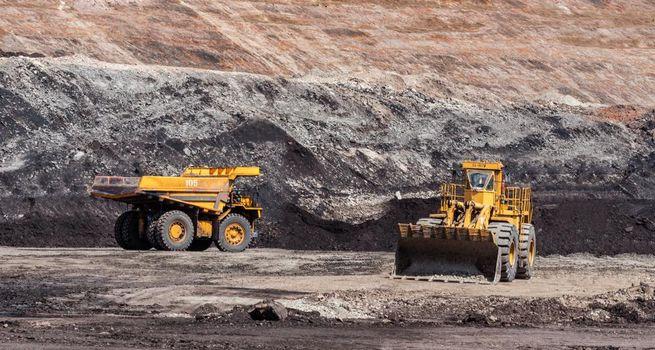
Zinc is a bluish-white, slightly brittle metal that ranks as the fourth most widely used metal in the world, behind iron, aluminium, and copper. Global annual production sits at approximately 13 million tonnes. The metal is mined on every inhabited continent, with the largest deposits found in China, Australia, and Peru.
The primary industrial application for zinc is galvanising steel. Roughly half of all refined zinc produced globally is used to coat steel and iron products, protecting them from corrosion and extending their useful life by decades. Beyond galvanising, zinc is essential in die-casting alloys used in automotive parts, electronics housings, and hardware. It serves as a key ingredient in brass and bronze production, plays a role in chemical manufacturing through zinc oxide and zinc sulphate compounds, and is increasingly explored as a component in next-generation battery technologies, particularly zinc-ion and zinc-air batteries.
The zinc spot price is quoted daily on the London Metal Exchange (LME) and serves as the global benchmark for zinc trading. As of mid-April 2026, the LME zinc price stood at approximately USD 3,330 per tonne, reflecting a one-year return of around 27 per cent, a meaningful recovery from the lows seen in early-to-mid 2025.
For investors, zinc occupies an interesting position in the commodity spectrum. It is not a precious metal and does not carry the safe-haven appeal of gold. Nor is it a headline-grabbing battery metal like lithium or cobalt. Instead, zinc is a workhorse industrial commodity whose demand is tied directly to construction activity, infrastructure spending, and manufacturing output. This makes ASX zinc stocks a way to gain exposure to global economic cycles, particularly growth in urbanisation and industrialisation across Asia, India, and emerging economies.
The Australian Zinc Stock Landscape
Australia has a long and established history in zinc production. The country is one of the world's top three zinc-producing nations, home to world-class deposits such as Mount Isa, McArthur River, Dugald River, and the historically significant Century Mine. Major global miners including Glencore, South32, and MMG operate large-scale zinc assets on Australian soil.
The ASX hosts a diverse range of companies with some form of zinc exposure. These span the full spectrum from globally significant diversified miners to micro-cap exploration-stage ventures. Understanding where each company sits on that spectrum is essential for anyone researching the sector.
The companies listed on Market Index's ASX zinc companies page, the source universe for this guide, include 35 ASX-listed entities. They can be broadly grouped into several categories.
Major diversified miners such as BHP Group (BHP) and South32 (S32) have zinc as one component within a much larger commodity portfolio. For these companies, zinc revenue may represent a relatively small fraction of total group earnings, but the scale of their operations means they still contribute meaningfully to global zinc supply.
Established or emerging producers include companies like Aurelia Metals (AMI), Polymetals Resources (POL), and Westgold Resources (WGX, though primarily a gold producer). These companies either currently produce zinc concentrate or have recently commenced or restarted production operations.
Developers represent companies that have identified zinc resources, completed feasibility or scoping studies, and are working toward production. Terramin Australia (TZN), Altamin (AZI), AuKing Mining (AKN), and Sabre Resources (SBR) fall into this group, though each is at a different stage of advancement.
Explorers make up the largest single category. Companies such as Albion Resources (ALB), Flynn Gold (FG1), Metals Australia (MLS), Zinc of Ireland (ZMI), Bellavista Resources (BVR), and many others are engaged in drilling, geochemical surveying, and geological modelling to define zinc or polymetallic resources. These are typically early-stage, higher-risk ventures.
Peripheral or secondary zinc exposure describes companies where zinc is not the main business focus but appears somewhere in the project portfolio. This includes companies primarily targeting gold, copper, lithium, rare earths, or other commodities where zinc mineralisation has been encountered as a secondary element.
Finally, non-mining zinc exposure is represented by Advance ZincTek (ANO), a company that manufactures zinc oxide formulations for skincare and pharmaceutical applications rather than mining zinc ore.
This guide covers every company on the Market Index ASX zinc companies list. For each, it examines the nature and degree of zinc exposure, the status of key projects, the jurisdiction and geography involved, and the major risks and opportunities, all based on publicly disclosed information.
Zinc Market Overview
Industrial Uses of Zinc
Zinc's importance to the global economy is often underestimated. Its applications extend across virtually every sector of heavy industry, construction, and manufacturing.
Galvanising remains the dominant end-use, consuming approximately 50 per cent of all refined zinc produced each year. The hot-dip galvanising process involves immersing steel in a bath of molten zinc, creating a metallurgical bond that forms protective iron-zinc alloy layers. This dramatically extends the lifespan of steel used in construction beams, roofing materials, guardrails, telecommunications towers, bridges, and other infrastructure. The galvanising process is both cost-effective and environmentally efficient, as galvanised steel is fully recyclable.
Die-casting and alloys account for a further significant share of zinc demand. Zinc-based alloys, particularly the Zamak family of alloys, are widely used in automotive components, door hardware, electronic housings, and precision-engineered parts. These alloys offer excellent castability, dimensional stability, and corrosion resistance at relatively low cost.
Brass and bronze production consumes a meaningful portion of zinc output. Brass — an alloy of copper and zinc — is used in plumbing fittings, electrical connectors, musical instruments, and decorative applications. Bronze, which also incorporates zinc, finds use in marine hardware and bearings.
Zinc chemicals including zinc oxide and zinc sulphate serve the rubber, ceramics, paint, agriculture, and pharmaceutical industries. Zinc oxide, for example, is a key ingredient in tyre manufacturing, sunscreen formulations, and animal feed supplements.
Emerging battery applications represent a growing area of interest. Zinc-ion and zinc-air battery technologies are being researched and developed as potential alternatives to lithium-ion batteries for certain stationary storage and grid-scale applications. While still nascent, this demand channel could become more significant over the coming decade.
Zinc Prices and Mining Equities
The relationship between the LME zinc price and ASX zinc mining shares is direct but not uniform. When zinc prices rise, companies that produce or are close to producing zinc generally benefit through improved revenue margins. Explorers and developers may also see share price uplift as higher commodity prices improve the theoretical economics of their projects and make it easier to attract funding.
However, the sensitivity of each company's share price to movements in zinc varies considerably. A major diversified miner like BHP or South32, where zinc is a small percentage of group revenue, will be far less affected by a 10 per cent move in the zinc price than a single-asset zinc developer whose entire valuation rests on one project's economics.
For smaller companies, share prices are often driven more by exploration results, drilling announcements, feasibility study outcomes, and funding news than by day-to-day commodity price movements. Sentiment and speculative trading also play a larger role in the micro-cap and nano-cap end of the market.
As of mid-April 2026, the LME zinc price was approximately USD 3,330 per tonne, with a one-year return of about 27 per cent. This represents a recovery from the sub-USD 2,600 levels seen in April 2025 and is broadly supportive for the sector. Industry analysts have noted that the global zinc market remained relatively tight through 2025, with a small supply deficit, though some forecasters anticipate a shift toward surplus conditions in the second half of 2026 as new smelting capacity comes online, particularly in China.
Major Supply and Demand Drivers
Demand drivers for zinc are closely tied to construction and infrastructure activity. Urbanisation in China and India, large-scale government infrastructure programmes (including India's National Infrastructure Pipeline, ASEAN transport corridors, and US infrastructure legislation), and the global expansion of renewable energy installations all require significant quantities of galvanised steel.
Automotive manufacturing and the growing adoption of electric vehicles also contribute to zinc demand through both traditional galvanising and die-casting applications. Industrial zinc chemical consumption continues to grow steadily alongside global economic expansion.
Supply drivers include mine production volumes, smelter capacity, and concentrate availability. China is the world's largest zinc producer and refiner, accounting for roughly one-third of global mine output. Peru, Australia, India, and the United States round out the top five producing nations. Disruptions at major mines, as well as planned closures and new project commissioning, can shift the supply balance materially.
Australia's own mine output has faced some pressure from closures, including the wind-down of certain operations, though this is partially offset by restarts and new developments such as the Century Mine tailings reprocessing operation.
Key Risks in the Zinc Sector
Investors considering ASX zinc stocks should be aware of several categories of risk.
Commodity price volatility is inherent in all mining investments. Zinc prices are influenced by global economic conditions, Chinese industrial activity, speculative positioning on the LME, and shifts in supply-demand fundamentals. Prices can move sharply in either direction.
Cost inflation has been a persistent challenge across the mining industry. Rising costs for energy, labour, equipment, and consumables can erode margins even when commodity prices are favourable. This is particularly relevant for smaller producers and developers with limited ability to absorb cost overruns.
Project delays are common in mining. Feasibility studies, environmental approvals, community consultation processes, and construction timelines frequently take longer than initially anticipated. For developers and explorers, delays can extend the time to first revenue and increase the capital required to reach production.
Permitting and regulatory risk varies by jurisdiction. Projects in Australia generally benefit from a well-established regulatory framework, but approvals can still be lengthy and contentious, particularly where Indigenous heritage, environmental sensitivity, or water management issues are involved. Projects in overseas jurisdictions such as Algeria, Greenland, Namibia, Tunisia, or Ireland carry additional layers of regulatory, political, and sovereign risk.
Funding risk is particularly acute for junior miners and developers. Moving a zinc project from exploration through feasibility to construction and production typically requires tens or hundreds of millions of dollars. Small companies often rely on equity raisings, joint venture partnerships, or debt facilities to fund this progression, and there is no guarantee that financing will be available on acceptable terms.
Operational risk encompasses everything from underground mining safety and metallurgical performance to water management, tailings storage, and supply chain logistics. Even established producers face operational challenges that can affect production volumes and costs.


 Nov 13, 2026





 Please wait processing your request...