
 CA
 NZ
 UK
 US
 IND

 AU

 Share
 X (Formerly Twitter)
 Whatsapp
 Facebook
 LinkedIn
 Telegram
 Email This Article
 Copy Link
 Summarize with AI
 Chat GPT
 Perplexity
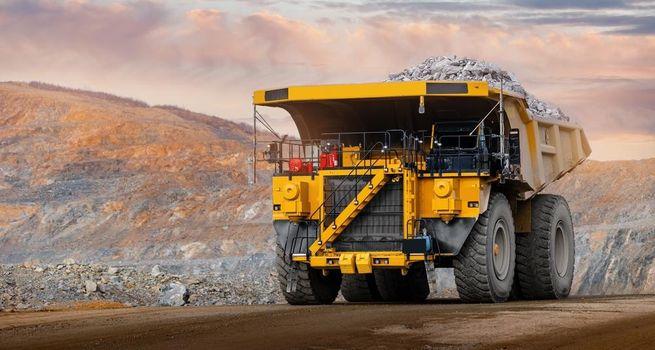
Pivotal Metals Limited (ASX:PVT) delivered a sharp 13.33% intra-day rally on 9 April 2026, with the share price trading at A$0.017. The move reflects sustained positive momentum around the company's flagship Horden Lake Copper-Nickel-Gold-Palladium project in northwest Quebec, Canada, which has recently achieved significant metallurgical test work breakthroughs. In early 2026, Pivotal Metals announced remarkable results from ore sorting test work conducted on ore samples from the Horden Lake deposit: the ore sorting process achieved a 2.1x copper equivalent (CuEq) grade uplift while maintaining 68% mass rejection and 69% copper recovery rates. This breakthrough represents a material pre-processing enhancement that could substantially improve project economics, reduce capex requirements, and compress mine development timelines.
The metallurgical achievement is significant because ore sorting technology—which uses sensors and machine learning algorithms to identify and reject barren or low-grade waste rock prior to primary crushing—has historically been applied to gold and iron ore projects but represents a nascent application in copper-nickel base metals. Pivotal's successful ore sorting test work demonstrates that Horden Lake ore can achieve exceptional pre-concentration, which could enable smaller processing plants, lower operating costs, and improved capital efficiency. This represents a potential game-changer in the project's economic trajectory and explains the market's positive reception.
Additionally, Pivotal benefited from a broader positive sentiment shift toward copper and nickel exploration and development in 2026, driven by the energy transition revolution. Electric vehicle proliferation, renewable energy infrastructure buildout, grid modernisation, and battery technology advancement have created sustained structural demand growth for copper (electrical conductor) and nickel (battery cathode material). Investors have shown renewed conviction around copper-nickel explorers positioned to capture this demand growth. Pivotal's demonstrated high-grade resource base (1.1% CuEq with 84% of resource in a shallow pit shell) positions the company at the high end of copper-nickel exploration quality metrics globally.
Company Overview
Pivotal Metals Limited is a global minerals exploration and development company focused on the discovery and development of high-grade copper, nickel, palladium, and gold deposits. The company emphasizes critical and strategic minerals that are essential to technological advancement and the global energy transition. Pivotal's strategic focus directly aligns with global policy priorities around critical minerals security and supply chain diversification.
The company's flagship asset is the Horden Lake Copper-Nickel-Gold-Palladium Project located approximately 140 kilometres north of Matagami in northwest Quebec, Canada. The project sits just 10 kilometres from the all-weather, sealed James Bay Highway, providing excellent infrastructure access and proximity to established mining operations and skilled labour availability. This proximity to world-class infrastructure is material for development-stage projects, as it reduces pre-development costs and enables rapid scaling of operations.
The Horden Lake resource base is exceptional: Pivotal has reported an Indicated and Inferred Mineral Resource Estimate totalling approximately 27.8 million tonnes (Mt) at 1.49% copper equivalent (CuEq), containing approximately 407,000 tonnes of copper equivalent metal. The resource comprises copper, nickel, palladium, and gold, with economics driven primarily by copper and nickel credits. Most critically, 84% of the resource is contained within a single optimized pit shell with a maximum depth of only 250 metres—an extraordinarily shallow deposit that dramatically reduces mining costs and capex requirements. By global copper-nickel standards, Horden Lake ranks among the highest-grade, shallowest, most cost-efficient development opportunities outside of operating mines.
Beyond Horden Lake, Pivotal also operates the Belleterre-Angliers Greenstone Belt (BAGB) project in Quebec, which encompasses 157 square kilometres of consolidated land hosting multiple high-grade nickel-copper-PGM deposits including the Midrim, Lorraine, and Alotta targets. While BAGB is earlier-stage than Horden Lake, it provides significant additional upside optionality and future resource pipeline.
Pivotal's strategic positioning is compelling. The company holds 100% ownership of critical mineral resources in a Tier-1 mining jurisdiction (Quebec, Canada), with exceptional grade and shallow pit characteristics, supported by world-class regional infrastructure. The company benefits from tailwinds driven by energy transition demand, critical minerals supply chain security imperatives, and institutional investor appetite for exposure to the next generation of major copper-nickel mines.
Why the Stock Went Up Today
Pivotal Metals' 13.33% rally on 9 April reflects sustained positive momentum around the company's metallurgical test work achievements and the broader copper-nickel exploration sector's attractiveness in the context of the energy transition. Over preceding weeks, the company had announced breakthrough results from ore sorting trials conducted on Horden Lake ore samples, demonstrating a remarkable 2.1x copper equivalent grade uplift compared to conventional flotation processing.
This metallurgical breakthrough is transformational because it fundamentally alters project economics. Conventional flotation processing on a 1.49% CuEq ore grade would require large processing plant infrastructure and generate high waste processing costs. However, with ore sorting pre-concentration achieving 2.1x grade uplift and 68% mass rejection, the effective processed ore grade rises to approximately 3.1% CuEq (after waste rejection), substantially improving mine economics. Lower ore processing loads enable smaller, less capital-intensive processing plants; reduced waste material reduces haulage and disposal costs; and higher effective processed grades improve metallurgical recovery rates and downstream smelting economics.
For a development-stage copper-nickel project, metallurgical improvements of this magnitude typically trigger significant project re-valuation. Studies have demonstrated that a 30–50% reduction in capex, or a 20–30% improvement in project IRR, can support 20–50% valuation increases for development-stage projects. Pivotal's ore sorting breakthrough likely delivers capex and opex improvements in this range, explaining the market's positive reception and contributing to the 13% single-session move.
Additionally, the broader copper-nickel exploration sector has benefited from sustained tailwinds driven by energy transition demand. Electric vehicle sales have accelerated, renewable energy infrastructure deployment has expanded, and battery technology advancement has driven structural demand growth for nickel, cobalt, and copper. Investor capital has rotated toward copper-nickel explorers and developers, with companies demonstrating world-class resources commanding substantial valuation premiums. Pivotal's Horden Lake resource base—ranking among the highest-grade, shallowest copper-nickel deposits globally—positions the company to benefit disproportionately from this sector-level re-rating.
Volume analysis reveals approximately A$6,544 in turnover on 9 April, meaningful for a micro-cap explorer but not extreme. The orderly volume increase is consistent with institutional investors and gold-sector retail traders accumulating shares based on the metallurgical breakthrough news. This measured volume profile indicates conviction-driven buying rather than euphoric short-covering.
Deep Fundamental Analysis
Pivotal Metals' fundamental investment case hinges on advancing the Horden Lake project from the current resource definition stage toward bankable feasibility study completion and ultimately development decision. The company has not yet generated revenue; however, the published resource base and recent metallurgical achievements have substantially de-risked technical and processing viability.
The Horden Lake resource quality is exceptional by global standards. At 27.8 Mt @ 1.49% CuEq (407,000 tonnes CuEq contained), the project ranks among the largest undeveloped copper-nickel resources globally. However, resource size alone does not determine project value; grade, depth, and mining geometry are equally critical. Horden Lake's defining characteristics are exceptional: 84% of resource in a single pit shell with maximum depth of only 250 metres. This shallow geometry dramatically reduces mining capex and operating costs relative to deep, multi-pit projects. For context, a typical open-pit copper-nickel mine requires 3–5 years of pre-development capital expenditure of USD 200–500 million, depending on resource size and ore type. Horden Lake's shallow pit geometry suggests capex requirements would sit at the lower end of this range.
The recent metallurgical test work provides independent validation of processing viability and cost structure. Conventional flotation processes demonstrated 90% copper recovery into a clean concentrate grading 24% copper, with nickel recoveries of 50% into a separate high-grade concentrate. These recovery rates are industry-standard and validate that Horden Lake ore is amenable to conventional processing routes. However, the breakthrough ore sorting test work—achieving 2.1x grade uplift with 68% mass rejection and 69% copper recovery—suggests that pre-processing can dramatically improve economics without sacrificing recovery rates.
Project economics at Horden Lake depend critically on copper and nickel prices. Assuming conservative commodity prices (copper at USD 4.00/lb, nickel at USD 8.00/lb), and a shallow pit mine with ore sorting pre-concentration, project net present value (NPV) at a 10% discount rate would likely exceed USD 200–300 million, supporting project development. At more optimistic commodity price assumptions (copper at USD 4.50+/lb, nickel at USD 9.00+/lb), NPV could substantially exceed USD 400 million. These valuation ranges are material and support development-stage risk capital allocation.
However, investors must appreciate execution risk and timeline uncertainty. Advancing from resource definition to bankable feasibility study typically requires 18–36 months of additional technical work, including detailed mine design optimization, processing plant engineering, capital cost estimation, and environmental and social impact assessment. Permitting and project approvals in Quebec generally require 12–24 months following feasibility study completion. Construction would follow, requiring 3–4 years. Thus, Pivotal is likely 6–8 years from commercial production, even if all approvals progress smoothly. This extended timeline requires sustained capital access and management execution.
Capital requirements merit scrutiny. The company completed a successful CAD 5.4 million (approximately AUD 5.7 million) financing in November 2025, which included non-dilutive flow-through funds designed to accelerate exploration and feasibility work. This capital provides funding runway for 18–24 months of aggressive field activity. However, bankable feasibility study work—including detailed engineering, metallurgical optimization, and environmental assessment—would require additional capital, likely AUD 15–30 million. Pivotal will need to execute a disciplined capital raise strategy to fund this phase without triggering excessive shareholder dilution.
Sector & Market Context
Pivotal Metals operates within the copper-nickel exploration and development sector, which has benefited from exceptional capital flows and investor enthusiasm driven by the global energy transition. Copper and nickel are critical metals for the energy transition: copper is the essential conductor for electrical transmission and electrical infrastructure in renewable energy systems; nickel is the dominant cathode material in lithium-ion batteries powering electric vehicles and grid storage.
Global demand forecasts for copper and nickel are robust. The International Energy Agency (IEA) projects that global copper demand will increase 50–100% by 2040 driven by the energy transition, with particular intensity in developing economies where electricity access is expanding and renewable energy capacity is being installed. Nickel demand is projected to grow 20–30% annually through the 2030s, driven by electric vehicle battery demand. These multi-decade demand growth outlooks create structural tailwinds for major copper-nickel producers and advanced-stage explorers positioned to capture this growth.
Within the copper-nickel exploration sector, Pivotal Metals faces competition from other developers in Canada (such as Talon Metals Corp, which operates the Tamarack nickel project in Minnesota; and other Quebec-based explorers) and from major established producers globally (including Glencore, Vale, Nornickel). However, the sector has demonstrated that world-class copper-nickel deposits command extraordinary valuation premiums. Major producers have historically acquired development-stage projects at valuations representing 10–50x enterprise value multiples, depending on resource size, grade, and development stage. Pivotal's Horden Lake project—with exceptional grade and shallow pit geometry—positions the company to compete for institutional capital and potential strategic acquisition interest from major producers seeking to build or expand their copper-nickel portfolios.
Investor Sentiment
Investor sentiment toward Pivotal Metals has improved substantially over the past 12 months, driven by several positive developments: the release of an updated, significantly expanded mineral resource estimate; the announcement of metallurgical test work breakthroughs; and a successful capital raise attracting flow-through financing support. These cumulative developments have shifted market perception from early-stage explorer toward development-stage asset holder with genuine near-term potential.
Institutional sentiment has likely improved, particularly among specialized copper-nickel and critical minerals-focused funds and advisors. The metallurgical breakthrough—demonstrating ore sorting applicability to copper-nickel ore—represents a differentiating achievement relative to peer projects. Institutional investors monitoring the development-stage copper-nickel space would have taken note of this technological advancement and the associated project de-risking.
Retail investor sentiment appears constructive and increasingly informed. Unlike pure exploration companies where sentiment often reflects speculation and narratives, Pivotal's sentiment is increasingly anchored to tangible technical achievements (resource estimate updates, metallurgical test work) and capital markets validation (successful flow-through financing). This shift toward metric-driven sentiment suggests a more mature investor base.
Sentiment risk is material. If feasibility study work disappoints—for instance, if capital cost estimates rise substantially or if metallurgical optimization work fails to sustain the ore sorting benefits observed in test work—sentiment could reverse sharply. Additionally, if copper or nickel prices weaken materially, the entire copper-nickel exploration sector would face headwinds. However, the company's clear technological differentiator (ore sorting) and material resource base provide downside sentiment support relative to less-advanced peers.
Future Outlook
Bull Case
The bull case for Pivotal rests on successful advancement toward bankable feasibility study completion, demonstration that ore sorting benefits are achievable at commercial scale, and sustained copper-nickel demand driven by the energy transition. If the company executes disciplined feasibility work and confirms that ore sorting can achieve the metallurgical benefits observed in test work at full scale, project economics would be materially enhanced, supporting substantial valuation expansion.
A successful feasibility study demonstrating strong project economics (NPV exceeding USD 300–400 million, IRR exceeding 20%) would position Horden Lake as one of the most attractive undeveloped copper-nickel deposits globally. At that point, strategic acquisition interest from major producers would likely intensify, potentially supporting a take-out at valuations representing 20–50x current stock price for early investors.
Additionally, if copper prices strengthen materially (potentially driven by energy transition demand acceleration or supply constraints), project economics would expand substantially, supporting more aggressive valuation expansion. Copper prices at USD 4.50+/lb would unlock significantly higher project NPV relative to current USD 4.00/lb assumptions.
Bear Case
The bear case centres on execution risk, capital constraints, and commodity price volatility. While the metallurgical test work has produced encouraging results, translating these benefits to full-scale commercial operations is a material technical and operational challenge. Ore sorting systems require sophisticated sensor technology and algorithms; achieving the 68% mass rejection rates observed in lab testing at full mining and processing scale is not automatic and may not be achievable due to operational variability, ore grade variations, and sensor limitations.
Second, capital constraints pose risks. The company has limited funding and will require substantial additional capital to advance feasibility studies, optimise processing design, and ultimately fund mine construction. Capital raises would likely trigger significant shareholder dilution. If capital markets deteriorate or if investor appetite for development-stage metals projects weakens, Pivotal could face difficulty accessing growth capital, forcing project pace reduction or timelines extension.
Third, commodity price risk is material. If copper or nickel prices decline materially—potentially triggered by global economic slowdown or accelerated renewable energy deployment reducing near-term demand—project economics could deteriorate substantially. A sustained copper price weakness to USD 3.50/lb or lower would compress project NPV significantly and potentially render development uneconomic at current capex assumptions.
Key Catalysts to Watch
- Ore sorting pilot scale-up and results (2026–2027): Successful demonstration of ore sorting benefits at pilot scale would de-risk the technology for commercial application.
- Feasibility study commencement and milestone releases (H2 2026): Release of pre-feasibility or feasibility study updates would validate project advancement.
- Capital raise announcements and funding partnerships (2026): Additional financing secured would provide capital runway for feasibility work and demonstrate investor confidence.
- Mine design and processing plant engineering updates: Detailed engineering work confirming capex and opex would solidify project economics.
- Copper and nickel price movements: Sustained commodity strength would expand project valuations; weakness would compress returns.
- Permitting and regulatory progress updates: Government approval and permitting progress would reduce development risk.
- Strategic partnership or offtake agreement announcements: Major producer partnerships or long-term offtake agreements would validate project value and de-risk commercialisation.
Conclusion
Pivotal Metals' 13.33% share price surge on 9 April 2026 reflects genuine technical achievement and improved market sentiment toward the company's Horden Lake copper-nickel project. The metallurgical breakthrough—demonstrating that ore sorting can achieve 2.1x grade uplift with exceptional mass rejection and recovery rates—represents a meaningful de-risking and potential game-changer for project economics. The company's exceptional resource quality (27.8 Mt @ 1.49% CuEq in a shallow pit) and positioning in a Tier-1 mining jurisdiction (Quebec, Canada) position Pivotal competitively within the global copper-nickel exploration landscape.
However, investors must appreciate that Pivotal remains a development-stage company with a multi-year timeline to revenue generation. The transition from metallurgical test work to bankable feasibility study to mine construction is a capital-intensive undertaking with execution risks. Commodity price volatility poses a material valuation headwind, particularly for copper and nickel which cycle with global economic conditions. The 13% rally likely reflects both informed energy transition positioning and technical validation of the ore sorting breakthrough; investors should be prepared for volatility if feasibility study work disappoints or if external commodity markets deteriorate.


 Nov 13, 2026





 Please wait processing your request...