
 CA
 NZ
 UK
 US
 IND

 AU

 Share
 X (Formerly Twitter)
 Whatsapp
 Facebook
 LinkedIn
 Telegram
 Email This Article
 Copy Link
 Summarize with AI
 Chat GPT
 Perplexity
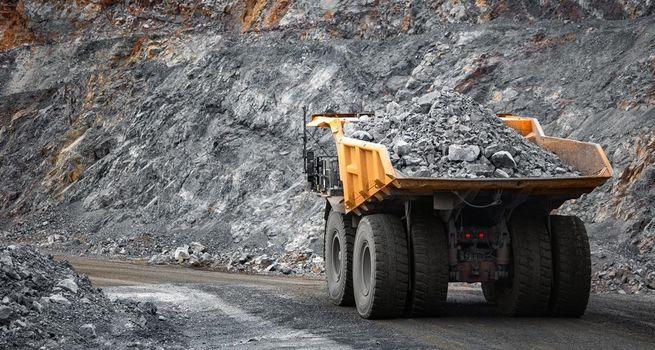
Latitude 66 Limited (ASX:LAT) is an ASX-listed minerals exploration company with strategic focus on gold and base metals exploration in Arctic and sub-Arctic regions. The company operates in the materials sector, providing exposure to precious metals and base metals exploration activities.
On April 2, 2026, Latitude 66 announced a trading halt, signaling pending material announcements or corporate developments. Trading halts typically precede significant news regarding financing, exploration results, strategic partnerships, or major corporate actions.
This comprehensive investment analysis examines Latitude 66's exploration portfolio, Arctic market positioning, technical capabilities, exploration strategy, risks, and suitability for materials sector investors. The analysis provides detailed assessment relevant to ASX investors interested in gold and base metals exploration exposure.
Latitude 66 Limited is an ASX-listed gold exploration company focused on developing high-quality gold deposits in Finland, one of Europe's most geologically prospective regions for precious metals. The company's strategic positioning reflects growing international demand for responsibly sourced gold, Scandinavia's reputation for strong governance and environmental standards, and Finland's favorable geology and infrastructure supporting mining operations. With global gold prices elevated relative to historical levels and demand for ethical sourcing increasingly important to major jewelry and investment organizations, Finland-based gold exploration companies are well-positioned to attract capital and development partnerships.
Latitude 66 recently announced a trading halt, typically signaling significant corporate developments warranting market communication. Trading halts precede announcements regarding capital raises, strategic partnerships, project acquisitions, merger or acquisition discussions, or material updates to exploration results and resource estimates. The trading halt announcement underscores material corporate activity affecting shareholder value and investment decisions.
This comprehensive analysis examines Latitude 66 Limited's investment case by evaluating its Finnish gold exploration projects, resource estimates, strategic positioning, regulatory environment, and suitability for exploration-stage investors. The assessment considers both the significant gold exploration potential in Finland and the material risks inherent to exploration-stage mining companies operating in frontier regions.
Company Overview
Latitude 66 Limited focuses on minerals exploration in Arctic and sub-Arctic regions with emphasis on gold and base metals discoveries. The company operates in the materials sector, specifically in mineral exploration, a critical early-stage activity that precedes commercial production.
Exploration companies identify mineral resources through geological surveys, drilling programs, and technical analysis. Successful exploration leads to resource definition and potential advancement toward development and production.
Arctic and sub-Arctic exploration regions offer unique opportunities including emerging geological understanding, potential for undiscovered deposits, and frontier geology. These regions have historically produced significant mineral discoveries and remain partially underexplored.
Latitude 66's strategic positioning in Arctic exploration reflects management's belief in the region's mineral potential and the company's technical capabilities to execute Arctic exploration programs. Arctic operations present unique logistical and technical challenges including remote locations, permafrost conditions, and short operating seasons.
The ASX listing provides Latitude 66 with capital access for exploration programs while operating under governance standards and transparent reporting requirements.
Latitude 66 Limited operates as an ASX-listed gold exploration company focused on defining and developing mineral resources in Finland. Gold exploration in Finland benefits from Europe's strong regulatory framework, sophisticated mining infrastructure, stable geopolitical environment, and prospective geology containing known gold deposits. The company's exploration strategy involves staking mineral claims in prospective areas, conducting systematic geological surveys and drilling programs to define mineral resources, and evaluating project economics for eventual development.
Finland's position as a gold exploration frontier region reflects combination of favorable geology, limited existing mining infrastructure development, and strong government support for responsible resource development. Scandinavian jurisdictions have established reputations for stringent environmental standards, Indigenous consultation processes, and transparent permitting frameworks. These characteristics make Finland attractive for international gold companies seeking to develop deposits in stable, well-regulated jurisdictions.
Gold exploration economics depend on deposit size and grade, deposit location and infrastructure requirements, metal prices, and projected development and operating costs. High-grade deposits located near existing infrastructure and capable of supporting economic mining at current or higher gold prices represent prime targets. Latitude 66's Finnish projects must demonstrate sufficient geological merit and economic potential to attract development capital and eventually support mining operations.
The gold sector attracts exploration companies through combination of high precious metal prices, investor interest in precious metal exposure, and potential for substantial value creation from discovery of economic deposits. Major mining companies pursuing M&A strategies actively seek exploration-stage companies with quality advanced-stage projects or discovered deposits. Successful exploration results can attract significant corporate interest and support strategic transactions.
Latest ASX Announcement
On April 2, 2026, Latitude 66 announced a trading halt on the ASX. Trading halts prevent share trading when companies have material information that requires disclosure but needs preparation time for market release.
Trading halts protect market integrity by preventing trading while material information asymmetries exist. They are commonly requested prior to significant announcements including exploration results, financing arrangements, corporate transactions, or strategic developments.
Latitude 66's trading halt suggests the company is preparing material announcements or completing pending transactions. Investors should monitor ASX announcements for disclosure of the trading halt reason and details.
For exploration companies like Latitude 66, trading halts often precede exploration result announcements, resource estimate updates, financing completions, or strategic partnership announcements. Each represents potential value-creating catalysts.
Latitude 66 announced a trading halt on ASX, indicating pending material announcements. Trading halts serve regulatory purposes ensuring market fairness and preventing trading on material non-public information. The timing and context of Latitude 66's trading halt suggest significant corporate developments under discussion. Upon lifting, announcements may relate to financing arrangements, strategic partnerships, exploration results, or project development milestones.
Trading halts in the exploration sector frequently precede announcements of drilling results, resource estimate updates, strategic partnerships with larger mining companies, or financing arrangements supporting exploration programs. Positive announcements such as upgraded resource estimates or strategic partnerships typically create upward stock price pressure, while negative announcements may create downward pressure. Material information released upon halt lifting significantly impacts investor valuations.
The duration and resolution of the trading halt provide important information. Extended trading halts suggest complex negotiations or significant information requiring careful coordination. Ultimately, the announcement details determine whether developments create shareholder value or represent challenges requiring strategic responses. Investors should carefully monitor ASX announcements upon halt lifting for material information affecting valuations.
Historically, trading halts in gold exploration companies have preceded both positive developments (successful capital raises, strategic partnerships, upgraded resource estimates) and challenging announcements (project delays, disappointing exploration results, financing challenges). Fundamental analysis of Latitude 66's exploration portfolio and competitive positioning remains relevant regardless of the specific announcement, though material information released may significantly impact near-term prospects.
Investment Thesis
Latitude 66 presents an investment opportunity in minerals exploration with several supporting factors.
First, Arctic and sub-Arctic exploration regions represent frontier geology with potential for significant mineral discoveries. These regions remain partially underexplored and offer discovery potential.
Second, gold exploration maintains investor interest due to gold's characteristics as a safe-haven asset and hedge against inflation. Gold demand from jewelry, electronics, and investment sectors remains robust.
Third, base metals including copper, nickel, and zinc experience strong secular demand growth driven by electrification and renewable energy infrastructure. Supply constraints support favorable price forecasts.
Fourth, successful exploration can result in substantial value creation through resource definition and potential commercial development.
Fifth, Latitude 66's trading halt suggests material developments pending, potentially including exploration results or strategic announcements that could impact valuation.
Sixth, first-mover advantages in Arctic regions could provide significant value if Latitude 66 identifies substantial mineral deposits.
Latitude 66 Limited represents an investment opportunity in gold exploration, benefiting from elevated gold prices, Scandinavian jurisdictional advantages, prospective Finnish geology, and international demand for responsibly sourced precious metals. The primary investment thesis rests on discovery potential in Finland, strategic positioning in a stable jurisdiction with favorable mining environment, and potential for significant value creation from discovery of economic deposits.
Second, gold exploration markets reward discovery of large, high-grade deposits capable of supporting economic mining operations. While exploration failure rates are high, successful discoveries can create substantial shareholder value through project development, strategic partnerships, or acquisition by larger mining companies. Investors must accept substantial exploration risk while appreciating substantial upside potential from successful discoveries.
Third, Finland's jurisdiction characteristics provide comparative advantages over frontier mining regions. Strong regulatory framework, sophisticated mining infrastructure, environmental reputation, and political stability create favorable conditions for responsible mining development. Companies developing deposits in favorable jurisdictions attract development capital more readily and can achieve higher valuations than equivalent deposits in jurisdictions with weaker governance.
Fourth, gold prices elevated relative to historical levels support exploration project economics. Higher gold prices reduce breakeven costs for marginal deposits and increase the scale of economic deposits. Higher precious metal prices support stronger exploration budgets and improve project economics, increasing probability of successful exploration projects achieving development economics at current or higher gold prices.
Financial Analysis
Latitude 66's financial profile reflects characteristics of exploration-stage minerals companies with emphasis on resource definition rather than production.
Exploration companies typically operate with significant cash burn during exploration phases. Key financial metrics include exploration expenditure, cash reserves, burn rate, and capital efficiency in achieving exploration objectives.
Latitude 66's ability to fund exploration programs depends on available capital, financing capacity, and exploration spending discipline. Exploration companies require ongoing capital raises to fund programs.
Cash position and available funding determine the company's ability to advance exploration activities and define resources. Available capital runway is critical for exploration companies.
Exploration success metrics including drilling results, resource estimates, and technical achievements indicate progress toward value creation.
Investors evaluating Latitude 66 should monitor exploration spending efficiency, cash position, exploration results, and capital raising activities.
Latitude 66's financial profile reflects characteristics typical of junior gold exploration companies. The company does not generate revenue from mining operations and instead incurs costs related to exploration activities, geological surveys, drilling programs, environmental assessments, and corporate administration. Negative cash flows during exploration phases necessitate capital raises through equity offerings, debt financing, or strategic partnerships to fund operations.
Exploration-stage companies require disciplined capital management and clearly articulated exploration budgets aligned with planned activities. Investors should evaluate cash burn rates relative to cash positions, capital efficiency of exploration spending, progress toward resource estimate milestones, and adequacy of capital for planned exploration programs. Exploration companies demonstrating disciplined capital management and clear milestone achievements maintain investor confidence and support access to capital markets.
Key financial metrics for evaluating Latitude 66 include cash position and runway relative to planned exploration budgets, capital efficiency of exploration spending, progress toward resource estimate definition, drill results quality and pace, and management's technical capability. Investors should scrutinize quarterly reports for exploration progress, drilling results, and capital allocation decisions. Regular mineral resource estimate updates demonstrate progress toward defining economic mineral deposits.
As exploration activities advance toward resource definition and feasibility assessment, financial analysis should incorporate estimates of potential ore body scale, assumed commodity prices, projected development capital requirements, and potential operating economics. Prospective financial analysis of potential mining operations, while uncertain, helps investors evaluate value creation magnitude and informs assessments of risk-adjusted exploration returns relative to capital invested.
Key Growth Drivers
Several factors support potential growth and value creation for Latitude 66.
First, successful exploration results including significant mineral discoveries drive substantial valuation increases and potential development opportunities.
Second, resource estimates and mineral deposit definitions increase value by quantifying discovered resources.
Third, Arctic exploration success attracts investor interest and analyst coverage, supporting valuation expansion.
Fourth, base metals demand growth from electrification and renewable energy creates favorable market conditions for base metals discoveries.
Fifth, gold prices and precious metals demand support investor interest in gold exploration.
Sixth, potential strategic partnerships with larger mining companies or development financing could accelerate project development.
Seventh, Arctic exploration opportunities becoming better understood could increase investor interest in Arctic mineral exploration.
Discovery of significant gold deposits represents the fundamental growth driver for exploration companies. Successful exploration programs defining large, high-grade gold deposits create substantial shareholder value through increased resource estimates and enhanced project development potential. Disciplined exploration programs with clear drilling targets, quality geological knowledge, and systematic resource definition methodology maximize discovery probability.
Second, rising gold prices enhance exploration project economics and investment returns. Higher gold prices increase deposit economic potential by reducing breakeven costs and improving project returns. Gold price appreciation provides favorable backdrop for exploration companies as projects become economic at lower ore grades and smaller deposit sizes than previously assumed.
Third, strategic partnerships with major mining companies create value and provide development capital. Major mining companies pursuing acquisition strategies actively seek exploration-stage companies with quality deposits or advanced projects. Strategic partnerships may involve earnin arrangements, financing support, or joint development agreements accelerating project development timelines.
Fourth, favorable government policies supporting responsible mining development create exploration-friendly environments. Government initiatives promoting sustainable mining practices, reducing permitting timelines, or supporting critical minerals and precious metals development enhance exploration conditions. Finland's supportive mining policies and infrastructure development create favorable conditions for exploration advancement.
Risk Factors
Investment in Latitude 66 carries significant material risks.
Exploration risk is fundamental. Exploration success is uncertain, and programs may fail to discover economic mineral deposits. Most exploration programs do not reach commercial production.
Capital and financing risk includes dependence on raising capital to fund exploration. Failed capital raises or high-cost financing could impair exploration programs.
Commodity price risk affects valuations and project economics. Gold and base metals price declines reduce project value and development economics.
Regulatory and permitting risk in Arctic regions includes environmental approvals, indigenous land rights, and political factors affecting exploration and development.
Technical risk includes execution of exploration programs and achieving technical objectives. Arctic operations present logistical and technical challenges.
Market risk includes investor sentiment toward exploration companies and Arctic exploration. Sentiment fluctuates with commodity prices and market conditions.
Liquidity risk affects ASX trading and share price stability.
Geopolitical risk in Arctic regions could affect long-term development prospects.
Exploration risk represents the most material risk to Latitude 66. Mineral exploration is inherently uncertain, with majority of exploration projects failing to discover economic deposits. Exploration programs may reveal lower mineral concentrations than expected, unfavorable metallurgical characteristics, challenging mining geometries, or geological complexity increasing development costs and reducing economic viability. Continued exploration failure would create total loss risk for shareholders.
Commodity price volatility represents a significant risk factor. Gold prices are subject to macroeconomic cycles, central bank policy, currency movements, and speculative investment flows. Sustained gold price declines could impair project economics and reduce investor interest in exploration companies. Lower gold prices reduce number of deposits meeting economic thresholds and may force companies to deprioritize or abandon exploration projects.
Capital market and financing risks affect exploration company operations. Exploration companies depend on capital market access to fund operations. Rising interest rates, investor risk aversion, or sector-specific headwinds could constrain financing availability and increase capital costs. If Latitude 66 cannot raise capital as required, the company may be forced to reduce exploration programs, reduce activities, or pursue unfavorable strategic alternatives.
Regulatory and permitting risks warrant careful consideration. While Finland has favorable mining regulatory environment, permitting timelines remain uncertain. Environmental regulations, Indigenous Sámi community consultation requirements, and local community opposition could delay or prevent project development. Changes in mining regulations or environmental standards could increase operating costs or restrict development potential.
Valuation Discussion
Valuing exploration-stage minerals companies like Latitude 66 requires specialized frameworks accounting for exploration uncertainty.
Exploration company valuations often employ success-probability-adjusted approaches, applying probability estimates to potential resource values.
Comparable company analysis examines peer exploration company valuations at similar development stages and with comparable asset quality.
Asset-based valuations estimate the value of mineral resources based on contained metal, potential grades, and location factors.
Market-based valuations reflect ASX trading multiples and investor sentiment regarding exploration companies and commodity sectors.
For exploration companies, valuation uncertainty is substantial. Professional expertise in mineral valuation is essential.
Exploration-stage mining companies require valuation methodologies distinct from operating mines. Traditional discounted cash flow analysis of future mining operations applies limited value to exploration-stage companies with no assured production. Instead, investors employ comparable company analysis, sum-of-the-parts valuation, and probability-adjusted resource models.
Comparable company analysis examines trading multiples for similar gold exploration and junior development-stage companies, adjusting for resource estimates, deposit location, development stage, and geology quality. ASX-listed gold explorers provide reference points for valuation benchmarking, though material differences in asset quality, geographic positioning, and management capability justify valuation variations.
Net present value approaches estimate economic value of mineral deposits under exploration, risk-adjusted for probability of successful development and commercialization. This methodology requires assumptions regarding resource quantity and grade, extraction economics, commodity prices, capital requirements, and probability-weighted development timelines. Sensitivity analysis reveals valuation ranges under different commodity price and success scenarios.
Sum-of-the-parts analysis sums valuations across multiple exploration projects held by the company, reflecting portfolio approach to exploration risk. Companies with diversified exploration portfolios across multiple geographic regions or deposit types reduce idiosyncratic exploration risk through portfolio diversification. Multiple high-quality exploration projects provide more resilient valuations than single-project companies.
Market Sentiment and Analyst Outlook
Market sentiment regarding minerals exploration companies fluctuates significantly based on commodity prices and exploration developments.
Gold exploration sentiment generally remains supportive given gold's safe-haven characteristics and jewelry demand.
Base metals exploration sentiment has strengthened given electrification and renewable energy infrastructure demand.
Arctic exploration sentiment reflects investor perception of Arctic resource potential and region-specific risks.
Latitude 66's trading halt may precede developments that influence sentiment including exploration results, financing announcements, or strategic partnerships.
Market sentiment toward exploration companies is sensitive to commodity prices, exploration results, and investor risk appetite.
Market sentiment regarding gold exploration companies reflects changing gold price expectations, macroeconomic outlook, and assessments of exploration sector attractiveness. Bull market periods characterized by elevated gold prices, economic uncertainty supporting precious metal demand, and abundant venture capital drive strong investor interest in gold explorers. Bear periods featuring lower gold prices, economic growth expectations, and risk aversion create downward pressure on gold exploration valuations.
Analyst research coverage of gold exploration companies provides professional investment perspectives. Analysts model gold price assumptions, evaluate deposit quality and development potential, assess management execution, and estimate valuations through comparable company analysis and net present value methodologies. Analyst consensus reflects balancing of long-term gold demand drivers against commodity price cyclicality and company-specific risks.
Institutional investor interest in precious metals exploration has increased as investors seek inflation hedges and portfolio diversification. Superannuation funds, alternative asset managers, and diversified investors maintain allocations to gold sector exposure. However, sentiment remains cyclical and sensitive to gold price movements, macroeconomic developments, and company-specific exploration results.
Central bank policies and monetary developments significantly influence gold market sentiment. Expectations regarding interest rates, inflation, and currency strength affect gold prices and investor demand for precious metal exposure. Major central bank announcements regarding policy directions create sentiment shifts affecting gold exploration valuations. Investors should monitor macroeconomic developments and central bank communications affecting gold prices and exploration sector valuations.
Investor Suitability
Latitude 66 may be suitable for certain investor profiles with specific risk profiles and objectives.
Growth-oriented investors with long-term horizons and high risk tolerance may find minerals exploration companies suitable as concentrated positions in diversified portfolios.
Commodity-focused investors and sector specialists may include exploration companies in minerals portfolios.
However, Latitude 66 is generally unsuitable for conservative, income-focused, or low-risk-tolerance investors. Exploration companies carry very high risk of capital loss.
Investors considering Latitude 66 should ensure adequate diversification, understanding of exploration sector dynamics, and capacity to sustain losses.
Latitude 66 Limited represents a suitable investment for sophisticated investors with very high risk tolerance, extended investment horizons, and portfolio capacity to absorb potential total loss. Gold exploration companies face substantial failure risks, with majority of junior explorers failing to achieve commercial production or remaining perpetually in exploration phases. Investors must have strong conviction regarding exploration success potential and realistic appreciation of material exploration risks.
Investors seeking exposure to precious metals as portfolio hedges or macro hedges may find gold exploration companies attractive, though more liquid alternatives (bullion, mining company equities, ETFs) may better serve diversification objectives. Investors with specialized knowledge regarding gold markets, geology, or mining may identify exploration opportunities that broader investor bases miss.
Conservative investors and income-focused investors should likely avoid Latitude 66 unless taking very small satellite positions. Exploration-stage companies are unsuitable for investors nearing retirement, requiring near-term capital access, or holding low risk tolerance. Investors in superannuation or retirement accounts should carefully consider whether exploration equity positions align with investment timelines and risk parameters.
Professional investors evaluating Latitude 66 should assess geological team expertise, deposit quality, exploration strategy, management track record in exploration, capital adequacy for exploration programs, and realistic paths toward successful resource discovery and commercialization. Success in gold exploration requires world-class geology, skilled exploration execution, and effective capital stewardship.
Conclusion
Latitude 66 Limited represents an exploration-stage minerals company focused on Arctic and sub-Arctic gold and base metals exploration. The April 2, 2026 trading halt signals pending material announcements that could significantly impact the investment case.
Arctic exploration opportunities offer potential for significant mineral discoveries given frontier geology and underexplored regions. Successful exploration could create substantial shareholder value.
However, Latitude 66 carries very high execution and capital risk inherent in minerals exploration. Exploration success is uncertain, and funding requirements are substantial.
Latitude 66 is suitable only for growth-oriented investors with long-term horizons, high risk tolerance, and proper portfolio diversification. Conservative, income-focused, and low-risk-tolerance investors should avoid the company.
Investors considering Latitude 66 should understand minerals exploration sector dynamics, Arctic-specific challenges, commodity price exposure, and capital requirements. Professional financial advice is essential.
Success depends on exploration achievements, capital availability, commodity prices, and regulatory progress. Continued monitoring of ASX announcements and exploration results is critical for investors.
Latitude 66 Limited offers investment exposure to gold exploration in Finland, leveraging Scandinavian jurisdictional advantages, prospective geology, and favorable regulatory environment. The company's focus on Finnish gold exploration positions it to participate in discovering and developing high-quality gold deposits in a stable, well-regulated jurisdiction attractive to responsible mining investors.
The investment thesis rests on discovery potential in Finland, jurisdictional advantages supporting development and commercialization, elevated gold prices supporting exploration project economics, and substantial value creation potential from successful mineral discoveries. Trading halts and material announcements warrant careful monitoring as they may signal significant developments affecting near-term prospects.
However, material risks including exploration failure probability, commodity price volatility, capital market access constraints, and regulatory challenges must be carefully weighed. Exploration-stage companies face high failure rates and require disciplined capital management, strong geological expertise, and successful discovery execution to overcome inherent challenges and create shareholder value.
Latitude 66 represents a highly speculative opportunity requiring exceptional conviction regarding exploration success potential, realistic risk assessment, and appropriate portfolio sizing. Investors should maintain active monitoring of exploration results, drilling outcomes, capital management, and macroeconomic developments affecting gold prices and exploration sector sentiment. This investment is suitable only for investors with very high risk tolerance and long-term investment horizons.
Latitude 66 Limited offers well-positioned exposure to gold exploration in Finland, leveraging Scandinavian jurisdictional advantages, prospective geology, and favorable regulatory environment supporting responsible mining development. The company's focus on Finnish gold exploration positions it to participate in discovering and developing high-quality gold deposits in a stable, well-regulated jurisdiction increasingly attractive to responsible mining investors seeking ESG-compliant operations.
The investment thesis rests on discovery potential in Finland's prospective geology, jurisdictional advantages supporting development and commercialization of discoveries, elevated gold prices supporting exploration project economics, and substantial value creation potential from successful mineral discoveries. Trading halts and material announcements warrant careful monitoring as they may signal significant developments affecting near-term prospects and medium-term strategy.
However, material risks including exploration failure probability (majority of exploration projects fail to discover economic deposits), commodity price volatility reflecting macroeconomic cycles, capital market access constraints affecting exploration funding, and regulatory/permitting challenges must be carefully weighed. Exploration-stage companies require disciplined capital management, clear pathways toward commercial viability, and competent technical and commercial teams to overcome inherent challenges and create shareholder value.
Latitude 66 represents a highly speculative opportunity requiring exceptional conviction regarding exploration success potential in Finnish geology, realistic risk assessment, and appropriate portfolio sizing relative to overall risk tolerance. Investors should maintain active monitoring of exploration results, drilling outcomes, capital management, macroeconomic developments affecting gold prices, and exploration sector sentiment shifts.
Only investors with very high risk tolerance, extended multi-year investment horizons, and genuine belief in Finnish gold exploration merit and Latitude 66's ability to execute should consider positions. This investment is fundamentally unsuitable for conservative investors, those requiring near-term returns, or investors unable to tolerate total loss possibilities. Exploration-stage investors must approach positions with realistic expectations and appropriate risk management.


 Nov 13, 2026





 Please wait processing your request...