
 CA
 NZ
 UK
 US
 IND

 AU

 Share
 X (Formerly Twitter)
 Whatsapp
 Facebook
 LinkedIn
 Telegram
 Email This Article
 Copy Link
 Summarize with AI
 Chat GPT
 Perplexity
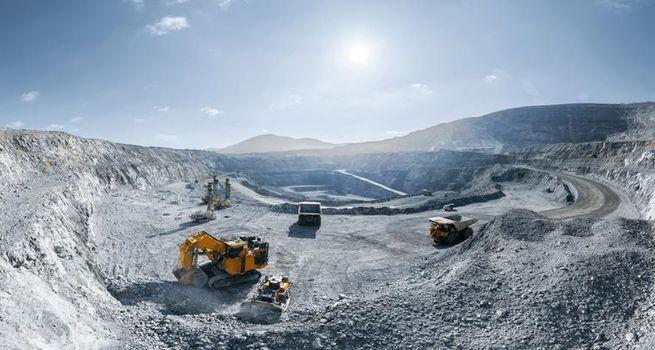
Coronado Global Resources represents a significant player in the metallurgical coal market, operating multiple mining operations including Curragh in Queensland's Bowen Basin and Buchanan and Logan mines in the United States. The company's business model depends on stable commodity prices and reliable operational execution, yet recent quarters have exposed vulnerabilities in both areas. Production shortfalls in the December quarter, combined with commodity price pressures and safety-related operational disruptions, have created a challenging financial environment that threatens the company's debt repayment capacity and long-term viability.
Metallurgical coal markets have become increasingly volatile due to shifting energy policies, reduced power generation demand from coal, and structural shifts toward renewables and alternative energy sources. Coronado's business model depends on achieving production targets consistently while managing commodity price fluctuations that create substantial earnings volatility. The recent 3.39% share price decline to 28 cents reflects investor concerns regarding the company's ability to navigate current market challenges and maintain financial stability.
The December quarter production shortfall of below guidance represents material operational miss that raises questions about management's ability to forecast and control operations reliably. Combined with suspension of the Mammoth mine following fatalities, the Coronado story has shifted from straightforward commodity producer to company facing simultaneous production challenges, safety issues, and commodity price headwinds. Understanding the drivers behind today's share price decline requires examining both company-specific operational challenges and broader metallurgical coal market dynamics.
For investors, Coronado represents exposure to metallurgical coal production with substantial leverage to commodity prices and operational execution. The combination of production shortfalls, safety-related mine suspensions, adverse commodity price dynamics, and extreme Queensland royalty burdens has created significant near-term uncertainty about the company's financial position and debt repayment capacity. The shift in debt maturity expectations from 2029 to 2031 based on commodity price assumptions indicates deteriorating financial flexibility.
Share Price Movement Summary
Coronado Global Resources shares declined approximately 3.39% to trade around 28 cents during the afternoon trading session on 14 April 2026, reflecting continued investor concern regarding recently disclosed operational challenges, production shortfalls, and commodity price pressures affecting the company's financial position. The share price decline, combined with commodity price volatility affecting broader mining sector, indicates meaningful reassessment of Coronado's financial stability and debt repayment capacity. The extent of the share price decline suggests that market participants view recent developments as material to investment thesis.
The modest but meaningful 3.39% decline occurs in context of broader mining sector weakness, suggesting Coronado-specific factors beyond sector-wide dynamics are driving share price performance. Production shortfalls, mine safety issues, and debt repayment concerns create company-specific headwinds that differentiate Coronado from other mining companies. Investors appear to be pricing significant financial distress risk into current share prices.
Trading volumes likely reflected moderate selling by investors reassessing risk-reward profile, with some forced selling from overleveraged investors if the company represents significant position in their portfolios. Share price volatility may continue as investors await clarification of production recovery prospects, mine reopening timelines, and updated financial guidance from management. The shift in debt repayment expectations to 2031 from 2029 signals substantially diminished financial flexibility.
Main Reasons for Share Movement
December Quarter Production Shortfall and Operational Challenges
Coronado Global Resources reported production in the December quarter that fell below guidance, representing material operational miss that raises questions about management's ability to forecast operations and deliver against commitments. Production shortfalls in mining operations can reflect multiple factors including geological challenges, equipment failures, processing bottlenecks, or operational inefficiencies that undermine management credibility. The magnitude of the shortfall suggests substantial operational challenges rather than minor variance from forecast.
Production shortfalls directly impact revenue and cash generation, reducing the company's ability to service debt and fund operations. A production miss likely translates into USD$20-30 million in lost revenue depending on commodity prices and production volumes, creating meaningful impact on cash position and debt servicing capacity. Management must clarify whether shortfalls reflect temporary operational issues or structural constraints affecting future production capacity.
The combination of production shortfalls with subsequent mine suspension creates substantial negative momentum for investor confidence in operational execution. Investors appropriately view production misses as warning signals that underlying operational challenges may be more severe than initially apparent. Clarification regarding whether Coronado can recover to forecast production levels is critical to restoring investor confidence.
Mammoth Mine Suspension and Safety-Related Disruptions
Coronado suspended operations at the Mammoth mine following fatalities, representing serious safety incident that has created operational disruption and reputational damage. Mining fatalities are extremely serious events that trigger comprehensive safety investigations, operational audits, and potential regulatory penalties. Mine suspensions following safety incidents can extend for extended periods as companies implement remedial actions and satisfy regulatory requirements for operational resumption.
The Mammoth mine suspension creates direct production loss from the temporarily offline facility, compounding challenges from existing operational shortfalls. Timeline for operational resumption remains uncertain, as safety investigations and remedial actions can require months to complete. Extended suspension would create substantial financial impact, as the company loses production volume without corresponding cost reduction.
Safety-related mine suspensions create reputational damage that can persist beyond operational resumption, potentially affecting relationships with customers, regulators, and employees. Customers may reassess supplier reliability, potentially shifting orders to competitors with better safety records. Regulatory relationships become more difficult following serious safety incidents, requiring enhanced compliance and reporting protocols.
Commodity Price Deterioration and Cash Burn Dynamics
Metallurgical coal prices have deteriorated below USD$200 per ton, creating cash burn dynamics where production costs exceed realized revenues per ton, forcing the company into losses on each ton produced. This cash burn environment creates existential risk for companies dependent on commodity prices for financial viability, as operating losses consume cash reserves and prevent debt service. Prices below cost of production are unsustainable long-term, creating pressure to reduce production volumes or incur substantial losses.
The deterioration of commodity prices below cost of production creates immediate financial stress, forcing management to make difficult choices regarding production levels, workforce adjustment, and capital spending. Companies facing cash burn may be forced to raise capital at unfavorable terms or restructure debt obligations. The shift in expected debt maturity from 2029 to 2031 reflects management's updated assessment that commodity prices will remain depressed longer than previously anticipated.
Metallurgical coal price recovery remains uncertain, as structural shifts toward decarbonization and reduced steel production from coal-intensive regions constrain long-term demand for metallurgical coal. Even if short-term prices recover, long-term structural trends suggest limited upside to coal prices globally. Coronado's financial viability depends on either sustained commodity price recovery or substantial reduction in production costs.
Company Background and Asset Portfolio
Coronado Global Resources operates as an integrated metallurgical coal producer with mining operations in Australia and the United States, providing exposure to two major developed markets with distinct regulatory and operational environments. The company's Curragh mine in Queensland's Bowen Basin represents a world-class mining asset with substantial reserves and established operational infrastructure. The Buchanan and Logan mines in the United States provide geographic diversification and exposure to North American coal markets.
Metallurgical coal represents a critical input to global steel production, with limited geographic sources of high-quality metallurgical coal creating structural supply constraints. Coronado's Bowen Basin operations produce premium quality metallurgical coal valued by steelmakers globally. The combination of established reserves, premium coal quality, and established distribution relationships provides substantial competitive advantages relative to marginal producers.
The company's management team includes experienced coal mining professionals with extensive track records in operational management and market navigation. Coronado's operational history demonstrates the ability to manage large-scale mining operations and maintain production at scale. However, recent operational challenges suggest that existing management may be facing unprecedented combination of market and operational headwinds.
Coronado's customer base includes major global steelmakers and coal consumers, creating exposure to global steel production trends and demand dynamics. Changes in global steel production, alternative steel production methods, or shifts in steelmaker geographic location create demand variability that affects Coronado's revenue and profitability. The company's financial stability depends on maintaining production volumes and market share amid fluctuating global demand.
Latest Developments and Financial Challenges
Coronado reported December quarter production shortfalls of below guidance, representing material miss that affects revenue, cash generation, and debt servicing capacity. The magnitude of the shortfall suggests operational challenges requiring management attention and corrective action. Investors await clarification regarding whether shortfalls represent temporary variance or structural operational constraints.
The Mammoth mine suspension following fatalities creates serious operational disruption and creates uncertainty regarding production recovery timeline. Mine safety investigations can require weeks to months, delaying operational resumption until regulatory approval obtained. Extended suspensions create substantial financial impact, compounding existing production shortfall challenges.
Metallurgical coal prices have deteriorated to levels where production costs exceed realized revenues, creating cash burn dynamics threatening financial stability. Management has adjusted debt repayment expectations to 2031 from 2029, indicating substantially diminished financial flexibility and deteriorating financial position. The shift in debt timing reflects management's assessment that commodity prices will remain depressed for extended periods.
Coronado faces extreme Queensland mining royalties that create additional cost burden compared to coal producers in other jurisdictions. Queensland royalties are calculated as percentage of gross revenues or value of extracted minerals, creating substantial fixed-percentage costs that compress profitability during periods of commodity price weakness. The company may have limited ability to reduce Queensland royalties regardless of financial circumstances.
Industry and Market Context
Global metallurgical coal markets are experiencing structural headwinds from multiple simultaneous factors including decarbonization policies reducing coal consumption, alternative steel production methods reducing metallurgical coal demand, and shifting global steel production toward lower-carbon processes. These structural trends suggest that long-term demand for metallurgical coal will remain constrained regardless of near-term price recovery. Companies dependent on coal production face challenging long-term outlooks despite near-term commodity price volatility.
Metallurgical coal prices have experienced substantial volatility over recent years, ranging from highs exceeding USD$350 per ton to lows below USD$100 per ton. This price volatility creates substantial earnings volatility for producers, making financial planning and debt service management difficult. Coronado's debt structure becomes problematic when commodity prices decline below breakeven levels, creating cash burn that threatens debt repayment capacity.
Global steelmakers continue shifting production toward electric arc furnace routes and lower-carbon production methods that reduce metallurgical coal demand. Government policies promoting decarbonization in major steel-producing countries create structural headwinds for coal consumption. These policy trends appear likely to persist regardless of commodity price changes, creating long-term demand headwinds.
Bowen Basin coal operations face some of the highest production costs among global metallurgical coal producers due to extreme Queensland royalty burdens, geographically remote operations, and labor cost inflation. Coronado's cost structure makes the company vulnerable to commodity price declines, as production becomes unprofitable at lower price points. Cost reduction options remain limited due to regulatory requirements and market labor rates.
Thermal coal markets have experienced even more severe structural decline than metallurgical coal, as global policies increasingly restrict coal-based power generation. This structural decline in thermal coal demonstrates potential long-term trajectory for metallurgical coal, suggesting that demand pressures may persist over multi-year horizons. Coronado's diversification into metallurgical coal provides some protection relative to thermal coal producers, though structural headwinds remain.
Key Risks to Monitor
Commodity price risk represents the most significant financial threat, as metallurgical coal prices below USD$200 per ton create cash burn dynamics threatening financial stability. Extended periods of depressed prices could force Coronado into unsustainable losses or debt restructuring. Commodity price recovery remains uncertain given structural demand headwinds from decarbonization and alternative steel production methods.
Debt repayment risk escalates as cash generation declines due to production shortfalls and low commodity prices, potentially forcing debt restructuring or refinancing at unfavorable terms. The shift in expected debt maturity from 2029 to 2031 reflects substantially diminished financial flexibility. If commodity prices remain depressed beyond 2031, additional debt restructuring may be required.
Production recovery risk emerges from Mammoth mine suspension following fatalities, with uncertain timeline for operational resumption creating ongoing production shortfall. Extended suspension would create substantial financial impact and further deteriorate cash position. Management must transparently communicate estimated recovery timeline and conditions for mine reopening.
Operational execution challenges demonstrated by December quarter shortfalls suggest that management may be facing difficulties maintaining production at planned volumes. Additional operational disruptions, equipment failures, or safety incidents could create further production losses. Investors should monitor operational performance carefully for evidence of systemic issues.
Structural demand decline for coal from decarbonization policies and alternative production methods threatens long-term viability of coal-dependent business models. Even if Coronado survives current commodity price challenges through debt restructuring, structural demand headwinds may limit long-term growth and profitability. Investors should assess whether coal production represents viable long-term business strategy.
What Investors Should Watch Next
Mammoth mine reopening timeline and conditions for operational resumption should be clearly communicated by management. Extended suspension timelines would compound existing financial challenges. Investors should seek detail regarding safety remedial actions and estimated timeline for satisfying regulatory requirements.
Updated production guidance and outlook for subsequent quarters will indicate whether December shortfalls represent temporary variance or structural operational constraints. Management should provide specific commentary regarding corrective actions to improve production stability. Significant guidance reductions would signal deteriorating operational position.
Debt restructuring announcements or refinancing discussions would signal that commodity prices have deteriorated beyond sustainability thresholds. Any announcement of covenant violations or debt renegotiations would indicate serious financial distress. Management should maintain transparency regarding debt servicing capacity and refinancing needs.
Metallurgical coal price recovery or deterioration should be monitored for implications regarding company financial sustainability. Price recovery above USD$200 per ton would improve financial dynamics, while further declines would create additional distress. Management should disclose commodity price assumptions underlying revised guidance.
Conclusion
Coronado Global Resources' 3.39% share price decline to 28 cents reflects justified investor concerns regarding combination of production shortfalls, safety-related mine suspension, commodity price deterioration, and deteriorating financial flexibility. The December quarter production miss of , combined with Mammoth mine suspension and shift in debt maturity expectations to 2031, creates serious financial challenges that threaten the company's ability to maintain current capital structure. Metallurgical coal prices below USD$200 per ton create unsustainable cash burn dynamics.
Coronado faces critical need to restore production to planned levels, recover from Mammoth mine suspension, and navigate extended period of potentially depressed commodity prices. The combination of operational execution challenges, safety issues, and commodity price pressures creates existential risk to current financial structure. Management must provide clear communication regarding Mammoth mine recovery timeline, production improvement plans, and updated financial guidance.
For investors, Coronado represents high-risk investment dependent on commodity price recovery and improved operational execution. The potential for debt restructuring, equity dilution from capital raises, or forced asset sales creates significant downside risk. Only investors comfortable with substantial financial distress risk should maintain exposure at current levels.


 Nov 13, 2026





 Please wait processing your request...