
 CA
 NZ
 UK
 US
 IND

 AU

 Share
 X (Formerly Twitter)
 Whatsapp
 Facebook
 LinkedIn
 Telegram
 Email This Article
 Copy Link
 Summarize with AI
 Chat GPT
 Perplexity
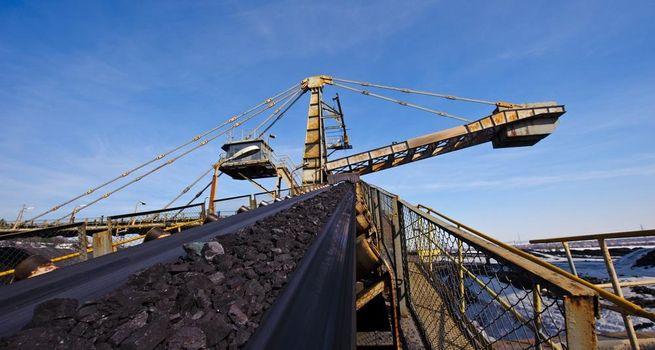
ASX rare earth stocks have become a closely watched theme as investors look for exposure to electric vehicles, Wind Energy, advanced electronics and defence Supply chains. Rare earth elements—especially neodymium, praseodymium, dysprosium and terbium—are essential for the permanent magnets used in EV motors, direct-drive wind turbines, robotics, sensors and military systems. Australia is central to this theme because it offers large resources, Mining expertise, relatively transparent regulation and growing Downstream processing ambitions.
The Investment case is not just about resource abundance. The real opportunity lies in building a non-China supply chain for magnet materials. For years, China has dominated rare earth mining, refining and magnet Manufacturing, leaving automakers, industrial groups and governments exposed to concentration risk. That has pushed global Capital toward Australian projects, especially those able to progress beyond mining into separation, refining or strategic offtake arrangements. As a result, the market increasingly evaluates ASX rare earth stocks on project quality, metallurgy, funding, processing strategy and end-market relevance—not on exploration hype alone.
This article explains what rare earths are, why they matter, how Australia fits into the global supply chain, and which factors matter most when assessing ASX rare earth stocks. It also highlights the main project regions, processing challenges, policy support, key risks and a practical checklist for investors following the sector.
Key takeaways
For investors focused on ASX rare earth stocks, five themes matter most:
- Demand is driven by magnets used in EVs, wind turbines, robotics and defence systems.
- Australia is a strategic alternative source of supply as buyers diversify away from concentrated global processing capacity.
- The best ASX rare earth stories usually combine strong NdPr exposure, credible metallurgy and a realistic processing pathway.
- Processing and refining matter more than simply owning a resource, because value creation sits downstream.
- These stocks can offer high upside, but they also carry material funding, execution, pricing and regulatory risks.
What are rare earth metals?
Rare earths are a group of 17 elements that are not especially rare in the Earth’s crust, but are difficult to extract and separate economically. Their importance comes from unique magnetic, luminescent and electrochemical properties that make them essential in modern technology.
For investors, the distinction between light rare earths and heavy rare earths is important. Neodymium and praseodymium are the key light rare earths used in permanent magnets, while dysprosium and terbium are high-value heavy rare earths used to improve heat resistance in those magnets. The Revenue profile of a project depends heavily on this product mix.
Which rare earth metals are found in Australia?
Australia hosts a broad spread of rare earths, but the market focus is on magnet materials. Neodymium and praseodymium typically drive project Economics because they are the main ingredients in high-performance permanent magnets. Dysprosium and terbium are especially valuable because they improve magnet performance at high temperatures and are harder to source globally. Lanthanum and cerium are often present in larger volumes, but usually contribute less value because they are more abundant and lower priced.
Why rare earths matter to the global economy
Rare earths matter because they sit inside products linked to structural growth and strategic security. A small quantity of rare earth material can determine whether an EV motor, wind turbine generator, industrial robot or military guidance system performs efficiently. That gives these elements disproportionate economic influence and explains why supply concentration, processing capacity and project execution matter so much to Equity investors.
Rare earths and electric vehicles
Electric vehicles are one of the strongest demand drivers for rare earths because most high-performance EVs use permanent magnet motors. These motors rely on NdPr magnets for strong torque, compact size and efficiency. In practical terms, rare earth magnets help automakers improve vehicle range, reduce motor size and support better performance.
Heavy rare earths such as dysprosium and terbium can be used to improve heat resistance in magnets, which matters in demanding operating environments. For ASX rare earth stocks, this means projects with credible exposure to NdPr—and ideally some heavy rare earth potential—often attract stronger strategic interest from end users and investors.
Rare earths and wind turbines
Wind energy is another major long-term demand source. Direct-drive turbines use permanent magnets to improve reliability and reduce maintenance, especially offshore. As countries expand renewable power, this creates an additional structural call on NdPr supply and supports the long-term relevance of Australian rare earth projects.
Rare earths and smartphones, robotics and electronics
Rare earths also support smaller but durable demand across electronics, industrial automation and robotics. They are used in compact speakers, vibration motors, displays, sensors and high-performance motors, reinforcing the view that rare earth demand is not dependent on a single end market.
Rare earths and defence technology
Defence adds a strategic overlay to the investment theme. Rare earths are used in radar, sonar, guidance systems, sensors, lasers and advanced aerospace applications. Because many allied governments want more secure supply chains for defence-related materials, Australian projects can attract policy support and strategic partnerships beyond normal Commodity market dynamics.
Australia’s role in the global rare earths supply chain
Australia’s importance comes from being a reliable source of mined rare earths and a growing centre for downstream processing. The strategic goal is to move from raw concentrate exports toward separated oxides and, over time, deeper participation in the magnet supply chain. For ASX investors, that makes processing milestones, government support and offtake deals as important as resource size.
Major rare earth regions in Australia
Australia’s rare earth opportunities are spread across several regions, each with different geological styles and investment implications.
Western Australia rare earth projects
Western Australia is the most established rare earth Jurisdiction in the country, with major hard-rock deposits and the most advanced operating history. It remains the benchmark region for scale, infrastructure and development Maturity, which is why many investors treat WA Assets as the sector’s core reference point.
Northern Territory rare earth projects
The Northern Territory hosts large, strategically important projects with ambitions to integrate mining and processing. These assets are watched closely because success here could materially expand Australia’s future separated oxide capacity.
South Australia rare earth opportunities
South Australia has drawn attention for clay-hosted rare earth opportunities, especially where projects may offer heavier rare earth exposure. These assets can be appealing, but investors usually place strong emphasis on metallurgy because recoveries and processing routes are critical to project viability.
Queensland rare earth opportunities
Queensland offers a mix of hard-rock, polymetallic and unconventional rare earth opportunities. Some projects benefit from by-product potential or existing regional infrastructure, which may improve economics if technical hurdles can be managed.
ASX-listed rare earth companies investors are watching
ASX rare earth stocks usually fall into three groups: producers, advanced developers and early-stage explorers. Each group offers a different risk-reward profile, and investors should judge them on stage of development, project quality and execution capacity rather than on commodity narrative alone.
Producers are usually seen as the lower-risk end of the theme because they already have operating assets and market relationships. They offer direct Leverage to rare earth pricing, production growth and downstream expansion, though they can still be volatile due to pricing swings and execution risk.
Advanced developers often attract the most attention because they sit in the value-creation zone between discovery and production. In this tier, the market tends to focus on NdPr basket value, metallurgy, capex, approvals, funding structure, offtake agreements and management credibility. Small improvements or setbacks in any of these factors can materially change valuation.
Explorers offer the highest upside but also the highest risk. Early drill results can create excitement, but investors should be cautious unless there is evidence that the mineralisation can be processed economically. In rare earths, geology without metallurgy is not enough.
Why processing and refining are the real battleground
Processing is the decisive issue in rare earth investing. Mining a deposit is only the first step; companies still need to crack, leach, separate and refine the material into saleable oxides. That requires capital, specialist chemical expertise, environmental management and operating discipline. This is why markets often reward projects with proven pilot work and realistic processing plans more than those with large resources but unclear flowsheets.
China, geopolitics and the race to diversify supply
Geopolitics is a major driver of the sector because buyers want to reduce reliance on concentrated rare earth processing and magnet supply. That makes Australia strategically valuable, but it also means prices and project economics can be influenced by policy, trade friction and competitive responses from established suppliers.
Government policy and Australia’s critical minerals strategy
Government policy is helping de-risk the sector through funding support, infrastructure planning and critical minerals strategy. For listed companies, concessional finance, strategic backing and faster pathways to development can materially improve project bankability, especially for processing assets that might struggle to secure purely commercial funding.
International partnerships and the rare earth supply chain
International partnerships are equally important. Strategic links with the US, Japan, Europe and South Korea can provide offtake security, funding and downstream demand. These relationships often help separate the most credible ASX rare earth stories from purely speculative ones.
Rare earths vs lithium, copper, nickel and uranium
Compared with lithium, copper, nickel or uranium, rare earths are a more specialised and less transparent investment theme. The market is smaller, pricing is more opaque and technical risk is higher. But that complexity can also create outsized upside for projects that solve metallurgy, secure funding and reach market at the right time.
Opportunities from Australia’s rare earths boom
The opportunity for Australia is to move up the value chain and capture more value through refining, technology partnerships and regional industrial development. For investors, that means upside can come not only from mining success, but also from processing expansion, strategic contracts and stronger market positioning within a diversified rare earth supply chain.
Key risks facing rare earth projects
- Pricing risk: rare earth prices are opaque and can be highly volatile.
- Metallurgical risk: a resource is only valuable if it can be processed economically.
- Funding risk: capex can be large, especially for downstream projects.
- Permitting and ESG risk: radioactive by-products, waste handling and approvals can delay or derail projects.
- Execution risk: construction delays, cost overruns and ramp-up issues can hit valuations hard.
Possible winners and losers from the rare earths race
Likely long-term winners are companies with quality deposits, strong metallurgy, realistic processing plans, strategic funding and credible end-market relationships. Likely losers are projects with weak basket value, unclear flowsheets or no practical route through the capital-intensive development phase.
Why this matters for Australian investors
For Australian investors, the rare earth theme offers exposure to a long-duration structural trend tied to electrification, energy transition and strategic supply chains. But selectivity is essential. The best opportunities are usually not the loudest stories, but the projects that can demonstrate product quality, process viability, funding access and a realistic path to commercial output.
Final thoughts
ASX rare earth stocks sit at the intersection of energy transition, industrial technology and geopolitical reordering. The strongest projects are those that combine the right product mix with credible metallurgy, practical funding plans and strategic relevance to end users.
For investors, the theme is compelling but selective. Rare earths can deliver meaningful upside, yet the gap between a promising resource and a commercially successful operation remains wide. In this sector, disciplined Due Diligence matters more than headlines.
This article is for general information only and does not constitute financial, investment, legal, tax or trading advice. Rare earth and mining investments can be volatile and high risk. Readers should conduct their own research and seek professional advice before making decisions.


 Nov 13, 2026





 Please wait processing your request...