
 CA
 NZ
 UK
 US
 IND

 AU

 Share
 X (Formerly Twitter)
 Whatsapp
 Facebook
 LinkedIn
 Telegram
 Email This Article
 Copy Link
 Summarize with AI
 Chat GPT
 Perplexity
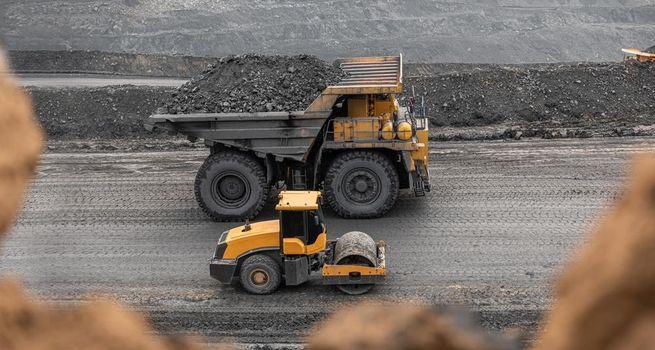
ASX-listed companies including AuKing Mining (ASX:AKN), Altamin (ASX:AZI), Terramin Australia (ASX:TZN), Metals Australia (ASX:MLS) and Sabre Resources (ASX:SBR) are zinc developers and have defined resources and are working through feasibility, permitting, funding, and construction stages toward production. Terramin's Tala Hamza project in Algeria is the most advanced, with an EPC contract signed and construction underway. AuKing's Koongie Park has a completed scoping study and a JV funding pathway. Altamin's Gorno project has Appian Capital backing. Metals Australia's Manindi has a defined high-grade resource. Sabre's Border deposit has a positive scoping study.
What this means for investors: Developers offer leverage to potential production outcomes. If a project successfully reaches production, the upside can be substantial. However, development-stage companies carry significant risk around permitting, funding, construction execution, and commodity price assumptions. Jurisdiction is also a key differentiator — TZN (Algeria), AZI (Italy), and SBR (Namibia) all carry non-Australian sovereign risk.
AKN — AuKing Mining Ltd
Company overview: AuKing Mining is an ASX-listed exploration and development company that has positioned the Koongie Park copper-zinc project in Western Australia as its flagship asset. The company also holds interests in uranium projects in Tanzania and has pursued a joint venture strategy to advance development.
Why it appears on a zinc company list: The Koongie Park project contains a defined resource with meaningful zinc grades alongside copper, making AuKing one of the more directly zinc-exposed development-stage companies on the ASX.
Main zinc or lead-zinc projects: The Koongie Park Copper-Zinc Project, located approximately 25 kilometres southwest of Halls Creek in Western Australia's Kimberley region, is the company's primary zinc asset. As of early 2025, the project contained a resource of approximately 8.9 million tonnes at 1.01 per cent copper, 3.67 per cent zinc, 0.16 g/t gold, 32 g/t silver, and 0.77 per cent lead. The Sandiego deposit within Koongie Park was the subject of a scoping study indicating a potential 11-year mine life producing approximately 38,000 tonnes of zinc annually.
Geography and jurisdiction: Halls Creek, Western Australia. The Halls Creek Mobile Belt is a recognised geological province for base metals mineralisation. Western Australia offers a well-regarded mining regulatory environment.
Current development stage: Developer. The scoping study has been completed and confirmed the project's financial robustness. The company entered a joint venture with Cobalt Blue Holdings (ASX: COB) in February 2025, whereby Cobalt Blue can earn up to 75 per cent interest in the project by sole-funding development.
Recent announcements or strategic developments: The Cobalt Blue joint venture, announced in early 2025, represents the most significant recent strategic development. The JV provides a funded pathway to advance drilling and project development without AuKing needing to raise the capital itself. The company has also disclosed a strategic partnership with a Beijing-based resources fund.
Core or secondary zinc exposure: Core. Zinc is a primary commodity at Koongie Park alongside copper. The project's value proposition depends directly on both metals.
Major opportunities: The joint venture structure reduces AuKing's capital requirements and de-risks the development pathway. The coupled copper-zinc deposit provides diversified commodity exposure. Zinc grades of 3.67 per cent across the total resource are meaningful for a development-stage project.
Major risks: The Cobalt Blue JV means AuKing may ultimately hold only a 25 per cent stake in the project, significantly reducing its share of any future value. Commodity price volatility for both copper and zinc affects project economics. Western Australian permitting, Native Title considerations, and the remote location of Halls Creek add logistical and regulatory complexity.
Neutral outlook: AuKing Mining has a clearly defined zinc development asset with a funded JV pathway. However, the high JV dilution means the company's leverage to the project is reduced. Progress will depend on Cobalt Blue's pace of funding and advancement.
---
AZI — Altamin Ltd
Company overview: Altamin (formerly Alta Zinc Limited, rebranded November 2021) is an Australian-based mineral company focused on base and critical metals exploration and development in Italy. The company operates a dual strategy centred on the Gorno zinc-lead project and an emerging lithium and battery metals portfolio.
Why it appears on a zinc company list: The Gorno Zinc Project in northern Italy is one of the more advanced undeveloped zinc assets held by an ASX-listed company. Altamin has a long history of zinc-focused exploration and development work at Gorno.
Main zinc or lead-zinc projects: The Gorno Zinc Project, located in the Lombardy region of northern Italy, is a historic high-grade zinc mine that operated until 1982. Altamin holds a 78.86 per cent interest in the project through a joint venture with Appian Capital Advisory. The project has been the subject of ongoing MRE (Mineral Resource Estimate) step-out and infill drilling programmes, with the company describing results as "exceptional." A scoping study has confirmed Gorno as a potentially viable development. If developed, it could become Italy's first operating metal mine in approximately 40 years. The company also holds the Punta Corna Cobalt Project in Piedmont, Italy, and the Lazio Geothermal Lithium Project in central Italy.
Geography and jurisdiction: Northern Italy. While Italy is a developed, rule-of-law jurisdiction, mining has not been a significant industry in the country for several decades, and the regulatory and permitting framework for new mine development is less established than in Australia or Canada.
Current development stage: Developer. Gorno is at an advanced exploration stage with significant drilling completed and a scoping study in hand. The Appian Capital partnership provides funding of up to A$96 million.
Recent announcements or strategic developments: The partnership with Appian Capital, which can earn up to 67.4 per cent interest in the Gorno JV vehicle by investing up to A$96 million (US$65 million), is a transformative development. The company is planning what it describes as the largest drilling programme ever initiated at Gorno. Altamin has also elevated its Lazio lithium project to flagship status, signalling a strategic broadening beyond zinc.
Core or secondary zinc exposure: Core at Gorno, but the company's overall strategic direction is diversifying toward lithium and battery metals. Zinc remains a material component of the company's value proposition.
Major opportunities: The Appian Capital funding substantially de-risks the development pathway. Gorno has demonstrated high-grade zinc mineralisation in a European location proximate to zinc smelters. The European Union's focus on strategic resource security could support the project's permitting and development.
Major risks: The Appian JV means Altamin may ultimately hold only a minority stake. Italian mining permitting is relatively untested for new developments. Currency risk (AUD/EUR), commodity price volatility, and the execution risk of restarting a mine closed for over 40 years are all relevant. The strategic pivot toward lithium suggests internal capital allocation may increasingly favour non-zinc assets.
Neutral outlook: Altamin holds a genuine, advanced zinc development asset with major financial backing. However, the company's strategic direction is diversifying, and the JV dilution is significant. Progress at Gorno will depend on Appian Capital's investment pace and permitting outcomes in Italy.
---
TZN — Terramin Australia Ltd
Company overview: Terramin Australia is an exploration, evaluation, and development company focused on base and precious metals projects in Australia, Algeria, and Canada. The company's primary asset is the Tala Hamza Zinc-Lead Project in Algeria, which is among the world's largest undeveloped zinc deposits.
Why it appears on a zinc company list: Terramin is one of the most directly zinc-focused development companies on the ASX. The Tala Hamza project is a world-class zinc resource that is actively advancing toward construction and production.
Main zinc or lead-zinc projects: The Tala Hamza Zinc-Lead Project in Algeria contains approximately 53 million tonnes at 5.3 per cent zinc and 1.3 per cent lead, making it one of the world's largest undeveloped zinc-lead deposits with a potential mine life of approximately 20 years. If developed to capacity, it could rank among the world's top 10 largest zinc mines. Terramin holds a 49 per cent interest through the BZL joint venture, with the remaining 51 per cent held by Algerian government entities. Significant milestones achieved include the receipt of a mining permit, completion of land acquisition (234 hectares at a cost of approximately US$30 million by the Algerian government), the signing of an EPC (Engineering, Procurement, and Construction) contract with Sinosteel Equipment & Engineering for approximately US$336 million in November 2024, commencement of site preparation works in March 2025, and receipt of tax exemptions and concessional financing from Algerian government investment promotion agencies.
The company also holds the Angas Zinc Mine on the Fleurieu Peninsula in South Australia (approximately 2 kilometres from Strathalbyn, 60 kilometres from Adelaide), where a maiden resource has recently been delivered, as well as exploration tenements in the South Gawler Ranges.
Geography and jurisdiction: Algeria (Tala Hamza) and South Australia (Angas and other projects). Algeria is an emerging mining jurisdiction that carries sovereign, regulatory, and political risk, though recent government support for the project has been strong. South Australia is a well-established mining jurisdiction.
Current development stage: Pre-production. The EPC contract has been signed, site preparation works have commenced, and the project is advancing toward a final investment decision.
Core or secondary zinc exposure: Core. Zinc-lead is the primary commodity focus for Terramin. The Tala Hamza project is the company's most significant asset.
Major opportunities: The scale of the Tala Hamza resource is genuinely world-class. Strong Algerian government support, including land acquisition, tax incentives, and concessional financing, substantially de-risks the project. The 20-year mine life provides long-term production visibility. If built, it would be a globally significant new source of zinc supply.
Major risks: Algerian sovereign and political risk. Execution risk on a US$336 million construction project in a country without a well-established modern mining sector. Terramin's 49 per cent stake means it is a minority partner in the JV. Commodity price risk over the project's long development and operational timeline.
Neutral outlook: Terramin holds one of the ASX's most significant zinc development assets, and the project has reached an advanced stage with an EPC contract signed and site works underway. However, the Algerian jurisdiction, minority JV position, and execution risks associated with a large-scale construction project in a non-traditional mining country are material considerations. Progress on construction and financing will be key catalysts.
---
MLS — Metals Australia Ltd
Company overview: Metals Australia is a mineral exploration company with projects in Western Australia and Canada. The company holds the Manindi zinc-copper-silver project in Western Australia and the Lac Rainy graphite project in Quebec, Canada.
Why it appears on a zinc company list: The Manindi Project contains a defined JORC-compliant zinc resource with notably high grades, making it one of the more tangible zinc assets held by a small-cap ASX explorer.
Main zinc or lead-zinc projects: The Manindi Zinc-Copper-Silver Project in the Murchison District of Western Australia contains a resource of approximately 1.08 million tonnes at 6.52 per cent zinc, 0.26 per cent copper, and 3.19 g/t silver. This includes a Measured component of 37,697 tonnes at 10.22 per cent zinc, an Indicated component of 131,472 tonnes at 7.84 per cent zinc, and an Inferred component of 906,690 tonnes at 6.17 per cent zinc. An adjacent vanadium-titanium-iron discovery zone may offer processing synergies.
Geography and jurisdiction: Murchison District, Western Australia (Manindi) and Quebec, Canada (Lac Rainy graphite).
Current development stage: Developer. The Manindi resource is defined and the company has commenced a revaluation of the project, including assessing operational and processing synergies with the adjacent VTM deposit for a potential future scoping study.
Core or secondary zinc exposure: Core at Manindi. Zinc is the primary commodity at the Manindi project, which is one of the company's two main assets.
Major opportunities: The zinc grade at Manindi (6.52 per cent overall, with Measured grades exceeding 10 per cent) is high by global standards. Potential synergies with the adjacent VTM deposit could improve project economics. Favourable zinc market conditions support the development thesis.
Major risks: The resource size (1.08 million tonnes) is relatively small, which may constrain the scale and economics of a standalone mining operation. The company's other flagship asset is graphite in Canada, so management attention and capital may be split between two very different projects.
Neutral outlook: Metals Australia holds a high-grade zinc resource at Manindi that, despite its modest size, offers genuine zinc exposure. The company is reassessing the project with a view to potential scoping studies. The resource quality is a positive, but the scale challenge will need to be addressed.
---
SBR — Sabre Resources Ltd
Company overview: Sabre Resources is an exploration and mining development company focused on polymetallic projects in Namibia and Western Australia, targeting lead-zinc, copper, uranium, and gold.
Why it appears on a zinc company list: Sabre's Border Lead-Zinc Deposit in Namibia is a defined zinc-lead resource with a completed scoping study by DRA Global indicating potential viability as a standalone mi
Main zinc or lead-zinc projects: The Border Deposit, located in the Otavi Mountain Land of northern Namibia, contains an Inferred Resource of approximately 16.2 million tonnes at 2.12 per cent combined lead and zinc and 4.76 g/t silver. The deposit has a geometry featuring a 60-degree dip, over 2,400 metres of strike length, extension to 390 metres depth, and thickness ranging from 10 to 85 metres (averaging 25 metres). Beneficiation test work has demonstrated excellent metallurgical performance, with dense medium separation followed by flotation producing final concentrates grading 65 per cent lead and 61.5 per cent zinc — very high-quality concentrates. The Pavian and Hoek zinc-lead trends represent additional exploration targets along a 20-kilometre corridor.
Geography and jurisdiction: Otavi Mountain Land, northern Namibia. Namibia is generally regarded as a mining-friendly jurisdiction with a stable political environment by African standards, though it still carries country risk relative to Australia.
Current development stage: Developer. A scoping study has been completed and a Phase 2 diamond drilling programme has been executed with what the company describes as exceptional results.
Core or secondary zinc exposure: Core. Lead-zinc is the primary commodity focus for the Border Deposit project.
Major opportunities: The deposit is well-defined with excellent metallurgical characteristics. The concentrate quality (65 per cent lead, 61.5 per cent zinc) would command premium treatment terms from smelters. The Otavi Mountain Land is a recognised base metals province. The 2,400-metre strike length and depth extent suggest resource growth potential.
Major risks: The resource is currently Inferred only, the lowest confidence category under JORC. Namibian sovereign risk, while relatively low by African standards, still exists. Capital requirements for open-pit development need to be assessed. The company trades at a very low share price ($0.01), indicating micro-cap status and limited market capitalisation.
Neutral outlook: Sabre Resources holds a genuine zinc-lead development asset with encouraging metallurgical test results and a positive scoping study. The concentrate quality is a notable strength. However, the resource confidence is low and significant work remains before a development decision could be considered.


 Nov 13, 2026





 Please wait processing your request...