
 CA
 NZ
 UK
 US
 IND

 AU

 Share
 X (Formerly Twitter)
 Whatsapp
 Facebook
 LinkedIn
 Telegram
 Email This Article
 Copy Link
 Summarize with AI
 Chat GPT
 Perplexity
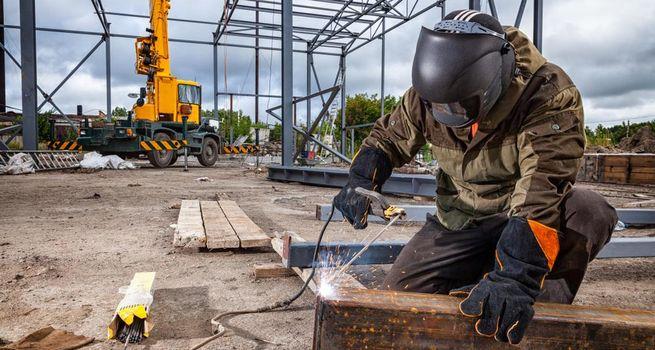
SGH Limited (ASX:SGH) is one of Australia's most expansive yet arguably under-appreciated diversified industrial conglomerates. Formerly known as Seven Group Holdings, the company rebranded as SGH Limited in November 2024 and has since continued to grow its footprint across heavy equipment distribution, equipment hire, construction materials, energy and media. Trading at around $44.21 per share in mid-2026, with a market capitalisation of approximately $18.2 billion and a 52-week range of $37.26 to $55.37, ASX: SGH has quietly become one of the larger industrial names on the Australian Securities Exchange. With a P/E ratio of around 33.2 and an annualised dividend yield of approximately 1.5%, the stock may be worth monitoring for investors seeking exposure to Australia's infrastructure and resources supercycle.
Why SGH Limited (ASX: SGH) Is Attracting Investor Attention
SGH Limited (ASX: SGH) has increasingly appeared on investor watchlists in 2026 for several compelling reasons. The company delivered underlying EBIT of A$1.54 billion in FY25, representing 8.3% growth on the prior year, and followed that with A$844 million in EBIT for the first half of FY26. Operating cash flow surged 32% to A$1.1 billion in the same period, signalling improving earnings quality and cash conversion across the group. These results indicate SGH's diversified model is generating genuine operating leverage rather than relying on any single cyclical tailwind.
What has arguably placed SGH even more firmly in the spotlight is its audacious A$13.15 billion joint bid for BlueScope Steel in partnership with US steelmaker Steel Dynamics. Under the proposed structure, SGH would absorb BlueScope's Australian operations — including Australian Steel Products, Asia Coated Products, and the New Zealand and Pacific Islands businesses — while Steel Dynamics would acquire the North American assets. This potential transaction, if completed, would represent a significant deepening of SGH's industrial and materials footprint and has drawn considerable attention from investors reassessing the company's strategic direction.
Company Overview
SGH Limited was created through the evolution of Seven Group Holdings, a business with roots in the Kerry Stokes-backed industrial and media empire. The company completed its rebranding to SGH Limited in late 2024 to better reflect its diversified industrial identity, stepping beyond the Seven Group legacy. Today, SGH operates across five primary segments: WesTrac (Caterpillar equipment dealership), Coates (equipment hire), Boral (construction materials), Energy (including a 30% stake in Beach Energy and SGH Energy), and Media Investments (including a 40.2% stake in Seven West Media).
WesTrac holds the authorised Caterpillar dealership rights across Western Australia, New South Wales and the Australian Capital Territory, providing sales, parts and maintenance services to the mining and construction industries. Coates is Australia's largest equipment hire business, operating across an extensive national network. Boral, which SGH fully consolidated, is Australia's largest integrated construction materials business, producing concrete, cement, asphalt and quarry products. Together, these businesses give SGH an unusual degree of exposure to Australia's key economic growth drivers.
Sector and Industry Position
SGH Limited occupies a distinctive position within the ASX industrials and capital goods sector. Unlike pure-play equipment dealers or materials companies, SGH bridges multiple segments of Australia's infrastructure and resources economy. Its revenue streams are tied to mining capex cycles, infrastructure construction, housing and commercial building activity, and energy production — giving it diversified earnings sources that may buffer against volatility in any single end-market.
Australia's national infrastructure pipeline is estimated at approximately A$1.7 trillion over the coming decade, encompassing transport, energy transition projects, water infrastructure and defence-related construction. SGH's assets — particularly WesTrac's Caterpillar fleet and Boral's construction materials network — are directly aligned with this spending trajectory. Additionally, brownfield mining capex across the iron ore, lithium and gold sectors continues to support robust demand for the heavy equipment that WesTrac distributes and services.
Recent Market Interest
SGH Limited (ASX: SGH) has attracted renewed market interest throughout the first half of 2026. The company's HY26 result showed net income rising 2.7% to A$471 million and earnings per share of AU$1.16 (up from AU$1.13 in the prior corresponding period), demonstrating that SGH's business model is generating consistent and growing returns even as revenue experienced modest normalisation. The 32% jump in operating cash flow was particularly noted as evidence that working capital management and earnings quality have materially improved.
The proposed BlueScope transaction also generated significant commentary and may attract further attention from institutional investors assessing SGH's long-term capital allocation discipline. Beyond BlueScope, management's guidance for low to mid-single-digit EBIT growth in FY26 — supported by Boral's 26% EBIT growth and ongoing strength in Beach Energy's production volumes — continues to underpin a broadly constructive view among those monitoring ASX: SGH.
Key Growth Themes
Australia's Infrastructure Supercycle
The A$1.7 trillion national infrastructure pipeline represents a multi-year tailwind for SGH's core industrial businesses. Governments at federal and state level are committing record expenditure to road, rail, ports, renewable energy infrastructure and defence facilities. WesTrac's Caterpillar equipment — earthmovers, mining trucks, excavators and graders — is integral to these projects. Similarly, Coates' hire fleet of scaffolding, access equipment and construction tools benefits directly from the volume of active project sites across Australia. The scale of this pipeline suggests demand visibility extending well beyond the typical short-term business cycle.
Boral's Construction Materials Momentum
Boral has become one of SGH's strongest near-term earnings contributors. The division's 26% EBIT growth — described by management as reflecting pricing power and competitive advantages within the Australian market — underscores the value that was unlocked through SGH's strategic control of Boral. As housing construction activity gradually recovers from rate-driven headwinds and large-scale infrastructure projects continue to require concrete, asphalt and quarry products at scale, Boral's national network of plants and quarries positions it as a beneficiary of multiple intersecting demand drivers.
Energy Exposure and Portfolio Diversification
SGH's 30% stake in Beach Energy provides meaningful exposure to Australia's domestic gas market at a time when east coast gas supply security has become a national policy priority. Beach Energy's FY26 production guidance of 19.7 to 22.0 mmboe underpins a relatively stable earnings contribution from the energy segment. SGH Energy adds further infrastructure exposure. Together, these energy assets add an important diversification dimension to SGH's predominantly industrial earnings base, potentially moderating the impact of downturns in any single construction or equipment segment.
Risks Investors Should Understand
As with any large diversified industrial group, SGH Limited (ASX: SGH) carries a range of risks that investors would be prudent to consider carefully. The company's earnings are exposed to cyclical fluctuations in mining capital expenditure, construction activity and infrastructure project timelines — all of which can shift with commodity prices, interest rates, government budget priorities and broader economic conditions. A slowdown in mining sector investment or a prolonged softening in residential construction could weigh on WesTrac and Boral revenues respectively.
- Execution risk associated with the proposed BlueScope transaction, which if completed would represent a major integration challenge
- Commodity price sensitivity through Beach Energy's upstream oil and gas production
- Interest rate and credit market conditions affecting infrastructure project pipelines and housing activity
- Concentration of key customer relationships within the mining and resources sector for WesTrac
- Media investment volatility through the Seven West Media stake in a structurally challenging broadcast advertising market
- Integration and operational complexity inherent in managing a large, multi-segment conglomerate
What Investors May Watch Next
For those monitoring SGH Limited (ASX: SGH), the next major catalysts are likely to centre on the BlueScope bid outcome and the company's full-year FY26 results. The BlueScope transaction, if approved by BlueScope shareholders and regulators, would materially reshape SGH's revenue and asset base, deepening its exposure to Australian steel manufacturing and potentially creating new synergies with Boral and the broader industrial supply chain. The outcome and timeline of this process remains a key variable that investors are watching closely.
Beyond the BlueScope situation, the FY26 full-year result will be closely scrutinised for whether management's guidance of low to mid-single-digit EBIT growth is achieved or exceeded. Progress at Boral, the trajectory of WesTrac equipment sales and aftermarket revenues, and Beach Energy's production performance are all likely to be focal points. Any commentary on capital management — including dividend policy, debt levels and future acquisition priorities — may also attract attention from income-focused and growth-oriented investors alike.
Long-Term Outlook
SGH Limited's long-term thesis rests on its unique positioning at the intersection of Australia's three most durable structural growth themes: resources and mining services, large-scale infrastructure development, and construction materials supply. Few ASX companies offer simultaneous exposure to all three at comparable scale and quality. The company's track record of growing underlying EBIT to A$1.54 billion in FY25 reflects disciplined capital allocation and an ability to extract value from complex industrial businesses.
Looking further out, Australia's energy transition, defence spending ramp-up, and population-driven infrastructure needs all support a sustained demand environment for SGH's core assets. Whether through organic growth, the potential BlueScope acquisition, or further strategic moves, ASX: SGH appears positioned to remain a significant participant in the industrial and infrastructure landscape for years to come. Investors with a longer time horizon may find the company's diversified earnings base and improving cash generation profile worth monitoring as part of a broader portfolio context.
Conclusion
SGH Limited (ASX: SGH) is a company that rewards those who look beneath the surface. With a market capitalisation of approximately $18.2 billion, it is one of the larger stocks on the ASX — yet its diversified industrial character means it can sometimes escape the attention that more narrowly focused businesses attract. The company's FY25 EBIT of A$1.54 billion, the 32% surge in operating cash flow in HY26, Boral's strong earnings momentum, and the transformative potential of the BlueScope bid all combine to make ASX: SGH a name that remains on many institutional watchlists.
Whether SGH's growth story unfolds through the steady compounding of its existing industrial businesses or through a major corporate transformation via BlueScope, the company appears built on a foundation of durable Australian infrastructure and resources demand. Investors who are seeking diversified exposure to Australia's long-term economic development — across equipment, materials, energy and beyond — may find SGH Limited a compelling subject for further research. As always, any investment decision should be made in the context of individual financial goals and in consultation with a qualified financial professional.


 Nov 13, 2026





 Please wait processing your request...