
 CA
 NZ
 UK
 US
 IND

 AU

 Share
 X (Formerly Twitter)
 Whatsapp
 Facebook
 LinkedIn
 Telegram
 Email This Article
 Copy Link
 Summarize with AI
 Chat GPT
 Perplexity
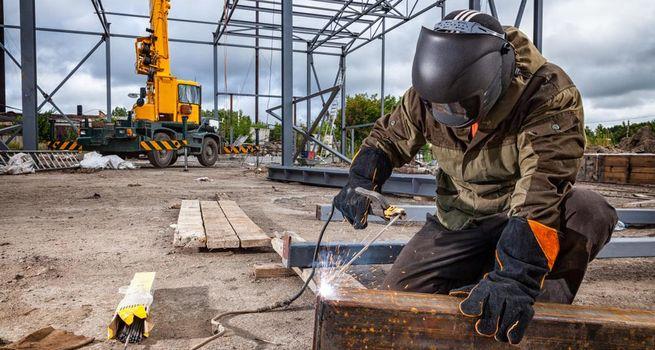
BlueScope Steel Limited (ASX: BSL) has attracted renewed investor scrutiny following a period of share-price weakness that has brought the stock back to levels not seen in recent months. As one of Australia's largest industrial companies and a significant global steel producer, BlueScope occupies a central place in the ASX materials and industrials landscape. When the broader market turns cautious on cyclical names, steelmakers tend to feel the pressure acutely, and BlueScope is no exception.
For investors willing to take a longer view, periods of cyclical weakness in steel equities can present opportunities, though they also carry meaningful risks. Understanding what is driving the current softness — and what may drive a recovery — is essential context for those following BSL.
Company Overview
BlueScope Steel Limited is an ASX-listed global steel manufacturer and building products company headquartered in Melbourne, Australia. Originally spun out of BHP Billiton's steel operations in 2002, BlueScope has evolved from a predominantly domestic flat-steel producer into a diversified international business with manufacturing operations across Australia, the United States, Asia, and New Zealand.
Australian Steel Products
The Australian Steel Products segment is BlueScope's domestic manufacturing backbone, centred on the Port Kembla Steelworks in New South Wales — one of the last remaining integrated steelworks in Australia. This facility processes iron ore and coking coal into flat steel products that are subsequently sold to manufacturers, distributors, construction companies, and the automotive supply chain. Branded products such as COLORBOND steel and ZINCALUME steel are produced and sold under long-standing trademarks that carry significant recognition in the Australian construction and roofing market. These value-added products command premium margins relative to commodity-grade steel.
North Star BlueScope Steel (United States)
North Star BlueScope Steel, located in Delta, Ohio, is a highly competitive electric arc furnace (EAF) mini-mill producing flat-rolled steel for the North American market. Unlike integrated steelworks relying on blast furnace technology, North Star uses scrap steel as its primary feedstock, giving it a structurally lower cost profile and flexibility in response to input cost movements. North Star has been a significant earnings contributor for BlueScope during elevated US steel spreads, and the company has invested in expanding its capacity to capitalise on that competitive position.
Building Products Asia and North America, and New Zealand Steel
BlueScope's building products businesses span several geographies across Asia — including Indonesia, Thailand, Vietnam, India, and Malaysia — as well as a substantial presence in New Zealand through New Zealand Steel, which operates an integrated steelworks using ironsand at Glenbrook. The Asian operations manufacture and market steel roofing, wall cladding, and structural components under the LYSAGHT and other regional brand names, serving the residential, commercial, and industrial construction sectors. These businesses provide earnings diversification through exposure to Asian construction growth, though they remain sensitive to regional economic cycles.
BlueScope's geographic and product breadth differentiates it from pure commodity steel producers, yet the underlying business remains deeply tied to steel pricing, raw material costs, and construction demand.
Why the Stock Is in Focus
Several intersecting forces appear to have contributed to BSL's recent share-price softness, and investors are weighing these carefully.
First, global steel spreads — the margin between steel selling prices and input costs such as scrap, iron ore, and coking coal — have been under pressure in recent periods. When spreads compress, steel producers' earnings can deteriorate rapidly. The company's trailing EPS of A$0.67 is significantly below what the business has historically generated in more favourable spread environments, representing a year-on-year decline of approximately 45% — a sharp compression that has unsettled investors accustomed to stronger profitability from BlueScope's North Star and Australian operations.
Second, broader market sentiment toward industrial and cyclical stocks has been cautious. In an environment where interest rates have remained elevated and global economic growth has been uncertain, equities with significant exposure to commodity-linked earnings tend to underperform. Investors often rotate away from cyclicals during periods of macro uncertainty, placing additional downward pressure on share prices that may already be pricing in some earnings recovery.
Third, BlueScope's US operations via North Star are sensitive to North American steel market dynamics, including import competition, trade policy settings, and domestic demand from sectors such as automotive, appliances, and construction. Any shifts in these markets — whether through tariff changes, demand softness, or new supply entrants — can ripple through the company's earnings outlook and investor sentiment.
Finally, profit-taking following prior periods of strong share-price performance is a natural feature of cyclical stocks, and BlueScope has historically had periods of significant price appreciation when steel spreads have been favourable.
Sector Backdrop
The global steel industry is one of the most cyclically sensitive sectors in global materials. Steel prices are influenced by a complex interaction of factors including Chinese production and export volumes, iron ore and coking coal prices, global construction activity, manufacturing output, and the trajectory of demand from automotive and infrastructure sectors.
China remains the world's dominant steel producer, accounting for more than half of global crude steel output. When Chinese domestic demand weakens — as it has been, partly reflecting stress in the country's property sector — Chinese steelmakers have historically sought to export surplus capacity at competitive prices, weighing on steel prices in markets such as Asia and, indirectly, beyond. This dynamic creates headwinds for producers with Asian and Australian operations.
In the United States, the steel market has historically enjoyed protection via tariffs that limit low-cost import competition, providing insulation for domestic producers like North Star. However, trade policy can shift, and the level of protection afforded to US steelmakers is a perennial focus of market attention.
The Australian construction and building products market is exposed to domestic housing and infrastructure cycles. Higher interest rates and softer residential construction activity have moderated the near-term growth outlook for branded products like COLORBOND steel.
Energy costs represent another sector-level consideration, particularly for EAF operators and energy-intensive integrated steelworks. Elevated electricity and gas prices can compress margins independent of steel selling prices.
Financial and Market Context
Steel company earnings are notoriously cyclical — expanding dramatically when spreads are wide and contracting sharply when they compress. When trailing earnings reflect a period of compressed margins, traditional valuation multiples can look optically high without necessarily signalling overvaluation on a through-cycle basis. Investors experienced in cyclical industries typically look through trailing figures to normalised or mid-cycle earnings to assess longer-term value.
The trailing EPS of A$0.67 compares unfavourably with BlueScope's historical earnings in better market conditions, when the company has generated significantly stronger profits — particularly during periods of elevated US steel spreads at North Star and favourable conditions for the Australian business. The year-on-year EPS decline of approximately 45% is striking but consistent with the broader global steel earnings cycle that has weighed on producers globally.
From a balance-sheet perspective, BlueScope has historically maintained a conservative financial position, with a focus on managing debt prudently and returning capital to shareholders through dividends and buybacks when cash flows have allowed. In the current earnings environment, the sustainability and quantum of any capital management activity is naturally under greater scrutiny.
BlueScope also generates meaningful free cash flow in periods of normal-to-strong steel market conditions, and the company's core assets represent significant replacement-cost value. These are, however, capital-intensive facilities requiring ongoing investment to maintain competitiveness.
Potential Catalysts
Several developments could shape BlueScope's share-price trajectory in the period ahead.
The most significant potential catalyst is a recovery in steel spreads. If global steel prices stabilise or improve — driven by supply discipline, Chinese stimulus measures that boost domestic steel demand, or recovery in key end markets — BlueScope's earnings profile could improve materially. North Star in particular has demonstrated the ability to generate strong earnings when US spreads are favourable.
The company's half-year and full-year results announcements will be closely watched. These events allow management to update markets on spread conditions, volume trends, capital expenditure plans, and capital management settings. Any indication that the earnings trough has been reached or passed could shift investor sentiment meaningfully.
Trade policy developments, particularly in the United States, represent a double-edged catalyst. Tariff changes affecting North American steelmakers would have a direct impact on BlueScope's US earnings outlook, making Washington policy discussions an ongoing focus for investors.
Commodity price movements — iron ore, coking coal, and scrap steel — influence input cost dynamics and spread economics. A meaningful easing in raw material costs without a corresponding fall in steel prices could provide margin relief across the group's operations.
Key Risks
• Steel-spread compression: The most direct risk to earnings is a sustained period of weak steel spreads, whether driven by oversupply, sluggish demand, or aggressive Chinese exports. Thin spreads translate directly into reduced profitability across BlueScope's key segments.
• Chinese export pressure: Continued or increased steel export volumes from China — particularly in flat-rolled and structural products — can depress regional and global steel prices, weighing on BlueScope's Australian and Asian businesses.
• Currency risk: BlueScope generates significant revenues in US dollars and Asian currencies. Fluctuations in the Australian dollar against these currencies can affect reported earnings. A strengthening Australian dollar reduces the domestic currency value of offshore earnings.
• Energy cost exposure: Higher electricity and gas prices increase the operating costs of energy-intensive steelmaking facilities, compressing margins if they cannot be recovered through higher selling prices.
• Capital intensity and maintenance risk: BlueScope's integrated steelworks require substantial ongoing capital investment. Unexpected outages, equipment failures, or the need to accelerate maintenance spending can weigh on free cash flow.
• Macro and construction cycle risk: A pronounced slowdown in Australian or Asian construction activity would reduce demand for BlueScope's building products, while a US manufacturing or automotive downturn could weigh on North Star volumes.
• Trade policy uncertainty: Changes to import tariff regimes in the United States or Australia could alter the competitive dynamics for BlueScope's operations in those markets.
Outlook
The near-term outlook for BlueScope Steel is closely tied to global steel markets and spread conditions. The compression in trailing earnings suggests the business is operating through a challenging phase of the cycle. Whether this is a trough or an extended period of subdued profitability will depend significantly on developments in China, North American steel markets, and the broader macroeconomic environment.
Looking through the immediate earnings pressure, BlueScope's portfolio retains structural merit. The North Star EAF mini-mill is among the most competitive steel producers in North America, benefiting from low-cost scrap-based steelmaking and proximity to Midwest manufacturing demand. COLORBOND and ZINCALUME represent genuinely differentiated, branded products with pricing power above commodity grades. The Asian building products businesses offer exposure to markets with longer-term structural growth tailwinds.
Management's track record of prudent capital allocation — including North Star's capacity expansion during a period of strong returns — and the company's history of returning capital to shareholders when conditions allow suggests a degree of strategic discipline. However, the current earnings environment constrains the scope for significant capital returns.
The elevated trailing P/E reflects cyclically compressed earnings rather than a structurally re-rated multiple. History suggests BlueScope's earnings can recover meaningfully when steel spreads improve, but the timing and magnitude of that recovery remain uncertain.
Conclusion
BlueScope Steel Limited remains one of the most significant industrial companies listed on the ASX, with a diversified global business spanning integrated steelmaking, EAF mini-mill operations, and value-added building products across multiple continents. The recent share-price weakness reflects genuine near-term earnings headwinds tied to compressed global steel spreads and a more cautious macro environment for industrial stocks. These challenges are real and may persist in the short term.
Yet for investors attuned to cyclical industries, the current environment — elevated trailing multiples driven by temporarily depressed earnings, a pullback in share price, and a structurally competitive asset base — is the kind of setting that often generates watchlist interest. The quality of BlueScope's core assets, particularly North Star and the COLORBOND business, provides a foundation for earnings recovery when the cycle turns. Those watching BSL will be monitoring steel-spread data, Chinese export trends, and the company's own earnings guidance closely in the months ahead.


 Nov 13, 2026





 Please wait processing your request...