
 CA
 NZ
 UK
 US
 IND

 AU

 Share
 X (Formerly Twitter)
 Whatsapp
 Facebook
 LinkedIn
 Telegram
 Email This Article
 Copy Link
 Summarize with AI
 Chat GPT
 Perplexity
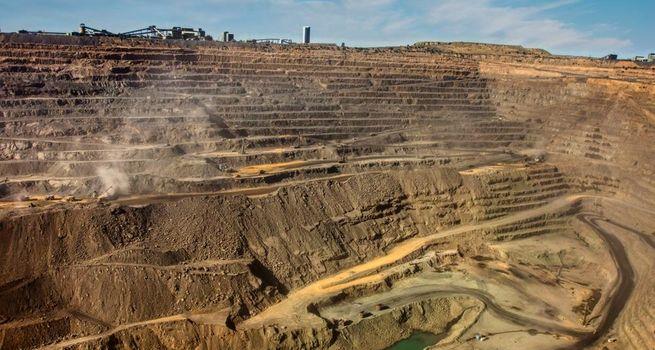
As a pure-play uranium producer with minimal diversification, Paladin Energy (ASX:PDN)'s share price movements are inextricably linked to uranium spot prices and investor sentiment toward nuclear energy as a climate-change mitigation solution. The 5.365% decline today reflects broader market repricing of uranium prices and investor recalibration of demand expectations for nuclear power. However, the fundamental case for uranium as an essential element in the global energy transition remains compelling, with long-term structural tailwinds supporting elevated uranium prices.
Paladin Energy's restart of the Langer Heinrich Mine positions the company to capture significant upside as global nuclear power generation expands to meet climate commitments and energy security objectives. For investors seeking exposure to the nuclear energy renaissance, Paladin Energy represents a leveraged play on uranium price appreciation and growing power plant construction globally.
Why Is Paladin Energy Falling Today?
Several factors have contributed to the 5.365% decline in Paladin Energy shares today:
Uranium Spot Price Weakness
Uranium spot prices, typically quoted in US dollars per pound of uranium oxide (U₃O₈), have shown some weakness in recent trading sessions. After a strong rally from around $30–$40 per pound in 2021 to nearly $90–$110 per pound during 2025–2026, spot uranium prices have recently pulled back by roughly 3–5% over the past two weeks.
For uranium producers such as Paladin Energy, commodity price movements play a critical role in determining profitability and cash flow generation. As a direct uranium producer, the company’s financial performance is highly sensitive to fluctuations in uranium prices. When uranium prices weaken, it can lead to lower revenue expectations, reduced operating margins, and downward pressure on cash generation.
In addition, softer uranium prices may impact net present value (NPV) calculations for mining projects, potentially influencing investor sentiment and short-term stock performance.
Broader Commodity Market Weakness
The broader commodity complex has experienced repricing today as investors adjust risk exposure and rotate away from cyclical sectors. Metals and minerals equities globally have felt selling pressure as macro uncertainty about demand growth and interest rate trajectories creates caution. This sector-wide headwind has affected uranium equities proportionally alongside other commodity producers.
Nuclear Power Deployment Uncertainty
While long-term nuclear power growth prospects remain robust, near-term deployment timelines for new nuclear facilities in key growth markets (particularly Asia-Pacific and Europe) have extended beyond previous expectations. Regulatory approval processes, financing mechanisms, and supply chain constraints for reactor components have created delays in large power plant projects. This uncertainty has created investor concern about the near-term demand pathway for newly mined uranium.
Uranium Inventory Levels
Recent reports suggest that uranium inventory levels at nuclear utilities and in commercial storage have modestly increased, reducing the near-term tightness in uranium supply-demand dynamics. When inventory levels are higher, utilities can defer new long-term uranium purchase contracts, reducing immediate demand pressure and supporting lower prices.
Capital Expenditure Concerns for Paladin
The Langer Heinrich Mine restart requires substantial capital investment to bring the facility back to commercial production. Investor concerns about capital expenditure requirements, timeline execution, and return on invested capital may be creating near-term pressure on the stock price. Any delays or cost overruns in the restart project could impact investor confidence.
Interest Rate Sensitivity
As a capital-intensive mining business with substantial development spending, Paladin Energy faces sensitivity to interest rate changes. Higher interest rates increase the company's cost of capital and reduce the net present value of future cash flows. Recent interest rate moves or expectations adjustments can create negative pressure on mining equities.
Paladin Energy Stock Performance
Paladin Energy (ASX: PDN) traded at 12.16 AUD as of 6 March, recording a daily decline of 5.40%. Over the past five days, the stock has moved lower, registering a 8.40% decrease. Despite the recent short-term weakness, the stock has shown positive movement over the past month, with a 10.49% increase in share price during that period.
Looking at the medium-term performance, the company’s shares have delivered strong momentum over the last six months, rising by 48.53%. The year-to-date performance also remains positive, with the stock advancing 20.09% since the beginning of the year. These gains indicate sustained investor interest in the company during the current market cycle.
On a longer-term basis, the stock has produced notable returns. Over the past one year, the share price has climbed 80.76%, reflecting significant growth over that period. The five-year performance highlights even stronger expansion, with the stock recording a 192.43% increase. Over the entire trading history, the company’s shares have delivered substantial appreciation, showing an overall 632.83% rise.
Performance Metrics
- Market Capitalization: Approximately $5.77 billion AUD at current prices as on March 6, 2026
- Price-to-Book Ratio: Trading at elevated multiples reflecting asset value and future cash generation potential
- Cash Position: Improving as uranium prices have supported operational cash flow generation
- Debt Levels: Manageable levels with clear path to debt reduction as Langer Heinrich ramps production
What Does Paladin Energy Do?
Core Business Operations
Paladin Energy develops, operates, and explores uranium mining properties across multiple geographies. The company's business model centers on developing and operating uranium mines at attractive cost positions, then selling produced uranium to international nuclear utilities and fuel fabricators under long-term contracts at premium prices to spot market pricing.
Langer Heinrich Mine (Namibia)
The flagship Langer Heinrich Mine located in the Erongo Region of Namibia represents Paladin's primary revenue-generating asset. The mine was placed on care and maintenance in 2018 due to low uranium prices but is currently being restarted to commercial production. Key characteristics of the asset include:
- Ore Body Quality: Large, accessible ore body with sufficient resources to support multi-decade operations
- Mining Method: Open-pit mining enabling efficient ore extraction
- Processing: Conventional milling and chemical processing infrastructure
- Cost Position: Expected to be among the lowest-cost uranium producers globally
- Jurisdiction: Namibia provides stable mining jurisdiction with established mining regulations and tax regime
Kayelekera Mine (Malawi)
Paladin holds significant interests in the Kayelekera Uranium Mine in Malawi, an asset that has been under care and maintenance but could be recommissioned if uranium market conditions support development economics. The Kayelekera asset provides optionality for significant production upside if uranium prices appreciate further.
Exploration Properties
The company maintains exploration properties in Australia and other jurisdictions, providing the foundation for future mine development opportunities should uranium market conditions support project advancement.
Revenue Generation
Paladin generates substantially all revenues from uranium sales under long-term contracts with nuclear utilities and uranium intermediaries. The company also receives minor revenues from exploration activities and non-core assets. The company does not generate significant revenues from other commodities, making it a pure-play uranium exposure.
Business Model Characteristics
Paladin's business model benefits from:
- Long-Term Contracting: Utilities typically purchase uranium under multi-year contracts at prices negotiated annually or semi-annually
- Spot Sales: Flexibility to sell incremental uranium at spot market prices when market conditions are favorable
- Operating Leverage: As a capital-intensive producer with substantial fixed costs, incremental uranium sales at high prices drive significant cash flow expansion
- Cost Advantages: Low-cost production position at Langer Heinrich enables profitable operations across a wide range of uranium price scenarios
Industry and Market Outlook 2026
Global Nuclear Power Expansion
The world is experiencing accelerating nuclear power deployment driven by climate commitments, energy security concerns, and electricity demand growth. Major economies including China, India, Japan, France, and the United States are expanding nuclear capacity to meet net-zero emissions targets and provide reliable baseload power.
Uranium Demand Growth
This nuclear power expansion directly translates to increasing uranium demand. Nuclear utilities require continuous uranium supplies to fuel reactor operations, and new plant construction creates incremental demand for uranium to fuel newly constructed reactors.
Supply-Demand Dynamics
The uranium market faces a structural supply deficit if production capacity does not expand in parallel with growing demand. High-cost producers have remained shuttered during periods of low prices, and bringing new production online requires capital investments and long development timelines. This supply constraint creates a structural pricing framework supporting sustained uranium price appreciation.
Key Demand Markets
- Asia-Pacific: China and India are deploying the largest number of new nuclear reactors globally
- Europe: France, UK, Poland, and others are expanding nuclear capacity to replace fossil fuels
- North America: United States is extending reactor lifespans and constructing next-generation reactors
- Emerging Markets: Developing nations are pursuing nuclear power to support growing electricity demand
Technological Developments
Advances in reactor technology, including small modular reactors (SMRs) and advanced converter reactors, create expanding addressable markets for uranium. These next-generation reactors require uranium fuel and represent a new avenue for nuclear energy deployment, particularly in applications where conventional large reactors are impractical.
Carbon Credits and Energy Security
Increasingly, nuclear power is recognized as essential for meeting climate objectives while maintaining energy security and supply diversity. Governments are implementing supportive policies including carbon pricing, clean energy subsidies, and grid priority for nuclear generation. These policy developments support the long-term uranium price narrative.
Key Market Catalysts
Uranium Spot Price Movements
Paladin Energy's share price is highly correlated with uranium spot prices. Any movements in uranium pricing, whether driven by utility procurement decisions, supply disruptions, or geopolitical events, directly impact Paladin's equity value.
Langer Heinrich Production Milestones
Announcements regarding Langer Heinrich restart progress, production ramp timelines, and achievement of production targets represent critical catalysts. Investors closely monitor commissioning success and operational efficiency metrics.
Long-Term Uranium Contract Announcements
Announcements of new long-term uranium sales contracts at favorable pricing provide significant positive catalysts, as these contracts provide revenue visibility and demonstrate market demand for the company's production.
Kayelekera Development Decisions
Any announcements regarding reactivation or development of the Kayelekera Mine would represent a transformative catalyst for the company, potentially doubling production capacity.
Industry Consolidation or Strategic Partnerships
In a competitive uranium market, Paladin might become involved in strategic transactions, partnerships, or consolidation activities that could enhance shareholder value or provide financial resources for accelerated development.
Regulatory and Geopolitical Developments
Changes in uranium export regulations, mining regulations in Namibia, or geopolitical developments affecting uranium supply chains can significantly impact investor sentiment and uranium pricing.
Cash Flow and Dividend Announcements
As Paladin generates surplus cash from operations, dividend announcements or capital allocation decisions can positively impact equity investor returns and share price performance.
Is Paladin Energy a Good Investment?
Bull Case for Uranium Investors
Several compelling arguments support investing in Paladin Energy:
Structural Demand Growth: Global nuclear power expansion is not a cyclical phenomenon but a structural, multi-decade trend driven by climate commitments and energy security imperatives. This provides a multi-decade tailwind for uranium demand and prices.
Supply Constraints: Uranium supply faces genuine constraints as high-cost producers remain shuttered and bringing new production online requires years of development. This supply-demand imbalance supports sustained pricing strength.
Pure-Play Nuclear Exposure: For investors seeking exposure to nuclear energy growth, Paladin provides direct leverage to uranium prices without diversification to other commodities or businesses.
Low-Cost Producer: Langer Heinrich is positioned as one of the world's lowest-cost uranium producers, enabling profitable operations across a range of price scenarios and supporting competitive advantage.
Strong Balance Sheet: Improving cash generation enables Paladin to strengthen its balance sheet, fund development projects, and potentially return capital to shareholders.
Leverage to Uranium Price: As a pure producer with high operating leverage, Paladin demonstrates outsized price appreciation relative to uranium price movements due to operating leverage and margin expansion.
Bear Case and Risk Factors
However, material risks warrant careful consideration:
Uranium Price Dependency: Paladin's profitability is highly sensitive to uranium spot prices. A sustained decline in uranium prices could materially reduce cash flow generation and equity value.
Execution Risk: The Langer Heinrich restart involves substantial technical and operational risks. Delays, cost overruns, or operational challenges could negatively impact shareholder value.
Capital Requirements: The restart project and potential Kayelekera development require substantial capital, creating financing risks and potential shareholder dilution if equity raises are required.
Commodity Price Volatility: Uranium prices are volatile, and investor sentiment toward the nuclear sector can shift based on policy changes, accidents, or other developments.
Jurisdictional Risk: Operations in Namibia create exposure to political, regulatory, and tax changes in that jurisdiction.
Concentration Risk: Pure exposure to uranium without commodity or geographic diversification creates concentrated risk relative to diversified miners.
Cyclical Nature: While long-term uranium demand is structurally supported, cyclical factors can create significant near-term price volatility.
Verdict for Different Investor Types
Growth and Momentum Investors: Paladin Energy represents an attractive holding for growth-oriented portfolios seeking exposure to the nuclear energy renaissance. Current pullback provides opportunity to accumulate at slightly reduced valuations.
Value Investors: The stock's elevated valuation multiples relative to current cash flows may exceed value investor comfort levels. Investors may prefer to wait for higher uranium prices or proven production ramps before committing capital.
Commodity and Commodity-Cycle Investors: Experienced commodity investors familiar with uranium market dynamics and comfortable with cyclical volatility may find Paladin an attractive portfolio component aligned with their thesis on uranium supply-demand tightness.
Conservative Portfolio Builders: The stock's pure exposure to a single commodity and volatile price dynamics makes it less suitable for risk-averse portfolios seeking stable income and capital preservation.
Thematic Investors: For investors pursuing climate change solutions and clean energy themes, Paladin Energy provides direct exposure to nuclear energy deployment and decarbonization trends.
What Is the Outlook for Paladin Energy?
Short-Term Outlook (Next 3-6 Months)
Near-term volatility is likely as uranium prices continue to experience cyclical swings and investor sentiment adjusts to changing demand perceptions. The company's focus will be on Langer Heinrich restart execution and communicating production ramp progress to the investment community. A successful restart and achievement of early production milestones could drive re-rating toward higher prices. Conversely, delays or cost overruns could create downward pressure.
Medium-Term Outlook (6-18 Months)
Over 12-18 months, Paladin should demonstrate production ramp at Langer Heinrich, with commissioning expected to reach commercial rates during this period. Full-production achievement and generation of meaningful free cash flow would provide fundamental support for equity appreciation. The company may also announce major new uranium sales contracts, providing visibility on revenue and cash flow generation.
Long-Term Outlook (18+ Months)
The long-term outlook for Paladin Energy remains constructive. Nuclear power deployment will drive sustained uranium demand growth, supporting premium uranium prices relative to historical averages. Paladin's low-cost production position and potential Kayelekera expansion provide leverage to this structural tailwind. The company is likely to evolve into a significant free cash flow generator as Langer Heinrich reaches maturity, potentially enabling shareholder returns including dividends or buybacks.
Key Takeaways for Investors
- Structural Demand Tailwind: Nuclear power deployment for climate and energy security reasons creates a multi-decade structural tailwind for uranium demand and pricing, supporting Paladin's long-term value creation.
- Today's Pullback Reflects Commodity Cycles: The 5.365% decline today represents normal cyclical volatility in uranium prices rather than fundamental deterioration in the company's strategic position or market opportunity.
- Execution Critical: Near-term value creation depends on successful Langer Heinrich restart execution. Investors should monitor production ramp progress, unit costs, and capital efficiency metrics closely.
- Leverage to Uranium Prices: Paladin's share price exhibits higher volatility than uranium spot prices due to operating leverage and fixed cost structures. This leverage amplifies gains in favorable price environments but also creates downside risk.
- Supply-Demand Imbalance: Structural uranium supply constraints relative to growing demand support a constructive uranium price environment for multi-year periods, enabling Paladin to operate at high capacity utilization and healthy margins.
- Low-Cost Position: Langer Heinrich's expected position as a low-cost producer provides competitive advantage and enables profitable operations across a range of uranium price scenarios.
- Optionality: The company retains Kayelekera and exploration properties, providing upside optionality if uranium market conditions support additional project development.
Frequently Asked Questions
Q1: Is uranium a good investment for 2026?
Uranium investments are suitable for investors with a multi-year horizon who believe in the nuclear energy thesis and structural demand growth. The sector exhibits cyclical volatility, making near-term price prediction difficult. However, structural tailwinds support a constructive longer-term outlook. Investors should ensure uranium exposure aligns with their risk tolerance and investment objectives.
Q2: What is the relationship between Paladin Energy and uranium prices?
Paladin's equity value is highly sensitive to uranium spot prices. As uranium prices increase, Paladin's cash generation and operating margins expand substantially due to operational leverage. Conversely, declining uranium prices reduce profitability. Investors should understand this price sensitivity when evaluating Paladin as an investment.
Q3: When will Langer Heinrich Mine reach full production?
The company has provided guidance that Langer Heinrich commissioning is expected during 2026-2027, with ramp to full production targeted for 2027-2028. Investors should monitor quarterly updates for progress toward these milestones, as execution risk exists around these timelines.
Q4: Does Paladin pay dividends?
Historically, Paladin has not paid consistent dividends during periods of lower profitability. However, as the company generates surplus cash from Langer Heinrich operations, management may consider dividend initiation or capital returns to shareholders. Current policy emphasizes maintaining financial flexibility and funding growth projects.
Q5: What are the primary risks to Paladin Energy?
Key risks include: (1) Uranium price declines reducing cash generation; (2) Langer Heinrich restart delays or cost overruns; (3) Regulatory changes affecting mining operations in Namibia; (4) Environmental or social challenges at operating mines; (5) Competition from other uranium producers; (6) Technology disruption reducing nuclear energy demand; (7) Geopolitical developments affecting uranium supply chains or export regulations.
Investment Disclaimer
This article is provided for informational purposes only and does not constitute financial advice, investment recommendation, or an offer to buy or sell securities. The information contained herein is based on publicly available sources believed to be accurate as of the publication date (March 6, 2026) but is subject to change without notice. Past performance is not indicative of future results. Stock prices and market conditions are subject to significant volatility and may change materially.
Investors should conduct their own due diligence, consult with qualified financial advisors, and carefully evaluate their risk tolerance before making investment decisions. All equity investments carry risk of loss, including potential total loss of capital. Investors should not rely solely on this article when making investment decisions and should consider their complete financial situation, investment objectives, and risk tolerance.
The author and publisher assume no responsibility for errors, omissions, or inaccuracies in the information provided. Investment in ASX-listed securities carries regulatory, market, and company-specific risks that should be thoroughly understood before committing capital.


 Nov 12, 2026





 Please wait processing your request...