
 CA
 NZ
 UK
 US
 IND

 AU

 Share
 X (Formerly Twitter)
 Whatsapp
 Facebook
 LinkedIn
 Telegram
 Email This Article
 Copy Link
 Summarize with AI
 Chat GPT
 Perplexity
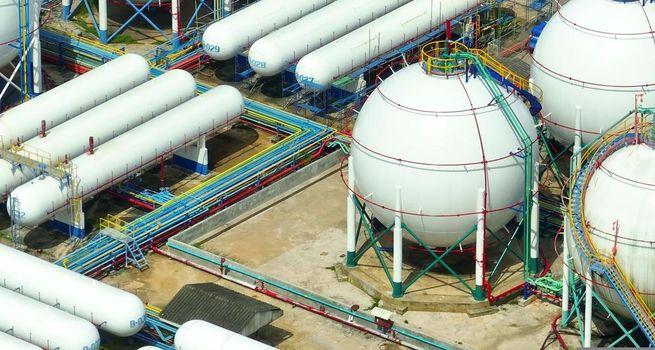
NexGen Energy Ltd (TSX:NXE) (NYSE:NXE) (ASX:NXG) has achieved a monumental regulatory milestone. The Canadian Nuclear Safety Commission (CNSC) has approved the Environmental Assessment and issued the Licence to Prepare Site and Construct for its flagship Rook I Uranium Project in Saskatchewan's Athabaska Basin. This is the final regulatory approval needed to commence full construction of what will become the world's largest single-source, environmentally elite uranium mining operation.
The approval arrives just 14 business days after the final two-part Commission Hearing concluded on February 12, 2026, following an exhaustive 12+ year regulatory and development process. With official construction set to commence in summer 2026, Rook I is positioned to fundamentally reshape the global uranium supply landscape and deliver substantial value to investors betting on the nuclear energy renaissance.
What Did NexGen Energy Announce Today?
On March 5, 2026, NexGen Energy announced that the Canadian Nuclear Safety Commission had approved its Environmental Assessment and granted the Licence to Prepare Site and Construct for the Rook I Uranium Project. This regulatory green light from Canada's federal nuclear regulator represents the culmination of years of rigorous environmental, engineering, and safety review.
The Critical Regulatory Achievement
Key details of this announcement:
- Final regulatory approval: This is the last major federal regulatory hurdle required before construction begins
- Approval timing: Issued just 14 business days after the February 12, 2026 conclusion of the final Commission Hearing
- Regulatory rigor: The CNSC review process represents one of the most stringent resource project regulatory frameworks globally
- Historical context: 12+ years of development, environmental assessment, engineering design, and stakeholder engagement preceded this approval
- Construction timeline: Official construction commencing summer 2026, with an estimated 4-year build phase
- Final Investment Decision: Already made and locked in, removing investment uncertainty
According to Leigh Curyer, Founder and CEO of NexGen Energy, this milestone represents validation of the company's technical approach and commitment to environmental stewardship. The approval confirms that Rook I meets the highest international standards for nuclear facility safety and environmental protection.
Provincial and Federal Alignment
NexGen Energy had already secured Environmental Assessment approval from the Province of Saskatchewan in November 2023. The federal CNSC approval now completes the two-pronged regulatory framework at both provincial and federal levels, providing complete regulatory certainty for project execution.
Rook I Uranium Project Overview
The Rook I Project stands as NexGen Energy's flagship asset and one of the most significant uranium development projects globally. Located in Saskatchewan's Athabasca Basin, this 100%-owned property represents a transformational opportunity for both the company and the uranium sector.
Project Scale and Production Capacity
Rook I will be distinguished by:
- Production capacity: Up to 30 million pounds of uranium annually at full production
- Global market share: Represents over 20% of current global uranium fuel supply
- Western market significance: Will account for over 50% of the western world's uranium supply
- Environmental distinction: Designed as the world's largest single-source, environmentally elite uranium mine
- Ownership: 100% owned by NexGen Energy (no dilutive joint ventures or partnerships required)
To contextualize these figures: global uranium production currently averages approximately 140 million pounds annually across all producers worldwide. A single NexGen facility producing 30 million pounds annually would be a production powerhouse, fundamentally altering supply dynamics.
Engineering and Technical Foundation
The Rook I project is built on solid technical foundations:
- Feasibility Study: NI 43-101 compliant resource estimate and engineering design
- Site location: Saskatchewan's Athabasca Basin, home to world-class uranium deposits
- Deposit quality: High-grade uranium deposit enabling economically efficient extraction
- Infrastructure: Proximity to existing transportation networks and power infrastructure
- Expertise: NexGen's experienced management team with deep uranium sector experience
The Athabasca Basin has historically been the world's premier uranium mining jurisdiction, responsible for producing some of the planet's highest-grade uranium deposits. Rook I builds on this legacy of geological excellence.
Environmental and Social Framework
A key differentiator for Rook I is its emphasis on environmental leadership:
- Environmental Assessment approval: Completed and approved by Saskatchewan (November 2023) and federal CNSC (March 2026)
- Low-impact design: Advanced technologies to minimize environmental footprint
- Water stewardship: Comprehensive water management protocols consistent with pristine northern ecosystem
- Indigenous engagement: Extensive consultation and partnership framework with Indigenous communities
- Sustainable mining practices: Design incorporates best-in-class environmental standards
Why Is NexGen Energy (NXE) Going Up?
The approval of Rook I's regulatory licensing represents multiple catalysts for NexGen Energy stock performance, addressing key investor concerns and unlocking substantial value. In a year, NXE share price has gained 150%, but remains 2.90% down at the time of writing on 6 March 2026.
Regulatory Risk Elimination
Before today's announcement: Investors faced regulatory uncertainty regarding CNSC approval. While many believed approval was likely, it remained a potential binary outcome. Now that this risk has been definitively resolved, a major overhang has been lifted.
Impact on investor sentiment:
- Removes the largest remaining regulatory uncertainty
- Validates company's environmental and technical approach
- Confirms legal right to proceed with construction
- Strengthens management credibility with institutional investors
Construction Commencement Timeline
Summer 2026 construction commencement marks a critical inflection point for the investment thesis:
- Capital deployment: Significant infrastructure spending beginning summer 2026, demonstrating management commitment
- Progress visibility: Quarterly updates will showcase physical project advancement
- Revenue trajectory: First production increasingly tangible with construction commencement
- Market timing: Uranium market fundamentals increasingly robust as nuclear energy demand rises globally
A four-year construction timeline means Rook I could reach production around 2030, aligning with projected peak uranium demand growth periods in the late 2020s and early 2030s.
Stock Catalyst Sequence
Investors should anticipate a series of value-unlocking catalysts:
- Immediate: Regulatory approval removes overhang (March 2026 - completed)
- Near-term: Construction commencement visibility and first major equipment orders (Summer 2026)
- Medium-term: Quarterly construction progress updates and additional equipment purchases (2027-2028)
- Pre-production: Mining commencement and initial ore processing (2029-2030)
- Production ramp: Increasing uranium output and first revenue recognition (2030-2032)
- Cash flow generation: Full production and significant free cash flow (2032+)
Each milestone represents potential share price appreciation as investors revise upward their discounted cash flow models incorporating de-risked construction progression and revenue certainty.
Uranium Market Outlook and Nuclear Energy Demand
NexGen Energy's Rook I development timing aligns with a compelling long-term thesis regarding global uranium demand and nuclear energy expansion.
Global Nuclear Energy Growth Drivers
Multiple factors are driving worldwide nuclear energy renaissance:
- Climate change imperatives: Nuclear power offers carbon-free baseload electricity, essential for decarbonization
- Electricity demand growth: AI data centers, EV charging networks, and industrial electrification driving electricity consumption higher
- Energy security: Nations prioritizing domestic energy independence post-pandemic supply chain disruptions
- Grid reliability: Nuclear baseload capacity increasingly valued as variable renewables (solar, wind) scale
- Government support: Policies favoring nuclear across US, Europe, Asia, and Canada
- Small modular reactors (SMRs): Emerging technology expanding nuclear's addressable market
Global Uranium Supply-Demand Dynamics
Current market structure favors supply expansion:
- Supply deficit: Global uranium demand currently exceeds primary production, requiring inventory drawdown and secondary supplies
- Production capacity lag: Existing uranium mines insufficient to meet forecasted 2030+ demand
- New production required: Industry estimates suggest 40+ million pounds of new annual capacity needed by 2030-2035
- Project pipeline: Limited number of advanced-stage projects (Rook I among them) able to meet this demand
- Price implication: Supply deficit likely to support elevated uranium prices, improving project economics
Demand Forecast Scenarios
Energy market research organizations project varying uranium demand trajectories:
- Conservative case: 170 million pounds annually by 2035 (slight increase from current levels)
- Base case: 190-210 million pounds annually by 2035 (30-50% increase)
- Bull case: 230+ million pounds annually by 2035 (65%+ increase, assumes accelerated nuclear adoption)
Rook I production of 30 million pounds annually becomes increasingly valuable as global uranium demand approaches and exceeds 200 million pounds, which is the consensus base case among energy analysts.
Geopolitical Supply Concentration Risk
Uranium supply concentration creates opportunity:
- Current supply: Kazakhstan produces ~40% of global uranium; Canada and Australia contribute significantly
- Geopolitical risk: Concentration of supply in politically sensitive regions (Kazakhstan, Russia historically)
- Western demand: US, Europe, and allied nations seeking diversified, politically stable supply sources
- Canada advantage: Stable democracy, established mining infrastructure, and strong regulatory framework
- NexGen positioning: Rook I offers secure, western-friendly, politically stable supply
This geopolitical dynamic has become increasingly important post-2022 supply chain disruptions and international tensions, favoring producers like NexGen offering supply from stable, democratic jurisdictions.
What's Next for NexGen Energy?
The regulatory approval of Rook I opens a clear, multi-year value creation roadmap for NexGen Energy.
Immediate Next Steps (Q2-Q3 2026)
In the near term, investors should monitor:
- Construction site preparation: Initial site mobilization and infrastructure development
- Equipment procurement: Major equipment orders and manufacturing contracts awarded
- Employment: Skilled labor hiring and contractor engagement
- Financing: Potential project financing arrangements to reduce corporate balance sheet impact
- Guidance: Company updates to quarterly earnings guidance and operational timelines
Medium-Term Execution (2027-2029)
During the construction phase, key milestones include:
- Major capital deployment: Significant annual spending on site development and mine construction
- Mining commencement: Transition from surface development to underground mining operations
- Milling facility completion: Processing facility construction and commissioning
- Regulatory licenses: Operational licenses and permits required for active mining operations
- Production ramp: Initial processing of ore and production of uranium concentrate
Pre-Production Phase (2029-2030)
Approaching production, the focus shifts to:
- Trial production: Initial ore processing at commissioning rates (typically 50-70% of nameplate capacity)
- Quality assurance: Validating product specifications and customer requirements
- Off-take agreements: Formalization of uranium sales contracts with utilities and other end-users
- Market positioning: Establishing sales relationships and supply chain partnerships
- Cash flow preparation: Moving toward self-funding operations through uranium sales revenue
Production Ramp (2030-2032)
Once operational, Rook I will:
- Ramp production: Gradual increase from trial production toward 30 million pounds annual capacity
- Generate revenue: First material revenue from uranium sales
- Improve margins: Operating leverage as production scales and fixed costs spread across higher volumes
- Enable dividends: Potential shareholder distributions as project achieves positive free cash flow
- Fund expansion: Potential reinvestment in additional uranium development or other value-accretive opportunities
Frequently Asked Questions About NexGen Energy and Rook I
What is NexGen Energy?
NexGen Energy Ltd is a Canadian uranium development company headquartered in Vancouver, BC, with operational offices in Saskatoon, Saskatchewan. The company is focused on advancing the Rook I Uranium Project in Saskatchewan's Athabasca Basin, one of the world's premier uranium mining jurisdictions.
What is the Rook I Project?
Rook I is a world-class, 100%-owned uranium development project located in Saskatchewan's Athabaska Basin. The project will produce up to 30 million pounds of uranium annually once operational, representing over 20% of current global uranium supply and over 50% of western world supply.
When did CNSC approve Rook I?
The Canadian Nuclear Safety Commission approved the Environmental Assessment and issued the Licence to Prepare Site and Construct on March 5, 2026, just 14 business days after the final Commission Hearing concluded on February 12, 2026.
When will Rook I begin construction?
Official construction is scheduled to commence in summer 2026, approximately four years before estimated production in 2030-2031.
When will Rook I begin uranium production?
Based on current timelines, Rook I is estimated to begin uranium production around 2030-2031, with full production ramping over subsequent years.
What is the production capacity of Rook I?
Rook I is designed to produce up to 30 million pounds of uranium concentrate annually at full production capacity.
How long has NexGen been developing Rook I?
NexGen has been developing Rook I for over 12 years, including extensive environmental assessment, engineering design, and regulatory engagement with federal and provincial authorities.
What major regulatory approvals has Rook I received?
Rook I has received Environmental Assessment approval from the Province of Saskatchewan (November 2023) and the Canadian Nuclear Safety Commission (March 2026), including the Licence to Prepare Site and Construct.
Is Rook I a greenfield or brownfield project?
Rook I is a greenfield uranium development project in a new mining area, not an expansion of existing operations. This greenfield development reflects the global need for new uranium production capacity.
Who is the CEO of NexGen Energy?
Leigh Curyer is the Founder and CEO of NexGen Energy Ltd. Curyer brings extensive experience in uranium sector development and operations.
What are NexGen Energy's stock tickers?
NexGen Energy trades on multiple exchanges:
- TSX: NXE (Toronto Stock Exchange)
- NYSE: NXE (New York Stock Exchange)
- ASX: NXG (Australian Securities Exchange)
Why is uranium supply important?
Global uranium supply is currently insufficient to meet demand, requiring inventory drawdown and creating a supply deficit projected to grow through the 2030s. New production capacity like Rook I is essential to meet growing nuclear energy demand.
What is driving uranium demand?
Key demand drivers include: climate change imperatives favoring carbon-free nuclear power; electricity demand growth from AI data centers, EV charging, and industrial electrification; energy security considerations; and increasing government support for nuclear energy.
Is nuclear energy environmentally friendly?
Nuclear energy produces carbon-free electricity, making it a critical technology for achieving net-zero emissions and addressing climate change. Nuclear power plants generate minimal greenhouse gas emissions over their lifecycle.
What is the difference between reactor-grade and mining-grade uranium?
Mining-grade uranium (uranium concentrate or "yellowcake") is the product from uranium mining operations like Rook I. This material is processed and enriched into reactor-grade fuel at specialized facilities before use in nuclear reactors.
How is uranium concentrate transported and stored?
Uranium concentrate is carefully managed under strict International Atomic Energy Agency (IAEA) protocols and Canadian regulations. Storage and transportation meet the highest safety and security standards.
Should I invest in NexGen Energy?
This article does not constitute financial advice. Investment suitability depends on your individual circumstances, risk tolerance, investment horizon, and financial goals. Consult with a qualified financial advisor before making investment decisions.
What risks should I consider?
Key investment risks include: construction execution risk, commodity price volatility, regulatory changes, competitive dynamics, market timing risk, and capital intensity. Thoroughly review all available information and risk disclosures before investing.


 Nov 12, 2026





 Please wait processing your request...