
 CA
 NZ
 UK
 US
 IND

 AU

 Share
 X (Formerly Twitter)
 Whatsapp
 Facebook
 LinkedIn
 Telegram
 Email This Article
 Copy Link
 Summarize with AI
 Chat GPT
 Perplexity
Understanding how energy companies make money is foundational to making informed investment decisions. While all energy companies ultimately deal in the production or distribution of energy resources, their business models differ in important ways that affect their risk profiles, margin structures, and sensitivity to external factors.
Upstream: Exploration and Production
Upstream companies like Woodside, Santos, Karoon, and Beach Energy generate revenue by extracting hydrocarbons from the ground and selling them on global commodity markets. Their business model involves three key phases: exploration (finding reserves), development (building the infrastructure to extract them), and production (operating the wells and facilities that bring oil and gas to the surface).
The economics of upstream energy are driven by the spread between the cost of production and the price at which the produced commodities can be sold. This spread, often measured as the operating margin per barrel, varies dramatically depending on the nature of the asset. Conventional onshore oil fields in established basins may have breakeven costs below US$30 per barrel, while deepwater offshore developments can require US$50 or more per barrel to be economically viable.
A critical concept for investors to understand is the reserves-to-production (R/P) ratio, which measures how many years a company's current proved reserves would last at current production rates. A declining R/P ratio can signal that a company is depleting its reserves faster than it is replacing them through exploration or acquisition, which has negative implications for long-term value.
Revenue recognition in the upstream model is relatively straightforward: companies sell produced crude oil, natural gas, condensate, and LNG at prevailing market prices, with some volumes sold under long-term contracts (particularly for LNG) and others on the spot market. The mix between contracted and spot sales affects revenue predictability and hedging requirements.
Midstream: Processing and Transport
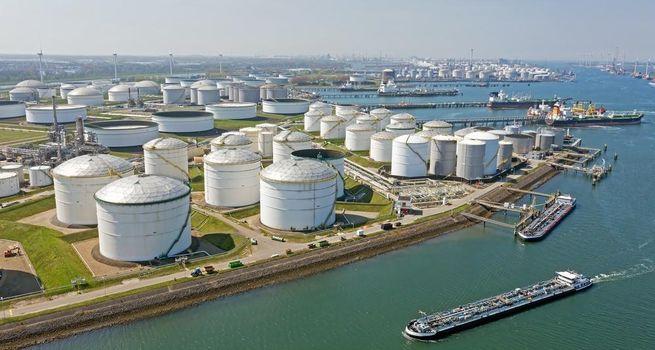
Midstream activities include the processing, transportation, and storage of energy commodities. In the ASX context, midstream operations are typically integrated within the larger upstream companies rather than standing alone. For example, Woodside's Pluto LNG facility is a midstream asset that processes natural gas into LNG for export, but it is owned and operated by Woodside as part of its integrated value chain.
The midstream component of the business model tends to have lower commodity price sensitivity than upstream production, as processing fees and transportation tariffs are often structured on a cost-plus or tolling basis. However, the utilisation rate of midstream assets is critical, and sustained periods of low production can make capital-intensive LNG trains and pipelines unprofitable.
Downstream: Refining and Retail
Downstream companies like Ampol and Viva Energy refine crude oil into finished products such as petrol, diesel, jet fuel, and lubricants, and then distribute and sell those products through retail networks and commercial channels. The downstream model is fundamentally different from upstream because profitability depends not on the absolute price of crude oil but on the refining margin, which is the difference between the cost of crude feedstock and the selling price of refined products.
Refining margins can be volatile but tend to follow different cycles from crude oil prices. In periods of strong economic growth and high transport fuel demand, refining margins typically expand, benefiting companies like Ampol. Conversely, economic downturns that reduce fuel consumption can compress refining margins regardless of where crude oil is trading.
The retail component of the downstream model adds a further layer of complexity. Fuel retail is a high-volume, low-margin business where competitive dynamics, location quality, and convenience retail offerings all influence profitability. Both Ampol and Viva Energy have been investing in their non-fuel retail capabilities, recognising that convenience store sales and services can provide higher margins than fuel sales alone.
Coal Mining
The coal mining business model is relatively straightforward compared to oil and gas. Companies extract coal from open-cut or underground mines, process it to meet quality specifications, and sell it to domestic and international customers. Revenue depends on coal prices, which are influenced by global supply and demand dynamics, the cost of alternative energy sources, and seasonal factors such as winter heating demand in the Northern Hemisphere.
Operating costs in coal mining include overburden removal, extraction, processing, rail transport to port, and port handling charges. The all-in cost per tonne of coal varies widely depending on mine location, geological conditions, and logistics infrastructure. Australian coal producers generally benefit from proximity to major Asian export markets, which reduces shipping costs relative to competitors in the Americas and Africa.
Uranium Mining
Uranium mining involves the extraction and processing of uranium ore into uranium oxide concentrate, commonly known as yellowcake. This product is then sold to nuclear fuel fabricators who process it into fuel assemblies for nuclear power plants. The uranium market is distinct from other commodity markets in that purchases are typically made under long-term contracts between miners and utilities, with pricing linked to both spot and term contract benchmarks.
The economics of uranium mining are characterised by high upfront capital costs for mine development, relatively low operating costs once a mine is in production, and long project timelines from discovery to first production. Regulatory and licensing requirements for uranium mining are more onerous than for most other minerals, reflecting the strategic and environmental sensitivities associated with nuclear fuel.


 Nov 12, 2026





 Please wait processing your request...