
 CA
 NZ
 UK
 US
 IND

 AU

 Share
 X (Formerly Twitter)
 Whatsapp
 Facebook
 LinkedIn
 Telegram
 Email This Article
 Copy Link
 Summarize with AI
 Chat GPT
 Perplexity

Highlights
- Drawdown management aims to limit portfolio losses during market downturns
- Diversification remains a primary tool to reduce downside risk
- Hedging strategies help offset losses in volatile environments
- Active portfolio rebalancing plays a key role in capital preservation
- Liquidity management enables funds to respond quickly during corrections
Drawdowns refer to the decline in portfolio value from a peak to a subsequent trough, often occurring during market corrections or periods of heightened volatility. For fund managers, managing drawdowns is not only about minimising losses but also about preserving capital to ensure long-term compounding. A lower drawdown typically allows portfolios to recover faster, reducing the time required to return to previous highs.
Why Drawdown Control Matters for Investors
Large drawdowns can significantly impact investor outcomes, particularly for those with shorter investment horizons or lower risk tolerance. A portfolio that falls 30% needs to gain over 40% to break even, highlighting the asymmetric nature of losses and gains. Effective drawdown management helps smooth returns, maintain investor confidence, and reduce the likelihood of panic-driven redemptions during downturns.
Diversification as a First Line of Defence
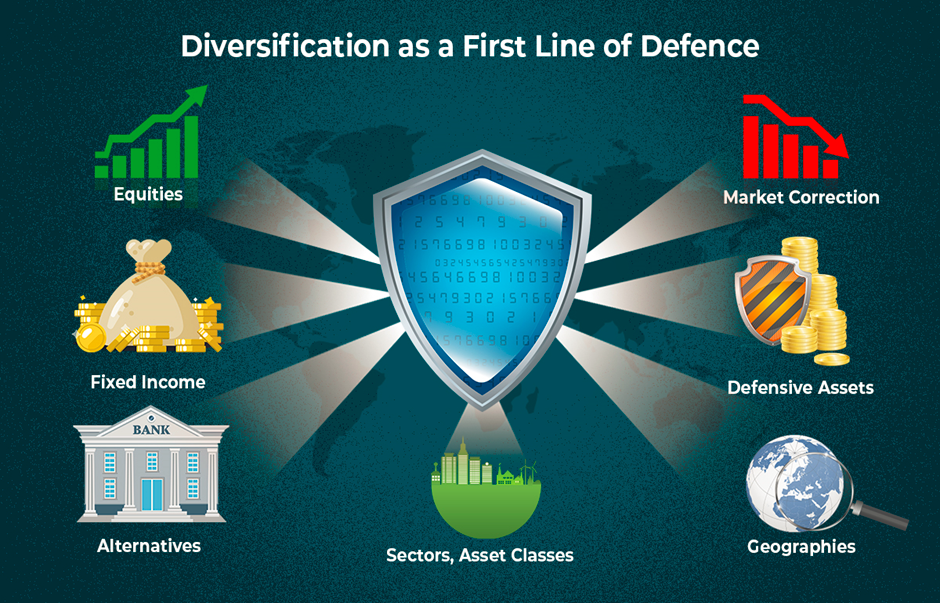
Image Source: © 2026 Krish Capital Pty. Ltd.
Diversification remains one of the most widely used strategies for managing drawdowns. By spreading investments across asset classes, sectors, and geographies, funds can reduce exposure to any single source of risk. For example, combining equities with fixed income or alternative assets can help offset losses during equity market corrections. Sector diversification also plays a role, as defensive sectors may outperform when cyclical segments weaken.
Hedging and Risk Mitigation Strategies
Funds often employ hedging techniques to protect against downside risk. This can include the use of derivatives such as options or futures to offset potential losses in underlying holdings. Currency hedging may also be used in global portfolios to reduce exposure to exchange rate volatility. While hedging can involve additional costs, it provides a layer of protection during periods of heightened uncertainty.
Active Rebalancing and Tactical Adjustments
Active management allows fund managers to adjust portfolio allocations in response to changing market conditions. During periods of elevated risk, managers may reduce exposure to higher-beta assets and increase allocations to more defensive positions. Rebalancing ensures that portfolios remain aligned with risk objectives and prevents unintended concentration in underperforming assets.
The Role of Liquidity in Downturns
Maintaining adequate liquidity is critical during market corrections. Liquid assets provide flexibility, enabling funds to meet redemption requests without forced selling of illiquid holdings at unfavourable prices. Liquidity also allows managers to take advantage of dislocations, deploying capital into assets that may be temporarily undervalued.
Balancing Risk and Return
While protecting capital is essential, excessive conservatism can limit upside potential. Effective drawdown management involves striking a balance between risk mitigation and return generation. Funds aim to participate in market gains while limiting downside exposure, ensuring a smoother return profile over time.
Conclusion
Drawdown management is a central component of fund management, particularly in volatile market environments. Through diversification, hedging, active rebalancing, and liquidity planning, funds seek to protect capital and maintain long-term performance. As market cycles evolve, disciplined risk management remains key to navigating corrections while preserving investor outcomes.


 Nov 12, 2026





 Please wait processing your request...