
 CA
 NZ
 UK
 US
 IND

 AU

 Share
 X (Formerly Twitter)
 Whatsapp
 Facebook
 LinkedIn
 Telegram
 Email This Article
 Copy Link
 Summarize with AI
 Chat GPT
 Perplexity
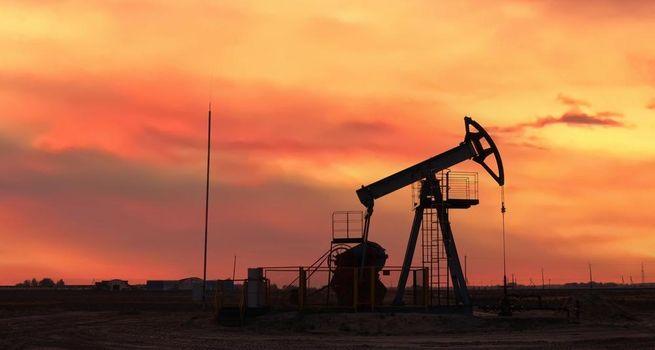
Terramin Australia Limited, trading under the ticker ASX: TZN on the Australian Securities Exchange, is a publicly-listed mineral exploration and development company with a rich history spanning over three decades. Incorporated in 1993 and headquartered in Strathalbyn, South Australia, Terramin has established itself as a significant player in the precious and base metals sector, focusing primarily on zinc, lead, gold, and copper exploration and development projects across Australia and North Africa.
The company's strategic geographic diversification reflects a sophisticated approach to managing exploration risk while capitalizing on prospective mineral-bearing regions. With operations across multiple jurisdictions, Terramin maintains exposure to both established mining regions within South Australia and emerging opportunities in North African markets, particularly Algeria. This geographical spread provides investors with exposure to different geological settings and risk-reward profiles, essential for any diversified minerals exploration portfolio.
As of March 2026, Terramin Australia's market capitalization stands at approximately 74.02 million AUD, with traded shares reflecting a current price of 0.028 AUD per share. The company's capitalization structure places it within the junior to mid-tier exploration company category, a segment characterized by higher growth potential but also elevated volatility and operational risks compared to major mining corporations. The share price of 0.028 AUD represents a significant decline from the 52-week high of 0.110 AUD, illustrating the sector-wide challenges and company-specific headwinds that junior mining companies face in the current economic environment.
Terramin's corporate structure and operational focus are centered on advancing exploration projects through various stages of development, from early-stage greenfield exploration to advanced development projects targeting mineral resource definition and eventual economic feasibility. The company's technical team comprises geologists, mining engineers, and industry specialists with extensive experience in mineral exploration and project evaluation. This technical depth is crucial for navigating the complex regulatory, geological, and financial challenges inherent in bringing mineral projects from exploration stage to production.
The company operates with a clear business model centered on creating shareholder value through the identification, acquisition, and development of prospective mineral projects. Terramin's management strategy involves maintaining a disciplined approach to capital expenditure, focusing resources on projects with the highest potential for success and positive economic returns. This disciplined approach is particularly important during periods of market volatility and uncertainty, where capital preservation becomes as important as capital growth.
Terramin's Flagship Tala Hamza Zinc Project: Development Stage and 49% Interest
The Tala Hamza zinc project represents Terramin Australia's most significant asset and primary development focus, with the company maintaining a 49% interest in what constitutes one of North Africa's most important undeveloped zinc deposits. Located in Algeria, the Tala Hamza project sits within a geologically prospective region known for zinc and lead mineralization, positioned to become a major contributor to global zinc supply if successfully developed and brought into production.
Tala Hamza is classified as an advanced exploration and development stage project, having undergone extensive geological investigation and resource estimation. The deposit represents a substantial zinc-lead opportunity with the potential to generate significant production volumes upon successful construction and commencement of operations. The project's resource base has been defined through conventional drilling and exploration techniques, providing a foundation for detailed engineering studies and economic assessments that are essential prerequisites for development decision-making.
Terramin's 49% ownership structure in Tala Hamza represents a substantial capital and operational commitment, though it also indicates a partnership approach with other stakeholders in the project. This ownership structure suggests that Terramin has secured exposure to a world-class deposit while potentially sharing development risk and capital requirements with co-investors or joint venture partners. Such arrangements are common in large-scale mineral development projects, where the capital intensity and technical complexity necessitate collaboration among multiple parties with complementary capabilities and resources.
The Tala Hamza project's development timeline and capital requirements represent critical considerations for investors evaluating Terramin's growth prospects. Large-scale mineral projects typically require substantial upfront capital investment for mine construction, infrastructure development, and working capital requirements. These capital needs can range from hundreds of millions to billions of Australian dollars, depending on the project's scale, location, technical complexity, and operational context. The timing of capital commitments and the availability of financing are crucial determinants of project development success and shareholder returns.
Zinc market fundamentals provide the economic backdrop for Tala Hamza's development case. Global zinc demand is driven by industrial applications including galvanizing, die-casting, brass manufacturing, and chemical production. Long-term zinc demand growth is supported by urbanization trends, infrastructure development in emerging markets, and the continuation of industrial production. The current zinc market price and production cost structure will ultimately determine whether Tala Hamza achieves economic viability, making commodity price forecasting a critical component of project valuation.
South Gawler Ranges Project: Exploration Potential and Strategic Positioning
Terramin Australia's South Gawler Ranges project represents an important component of the company's exploration portfolio, focusing on prospective mineral ground in South Australia's Gawler Ranges region. This project exemplifies the company's commitment to exploring emerging opportunities in established mineral provinces, where geological and metallurgical understanding can facilitate more efficient and cost-effective exploration programs.
The South Gawler Ranges project area covers prospective ground with potential for base and precious metals mineralization. South Australia has a long history of mineral production, including copper, zinc, and gold resources that have been developed into significant mining operations. The geological setting of the Gawler Ranges is characterized by complex igneous and metamorphic rock formations that have hosted economic mineral deposits in adjacent areas, providing geological justification for exploration activities within Terramin's exploration permits.
Exploration activities at South Gawler Ranges employ modern exploration techniques including detailed geological mapping, geochemical sampling, and potentially airborne geophysical surveys designed to identify subsurface mineralization. These activities are progressively focused to identify specific drill targets that justify the substantial capital investment required for core drilling programs. Successful exploration depends on combining geological knowledge, technical expertise, and favorable sampling results to define drill targets with sufficient geological confidence to warrant drilling investment.
The strategic value of the South Gawler Ranges project lies in its position within a known mineral province, reducing certain geological and commodity risk factors compared to greenfield exploration in unexplored terranes. However, such projects typically progress slower than greenfield discoveries in some jurisdictions, as the exploration landscape is more mature and historical data may constrain the potential for large undiscovered deposits. Nonetheless, systematic exploration can identify economic deposits, and successful programs often attract third-party interest and potential joint venture participation.
Terramin's management of the South Gawler Ranges project reflects the company's balanced approach to resource allocation, maintaining exposure to longer-term exploration potential while dedicating primary capital to more advanced stage projects. The flexibility to conduct exploration activities at variable intensity based on success and available capital allows the company to optimize its exploration portfolio. Success at South Gawler Ranges could provide additional development optionality and enhance long-term shareholder returns through either direct project development or through monetization via joint venture arrangements.
Kapunda In Situ Copper Recovery Project: Innovative Technology and Production Approach
The Kapunda In Situ Copper Recovery project represents an innovative and potentially transformative component of Terramin's project portfolio, employing advanced technology to recover copper resources from existing deposit areas without conventional mining operations. Located in South Australia near established copper mining infrastructure, the Kapunda project demonstrates Terramin's commitment to exploring non-conventional approaches to mineral resource extraction and development.
In situ leaching technology, particularly as applied to copper recovery, represents an alternative extraction methodology that offers potential advantages over conventional underground or open pit mining. The fundamental principle involves injecting lixiviant solutions into mineralized ground to dissolve copper-bearing minerals, with the resulting leach solution being recovered and processed to produce copper products. This approach can potentially offer lower capital intensity, reduced environmental footprint, and faster development timelines compared to conventional mining operations, though technical challenges and site-specific factors ultimately determine viability.
The Kapunda project's location within an established mining district provides potential advantages including existing infrastructure, established local community relationships, and accessible regulatory frameworks. South Australia has long experience with copper mining and related operations, with existing knowledge of geological conditions, mining regulations, and operational considerations that can facilitate more efficient project development. The proximity to existing mining infrastructure could potentially allow Kapunda to leverage existing processing and handling facilities, reducing capital requirements and development timelines.
Technical evaluation of in situ copper recovery requires comprehensive assessment of deposit geology, hydrogeological conditions, mineralization characteristics, and environmental factors. The success of in situ leaching operations depends critically on geological parameters including mineralization geometry, rock permeability, and hydrogeological conditions that facilitate solution movement through the ore body. Pilot programs and feasibility studies are essential to validate technical assumptions and generate the engineering data necessary for development decision-making.
The Kapunda project's development potential is tied to copper market fundamentals, which have displayed considerable strength in recent years driven by global electrification trends, renewable energy infrastructure development, and ongoing industrial demand. Copper's essential role in electrical applications, renewable energy systems, and industrial processes ensures sustained long-term demand growth. If the Kapunda project successfully demonstrates technical viability and economic attractiveness, it could represent a significant production asset with favorable operational characteristics. The project exemplifies how Terramin maintains a portfolio of opportunities across conventional and innovative development approaches.
Angas Zinc Mine: Historical Assets and Remediation Considerations
The Angas Zinc Mine represents a historical asset within Terramin's portfolio, a former operating mine in South Australia that provided significant zinc production during its operational period. The mine's status within Terramin's current asset portfolio reflects the complex relationship between historical mining operations and contemporary regulatory, environmental, and economic considerations that influence how mining companies manage closed or dormant assets.
Historical mining operations frequently leave behind environmental legacies that must be managed responsibly to meet regulatory requirements and community expectations. Mine closure and remediation is a critical phase in the mining operation lifecycle, involving activities such as pit backfilling, water management, acid mine drainage treatment, and long-term environmental monitoring. These activities can extend many years or decades beyond the cessation of mining operations and represent significant ongoing costs for mining companies holding responsibility for mine sites.
Terramin's management of the Angas Zinc Mine asset reflects industry best practices in mine closure and environmental stewardship. The company maintains regulatory compliance with applicable environmental and mining legislation, coordinates with relevant regulatory agencies, and implements engineering solutions to manage environmental risks associated with historical mining. This responsible approach protects both the environment and the company's long-term reputation and stakeholder relationships.
From an asset valuation perspective, historical mining sites like Angas represent contingent liabilities that must be considered in comprehensive company valuations and financial analysis. Environmental remediation costs, ongoing monitoring expenses, and potential regulatory compliance requirements all impact the net value that these assets represent. However, closed mines can sometimes represent future resource opportunities if geological, technological, or market circumstances change favorably, allowing for potential re-evaluation of economic viability.
Terramin's stewardship of the Angas Zinc Mine demonstrates the company's commitment to responsible mining practices and environmental management. Modern mining companies recognize that sustainable operations require comprehensive planning for the post-mining phase of the operation lifecycle. By managing historical assets responsibly, Terramin protects its operating licenses, maintains community relationships, and preserves optionality for potential future development if circumstances warrant renewed activity. This responsible asset management approach is an often-overlooked but critically important component of long-term shareholder value creation in the minerals industry.
Bird in Hand Gold Project: Precious Metals Exploration and Development Strategy
The Bird in Hand Gold project constitutes Terramin's primary precious metals exploration and development initiative, focused on gold mineralization within South Australia. This project diversifies the company's commodity exposure beyond base metals, providing exposure to gold market dynamics and the distinct exploration and development characteristics specific to gold deposits. Gold exploration and development represents a different risk-reward profile compared to base metals, with important implications for project evaluation and portfolio management.
Gold exploration in South Australia occurs within a geological setting favorable for gold mineralization, with the state having a documented history of gold production and known mineral deposits. The Barossa and other South Australian goldfields have demonstrated significant gold production potential, providing geological precedent for economic gold deposits within the regions where Terramin holds exploration permits. The Bird in Hand project builds on this established geological understanding to target specific mineralization styles and deposit types known to host economic gold resources.
Gold project development and economic attractiveness are fundamentally distinct from base metals development in several important respects. Gold's high intrinsic value per unit mass means that even modest tonnage deposits can potentially achieve economic viability, allowing smaller-scale mining operations to function profitably. This characteristic of gold economics differs significantly from base metals like zinc and copper, which typically require larger production volumes to achieve economic returns due to lower per-unit values. This distinction has important implications for project development timelines, capital requirements, and potential returns profiles.
The Bird in Hand project's advancement through the exploration and development pipeline follows standard industry protocols involving detailed geological investigation, resource estimation, and feasibility assessment. Success in gold exploration depends on identifying geological controls on mineralization, interpreting exploration data to define drill targets, and ultimately discovering mineral resources of sufficient quality and quantity to justify development. The project represents an important diversification component within Terramin's portfolio strategy, reducing commodity price risk exposure by maintaining exposure to both base metals and precious metals markets.
Gold market fundamentals provide important context for evaluating the Bird in Hand project's long-term potential. Gold demand is driven by jewelry manufacturing, industrial applications, investment demand, and central bank purchases. Gold's role as a store of value and portfolio diversification asset ensures sustained long-term demand, though short-term gold prices can display significant volatility in response to macroeconomic conditions, currency movements, and investor sentiment. The Bird in Hand project's success could provide Terramin with a second major production asset, substantially diversifying cash flow sources and reducing commodity price sensitivity to any single metal price.
Current Stock Price Performance: 0.028 AUD and 52-Week Trading Range Analysis
Terramin Australia's current share price of 0.028 AUD per share represents a substantial decline from the 52-week high of 0.110 AUD, reflecting significant capital erosion for investors who purchased shares at higher valuations during the past year. This dramatic price decline illustrates the substantial volatility and risks inherent in junior exploration company investments, where share prices can respond dramatically to exploration results, commodity price movements, financing developments, and broader market sentiment toward the mining sector.
The 52-week trading range of 0.033 AUD to 0.110 AUD provides important context for understanding Terramin's recent share price performance. The current price of 0.028 AUD is notably below the 52-week low of 0.033 AUD, indicating that the share price has declined even further from its recent trading levels. This development suggests that market conditions have deteriorated further subsequent to the most recent 52-week trading data, or that company-specific factors have triggered additional share price pressure. Such sustained price weakness typically indicates either negative market sentiment toward the company or broader industry challenges affecting junior mining equities.
The substantial gap between the 52-week high and low suggests that Terramin's share price has experienced pronounced volatility and directional change during the recent 12-month period. This magnitude of price movement is not unusual for junior exploration companies, which experience greater share price sensitivity to exploration results, commodity price changes, and investor sentiment shifts compared to major mining corporations with established producing operations. Understanding this volatility pattern is essential for investors evaluating whether the stock's risk profile aligns with their investment objectives and risk tolerance.
Share price performance for junior exploration companies is influenced by multiple factors including exploration success, commodity price trends, equity capital market conditions, macroeconomic conditions, and changes in investor appetite for exploration company equities. During periods of weak exploration results or challenging commodity markets, junior mining stocks typically underperform significantly, reflecting the market's reassessment of project values and company development prospects. Understanding these performance drivers is essential for investors seeking to evaluate whether current valuations represent attractive opportunities or justify continued caution.
The current share price of 0.028 AUD implies a market valuation that appears to heavily discount Terramin's asset base, including the significant Tala Hamza zinc project and other development opportunities. This apparent discount suggests that market participants are pricing in substantial development risks, delays, or challenges that might impede the company's ability to convert its exploration assets into producing operations and positive cash flows. Investors evaluating Terramin at current price levels must carefully assess whether the market's risk discount is appropriate or whether opportunities exist for attractive returns if the company successfully advances its development projects.
Market Capitalization and Valuation Metrics: 74.02M AUD Overview
Terramin Australia's market capitalization of approximately 74.02 million AUD reflects the total market value assigned by investors to the company's equity securities. This valuation metric is calculated by multiplying the current share price of 0.028 AUD by the total number of outstanding shares, yielding a valuation that positions Terramin firmly within the junior exploration company category. Understanding market capitalization and the company's position within the junior mining sector provides important context for evaluating the company's competitive position, capital raising capacity, and potential returns profile.
At 74.02 million AUD market capitalization, Terramin represents a small to mid-sized player within the Australian mining exploration sector, significantly smaller than major mining corporations but larger than earliest-stage exploration companies. This size positioning creates both advantages and disadvantages for shareholders. The company retains access to equity capital markets, ability to attract professional management and technical talent, and sufficient scale to manage multiple projects simultaneously. However, it is not large enough to internally fund major development projects, creating dependency on external capital sources and susceptibility to capital market conditions.
The market capitalization valuation framework requires consideration of what assets are being valued. For exploration and development companies like Terramin, market capitalization reflects investor assessments of the present value of future cash flows and returns from the company's exploration and development projects. This differs from valuations for producing mining companies, where current cash generation and reserve values provide more tangible assets supporting valuations. For Terramin, the bulk of market value derives from expectations regarding successful development of Tala Hamza, Bird in Hand, Kapunda, and other projects.
Comparison of Terramin's market capitalization to other Australian exploration companies and international junior mining companies provides perspective on relative valuation. Companies with similar asset bases, development stage projects, and geographic diversification have experienced substantial variations in market valuations depending on exploration success, commodity price environments, and general investor sentiment toward the mining sector. Such comparisons must account for differences in project quality, technical risk, and management capability, but they provide useful context for evaluating whether Terramin's 74.02 million AUD valuation is attractive, fair, or expensive relative to peer group comparisons.
The market capitalization also determines Terramin's ability to raise equity capital for project development and general corporate purposes. At 74.02 million AUD market capitalization, the company operates within a scale that provides adequate liquidity for raising capital, though major capital requirements for large-scale mine development would likely necessitate multiple funding rounds and potentially substantial dilution to existing shareholders. Capital raising strategies for mining companies at this valuation level typically involve a combination of equity placements, rights offerings, and potential strategic partnerships or joint ventures with larger mining companies or financial institutions.
Volatility Analysis: 25% Volatility and Weekly 16% Fluctuations
Terramin Australia exhibits significant share price volatility, with current annualized volatility of 25% and weekly volatility of 16%, reflecting substantial share price fluctuations and elevated risk characteristics typical of junior exploration company equities. This volatility profile has important implications for risk assessment, position sizing, and investor suitability considerations. Understanding volatility is essential for investors evaluating whether Terramin's risk-return characteristics align with their investment objectives and risk tolerance thresholds.
Annualized volatility of 25% indicates that, based on historical price movements, Terramin's share price experiences substantial swings on a regular basis. In statistical terms, approximately 68% of price movements fall within plus or minus 25% on an annualized basis, meaning investors can expect share price movements of that magnitude reasonably regularly. This level of volatility is significantly higher than broader Australian equity market volatility, typically ranging from 10-15% annualized, and substantially higher than major mining company volatility. The elevated volatility reflects both company-specific factors and the general characteristics of junior exploration equities as an asset class.
Weekly volatility of 16% represents even more dramatic short-term price swings, with the potential for week-to-week share price movements of that magnitude occurring routinely. Such elevated short-term volatility creates challenges for position management, requires active monitoring, and can generate significant unrealized gains or losses within short timeframes. For investors with shorter time horizons or limited risk tolerance, such weekly volatility may create discomfort and potentially poor decision-making driven by short-term price movements rather than fundamental asset value assessments.
Multiple factors contribute to Terramin's elevated volatility profile. Junior exploration companies experience greater share price sensitivity to exploration results, which are inherently uncertain and can surprise markets either positively or negatively. Commodity price volatility, particularly for zinc and copper, directly impacts market valuations of zinc and copper-focused exploration companies. Changes in broader capital market conditions and investor risk appetite have amplified impacts on junior mining stocks, which are particularly sensitive to changes in financing conditions and investor sentiment toward exploration companies. Management announcements, strategic changes, or operational developments can also trigger significant share price responses.
For investors considering Terramin investment, the 25% annualized and 16% weekly volatility metrics should be primary risk considerations. These volatility levels are appropriate only for investors with sufficient risk capital, appropriate time horizons, and emotional discipline to withstand substantial share price fluctuations without making panic-driven or revenge-motivated investment decisions. Conversely, investors with lower risk tolerance or shorter investment horizons should carefully evaluate whether Terramin's volatility profile makes it an inappropriate investment for their circumstances. Professional investors may view elevated volatility as creating opportunity for active management and tactical trading strategies, though this requires sophisticated analysis and management discipline.
Negative Earnings Per Share and Profitability Challenges
Terramin Australia's earnings per share of -0.00 (rounded to zero, but effectively negative) reflects the company's current status as a non-profitable entity, consistent with its classification as an exploration and development company. This negative profitability is expected and typical for companies in the exploration phase, where capital investment in exploration and development activities exceeds any revenue generation. Understanding the nature of negative earnings for exploration companies is essential for properly evaluating financial performance and investment merit.
For exploration and development stage companies like Terramin, negative earnings are the expected outcome because these companies invest substantial capital in exploration activities, development programs, and administrative overhead without generating offsetting revenue from mining operations. Companies like Terramin do not generate meaningful revenue until they transition to mining production, which requires successful exploration, resource estimation, feasibility assessment, permitting, financing, construction, and final commencement of operations. This development timeline typically spans many years or even decades, during which the company will generate negative earnings.
Conventional earnings metrics like earnings per share, price-to-earnings ratios, and earnings growth rates are therefore inappropriate evaluation tools for exploration stage companies like Terramin. Investors evaluating Terramin should instead focus on metrics more relevant to exploration companies, including cash burn rate, cash position, exploration expenditure efficiency, and progress toward key development milestones. These alternative metrics provide more meaningful insights into the company's financial health, development trajectory, and likely investment returns for shareholders.
Terramin's cash position and funding requirements are critical considerations given the company's negative earnings and ongoing operational needs. Exploration companies must maintain sufficient cash reserves to fund operational activities, exploration programs, and administrative costs. When cash reserves diminish, companies must raise additional capital through equity offerings, debt arrangements, or other financing mechanisms. The ability and terms on which companies can raise capital depend on market conditions, investor sentiment, and confidence in management and project prospects. Periods of capital market stress or negative investor sentiment toward mining can create financing challenges and potential shareholder dilution through forced capital raises at depressed valuations.
The company's path to profitability depends entirely on successful development of its exploration projects into producing mining operations. This development pathway requires overcoming multiple technical, regulatory, environmental, and financial hurdles. Success is not guaranteed, and many exploration companies fail to develop their projects into profitable operations, resulting in shareholder capital loss. However, for investors with appropriate risk tolerance and sufficient capital to hold positions through development cycles, successful exploration company investments can generate substantial returns as projects transition from exploration to production phases. Understanding this risk-return dynamic is essential for making informed Terramin investment decisions.
Year-to-Date Performance: -9.68% Change and Recent Market Dynamics
Terramin Australia's year-to-date share price change of -9.68% reflects modest negative performance during the recent period, indicating that the stock has declined in value but not dramatically compared to the broader 52-week performance decline. This year-to-date performance suggests that while the stock has experienced recent weakness, the most severe share price declines occurred earlier in the 52-week period. Understanding the timing and magnitude of recent share price performance provides context for evaluating current market sentiment toward Terramin and the likely drivers of recent price movements.
The -9.68% year-to-date decline, occurring over approximately three months (January through March 2026), implies a relatively modest negative return during this period. Annualizing this rate would suggest approximately -39% annual performance if maintained throughout the year, but the magnitude of recent declines may not be sustainable or indicative of likely future performance. Recent market dynamics appear to have created modest headwinds for Terramin, though not at the severity experienced during the earlier portion of the 52-week period when the stock declined from 0.110 AUD to current levels.
Factors contributing to Terramin's recent negative performance likely include broader market conditions affecting junior mining stocks, commodity price trends for zinc and copper, and potentially company-specific developments including exploration results, financing announcements, or changes in management or strategic direction. The relative modesty of the recent decline compared to earlier 52-week performance suggests that the company may have stabilized following earlier period challenges, or that current market conditions, while not favorable, are less adverse than conditions experienced earlier in the year.
Investor positioning and sentiment toward Terramin during 2026 have likely shifted in response to several potential factors. Zinc and copper price trends directly impact valuations of base metals exploration companies, with price weakness during 2025-2026 potentially creating headwinds for Terramin's equity valuation. Capital market conditions, including equity market performance and investor risk appetite, influence the attractiveness of exploration company investments. Progress or setbacks on Terramin's key projects, including Tala Hamza development and other initiatives, would significantly impact investor sentiment and share price performance.
The -9.68% year-to-date performance places Terramin in the middle range of junior mining stock performance during the recent period. Some junior miners have experienced more severe declines, while others have appreciated during similar periods. This mixed sector performance reflects heterogeneous investor assessment of company-specific fundamentals, with some junior explorers viewed more favorably than others based on asset quality, management capability, capital structure, and development prospects. Terramin's modest recent decline may indicate that investor sentiment toward the company remains cautious but not severely negative, creating potential opportunity if near-term conditions improve or if the company achieves positive developments that rebuild investor confidence.
Technical Analysis Indicator: Strong Sell Signal and Trading Implications
The technical analysis indicator for Terramin Australia registers a Strong Sell signal, indicating that technical analysts employing quantitative analysis of price and volume patterns view the stock unfavorably from a short-term trading perspective. Technical analysis employs price charts, trading volume patterns, moving averages, and mathematical indicators to forecast likely short-term price movements without relying on fundamental asset analysis. A Strong Sell signal suggests that multiple technical indicators are aligned toward continued share price weakness, creating unfavorable risk-reward characteristics from a near-term trading perspective.
Strong Sell technical signals are generated when multiple technical indicators simultaneously suggest downward price momentum, breakdown through significant support levels, or other patterns historically associated with further share price decline. Common technical indicators contributing to such assessments include moving average crossovers, relative strength index readings, MACD indicators, and volume patterns. When these indicators align in bearish configurations, technical analysts conclude that the probability of short-term share price appreciation is limited and the probability of continued decline is elevated.
For short-term traders and investors with active trading strategies, the Strong Sell signal carries significant implications. Traders employing technical analysis typically respond to Strong Sell signals by reducing exposure, exiting positions, or establishing short positions betting on continued share price weakness. This trader response can become self-fulfilling as selling pressure increases following the emergence of Strong Sell signals. However, technical analysis has notable limitations, particularly during periods of significant fundamental change or when sentiment shifts rapidly occur. The Strong Sell signal reflects recent price patterns but may not account for fundamental developments that could alter the underlying investment case.
For longer-term fundamental investors evaluating Terramin based on asset quality, project development potential, and commodity market prospects, the Strong Sell technical signal may be less relevant to investment decision-making. Long-term value investors often view Strong Sell technical signals as potential contrarian opportunities, particularly if they believe the fundamental investment case remains sound and near-term technical weakness has created attractive entry points. However, this contrarian approach requires confidence that the underlying assets justify current valuations and that near-term technical weakness will eventually resolve into share price appreciation.
The Strong Sell technical signal on Terramin reflects recent price weakness and suggests that the share price may face near-term headwinds. Investors should interpret this signal in context of their investment time horizon, strategy, and confidence in the company's long-term prospects. Short-term traders should likely respect the Strong Sell signal and avoid initiating new long positions. Long-term investors must make their own assessments regarding whether current valuations reflect genuine fundamental weakness or represent technical overshoots creating future opportunity. The Strong Sell signal is a data point for consideration but should not be the sole determinant of investment decision-making for fundamental value investors.
Risk Assessment and Investment Considerations for TZN Investors
Investing in Terramin Australia presents multiple risk dimensions that investors must carefully evaluate before committing capital. As a junior exploration company developing mineral projects across multiple geographies and commodities, Terramin is exposed to geological risk, commodity price risk, development execution risk, capital availability risk, regulatory risk, and multiple other factors that could impair shareholder returns or result in partial or complete capital loss. Understanding these risk dimensions is essential for appropriate position sizing and investor suitability evaluation.
Geological risk represents a fundamental characteristic of mineral exploration companies. Despite professional geological evaluation and detailed exploration programs, the ultimate success of exploration in discovering economic mineral deposits cannot be guaranteed. Exploration programs may fail to define sufficient mineralization to justify development, or deposits may be discovered but prove uneconomical once detailed feasibility assessment reveals inadequate ore grades, high stripping ratios, or other unfavorable parameters. Geological risk is particularly relevant for Terramin's South Gawler Ranges and other early-stage exploration projects, where the existence and economic viability of mineral deposits remain uncertain.
Commodity price risk directly impacts the economic viability of Terramin's development projects. Zinc, copper, lead, and gold prices are determined by global supply-demand dynamics and are subject to significant price volatility. Major mineral price declines could render currently marginal projects uneconomic, forcing Terramin to impair asset values or abandon development plans. Conversely, major commodity price increases could substantially improve project economics and shareholder returns. Investors must evaluate the commodity price assumptions underlying current project valuations and assess their own views regarding likely future price environments.
Development execution risk encompasses the numerous technical, operational, and financial challenges inherent in bringing exploration projects toward production. Major mining projects are capital-intensive, technically complex, and subject to multiple regulatory and environmental approval processes. Delays in permitting, cost overruns in construction, technical challenges during mine ramp-up, or other development challenges could materially impair project economics or prevent projects from achieving planned production levels and costs. Terramin's track record in project development and quality of management capabilities are important considerations for evaluating development execution risk.
Capital availability risk reflects the reality that Terramin's future development prospects depend on access to substantial external capital, which is not guaranteed particularly during periods of capital market stress or negative investor sentiment toward mining companies. The company's ability to raise development capital at acceptable terms depends on market conditions, project economics, and investor confidence in management. Financing challenges or unfavorable capital raise terms could delay projects, force adoption of partnerships, or create significant shareholder dilution. Maintaining adequate cash reserves and preserving access to capital markets are critical considerations for Terramin's success.
Regulatory and environmental risk dimensions are also material for Terramin, particularly regarding the Tala Hamza project in Algeria and other international operations. Changes in mining regulations, environmental standards, or political conditions could impair project viability. Environmental remediation obligations at the Angas mine and other historical operations represent ongoing liabilities. Community opposition to mining projects, particularly in developing regions, could create project delays or development challenges. Investors should evaluate both the regulatory environments of Terramin's operating jurisdictions and the company's relationships with relevant communities and stakeholders.
Commodity Market Outlook: Zinc, Copper, Lead, and Gold Price Forecasts
Terramin Australia's investment prospects are fundamentally linked to the long-term outlook for zinc, copper, lead, and gold prices, the primary commodities associated with the company's development projects. Understanding commodity market fundamentals, supply-demand dynamics, and price forecasts is essential for evaluating the likely profitability of Terramin's development projects and the company's ultimate value creation potential for shareholders. Commodity market assessments should consider both long-term structural trends and medium-term cyclical dynamics.
Zinc market fundamentals reflect multiple supporting factors for medium to long-term price sustainability. Global zinc demand is driven by galvanizing applications (approximately 50% of consumption), which protect steel from corrosion and are essential for infrastructure, construction, and industrial applications. Zinc also serves critical roles in die-casting, brass manufacturing, and chemical production. Long-term zinc demand growth is supported by urbanization trends in emerging markets, continued infrastructure investment, and industrial production. Zinc supply constraints from mine closures and production challenges in recent years have created supply tightness, supporting price floors. Current zinc prices near recent lows create potential for recovery if supply-demand balance tightens further.
Copper market dynamics are similarly supportive of long-term price sustainability, with global copper demand increasingly driven by electrification and renewable energy infrastructure. Copper's essential role in electrical applications, renewable energy systems (solar panels, wind turbines), electric vehicles, and energy storage creates strong structural demand growth. Copper supply remains constrained by limited new mine development and resource nationalism in key producing countries. Long-term copper price forecasts typically assume sustained elevated prices as electrification and renewable energy development accelerate globally. Current copper prices have shown resilience despite economic headwinds, suggesting underlying demand strength.
Lead markets are more mature than zinc and copper, with demand relatively stagnant in developed markets as automotive battery applications transition from lead-acid to lithium-ion technology. However, lead-acid batteries remain important in developing markets, and lead-based applications in construction, munitions, and other industrial sectors maintain baseline demand. Lead as a byproduct of zinc mining provides supply not controlled by lead-specific production decisions. Lead prices typically track with broader base metals prices while displaying somewhat lower growth dynamics than zinc or copper.
Gold markets reflect distinct dynamics compared to base metals, with demand driven by jewelry (approximately 50%), investment demand, industrial applications, and central bank purchases. Gold prices demonstrate inverse correlation with real interest rates and the US dollar, creating different demand drivers than industrial metals. Long-term gold demand is expected to remain solid supported by ongoing jewelry demand, investment demand during periods of uncertainty, and sustained central bank demand. Gold prices are currently elevated relative to historical averages, reflecting safe-haven demand and investor concerns about currency depreciation and inflation.
For Terramin, commodity price forecasts have direct implications for project economics. Major commodity price declines from current levels could render projects marginal or uneconomic. Moderate commodity price increases would substantially improve project economics and shareholder return potential. Investors evaluating Terramin should develop their own commodity price assumptions and assess how sensitive project returns are to various price scenarios. Commodity price forecasting is inherently uncertain, but understanding structural supply-demand dynamics provides a framework for developing reasonable long-term price expectations that can inform investment decisions.
Investment Strategy and Portfolio Positioning for TZN Shareholders
Investors evaluating Terramin Australia as a potential investment must develop a coherent investment strategy that aligns Terramin positioning with their overall portfolio objectives, risk tolerance, time horizon, and financial circumstances. Terramin is not appropriate for all investors, and proper position sizing and strategic context are essential for successful investment outcomes. The following framework provides guidance for investors considering Terramin participation.
Risk tolerance assessment should be the initial consideration. Terramin's volatility profile, negative earnings, and development stage classification make the stock appropriate only for investors with substantial risk capital, adequate emergency reserves, and psychological capacity to withstand significant share price fluctuations without panic selling. Conservative investors with limited risk tolerance should avoid Terramin entirely. Moderate investors should limit Terramin to a small portfolio position (less than 5% of total portfolio value) that they can afford to lose without material financial impact. Growth-oriented investors with higher risk tolerance can justify larger positions if they possess conviction regarding the company's development prospects.
Time horizon considerations are critical for Terramin investment success. The company's path to profitability and dividend generation is measured in years or decades, not months or quarters. Investors with short-term return expectations or capital need timelines within 2-3 years should avoid Terramin and favor more stable, established companies generating current cash flow. Investors with 5-10 year or longer time horizons are better positioned to benefit from Terramin's development trajectory, as they can allow investments to mature through development phases. Alignment of investment holding period with project development timelines is essential for successful mineral exploration investing.
Diversification principles suggest that Terramin should represent only a portion of an investor's overall mining and materials exposure. Even within junior mining company investing, diversification across multiple companies, geographies, and commodity focuses reduces concentrated risk. Investors should balance Terramin positions with exposure to larger mining companies with established production and cash flow, infrastructure companies benefiting from resource development, and diversified equity exposure providing overall portfolio stability. Proper diversification reduces the likelihood that a single company's poor performance destroys overall investment returns.
Active monitoring and engagement are important for Terramin shareholders. Regular review of company announcements, quarterly reports, exploration results, and management commentary helps investors remain informed regarding project progress and any material developments. Engagement with company management through shareholder meetings or investor communication helps investors understand management capabilities and strategic direction. Active shareholders are better positioned to make timely decisions regarding position adjustments or exits if circumstances warrant changes.
Exit planning is essential for all speculative investments including Terramin. Investors should establish clear criteria triggering position reduction or exit, including specific commodity price levels, exploration results that disappoint, or changes in fundamental circumstances. Setting predetermined exit points reduces the likelihood of emotionally-driven decisions and helps protect capital if circumstances deteriorate. Conversely, investors should establish criteria triggering position additions if the investment thesis strengthens and prices remain attractive. Disciplined investment approach with predetermined decision rules improves investment outcomes compared to reactive decision-making driven by price movements or emotional responses to news.
2026 Outlook and Future Development Milestones for Terramin Australia
Looking toward 2026 and beyond, Terramin Australia's investment case will be shaped by progress on key development milestones, commodity market evolution, capital markets conditions, and management execution on the company's strategic initiatives. Understanding likely catalysts and development pathways provides investors with a framework for anticipating potential share price drivers and evaluating whether current valuations represent attractive or expensive entry points. The company faces critical milestones that will significantly influence long-term shareholder returns.
The Tala Hamza zinc project represents the primary catalyst for Terramin's long-term value creation, and advancement of this project through the development pipeline is essential for substantial shareholder returns. Key milestones for Tala Hamza likely include completion of detailed feasibility studies, securing development financing commitments, obtaining regulatory approvals from Algerian authorities, and ultimately development decision and construction commencement. The timing and successful achievement of these milestones will significantly influence Terramin's valuation trajectory. Delays or challenges in any of these areas would negatively impact the investment case, while successful achievement of milestones would likely drive substantial share price appreciation.
Capital raising activities are likely to be a significant feature of Terramin's 2026 activities, as the company will require substantial external financing to fund exploration programs and project development initiatives. The terms on which the company can raise capital depend on market conditions, investor sentiment toward mining companies, and demonstrated progress on key projects. Successful capital raises at reasonable terms would support project advancement and limit shareholder dilution. Conversely, difficult capital markets or poor execution of capital raises could force the company to accept unfavorable terms or seek strategic partnerships that dilute shareholder interests. Monitoring of capital raising activities and terms is essential for investors.
Commodity price developments will significantly influence Terramin's valuation trajectory. Zinc price strength during 2026 would substantially improve Tala Hamza project economics, potentially triggering development decisions and accelerating project advancement. Conversely, sustained zinc price weakness would impair project economics and potentially delay development timelines. Copper and gold price trends would similarly influence the economic viability of Kapunda and Bird in Hand projects. Investors should monitor commodity prices closely and assess how price changes would likely influence Terramin's valuation and strategic options.
Management execution and strategic decision-making will also influence 2026 outcomes for Terramin. Strategic decisions regarding project prioritization, capital allocation, potential partnership or joint venture arrangements, and operational efficiency all impact shareholder outcomes. Management turnover, departures of key personnel, or strategic shifts could materially alter the investment case. Investors should maintain awareness of management composition and strategic direction, adjusting investment positioning if they perceive deterioration in management quality or strategy.
Longer-term outlook for Terramin (beyond 2026) depends on successful transition from exploration company to production-stage mining company. If Tala Hamza and other major projects successfully transition to production, Terramin could become a cash-generating mining company with substantial dividend potential. However, this outcome is far from guaranteed and requires successful navigation of numerous technical, financial, and regulatory challenges. The multiyear development timelines and substantial capital requirements mean that Terramin's ultimate success remains uncertain. Nevertheless, for investors with appropriate risk tolerance and long-term time horizons, Terramin represents a potential optionality on global zinc and copper markets, with significant upside potential if development plans proceed successfully.
Disclaimer: This article is for informational and educational purposes only and does not constitute financial advice. The author is not a licensed financial advisor. Investors should conduct their own due diligence and consult with a qualified financial professional before making any investment decisions. Past performance is not indicative of future results. All investments carry risk, including the potential loss of principal.


 Sep 18, 2026





 Please wait processing your request...